Why Do You Need Balancing Valves in Your HVAC System?
Balancing Valves play a crucial role in HVAC systems. Their importance cannot be overstated. They help ensure that air and water flow are evenly distributed throughout the system. This balance leads to improved efficiency and comfort.
Without balancing valves, some areas of a building may receive too much heating or cooling. Others may suffer from insufficient temperature control. These discrepancies can create discomfort for occupants. Additionally, it can lead to increased energy consumption. Inconsistent flow can cause wear and tear on the system, leading to costly repairs.
Understanding the need for balancing valves requires an appreciation of HVAC systems. Regular maintenance and proper installation are key. Many people overlook this essential component. The result? A less efficient system, higher utility bills, and a less comfortable living environment. Investing in balancing valves is wise for any building owner or manager. They provide reliable performance and enhance the overall effectiveness of HVAC systems.
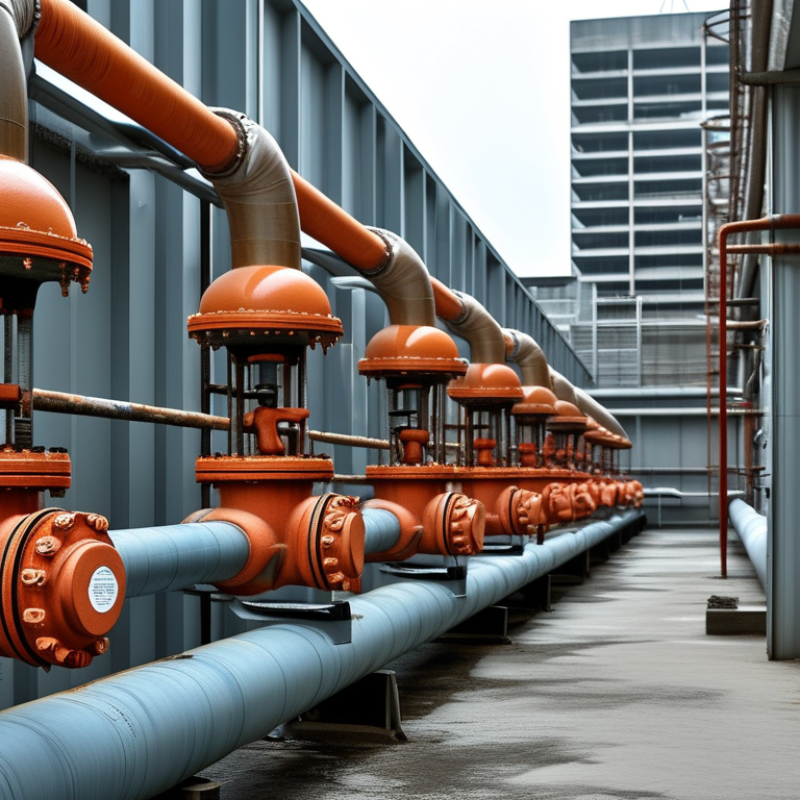
Understanding the Importance of Balancing Valves in HVAC Systems
Balancing valves play a crucial role in HVAC systems. These components help regulate water flow through heating and cooling systems. Proper flow balance ensures consistent temperatures across spaces, enhancing comfort. Studies show that effective balancing can improve system efficiency by up to 20%. This reduction can significantly lower energy consumption and costs.
In many cases, HVAC systems face challenges with uneven heating or cooling. This often results from imbalanced flow rates. According to a report by the American Society of Heating, Refrigerating and Air-Conditioning Engineers (ASHRAE), around 30% of energy in HVAC systems is wasted due to improper balancing. Installing balancing valves mitigates this issue, leading to better performance and lower maintenance costs.
Failed attempts to balance a system can lead to increased wear on components. Damage to pumps and valves can occur if systems operate beyond design parameters. Real-world data suggests that operations without balancing valves may experience a 15-30% drop in overall performance. HVAC professionals emphasize that investing in balancing valves is not just about compliance; it’s about enhancing the reliability and efficiency of the entire system.
Why Do You Need Balancing Valves in Your HVAC System?
| Feature | Importance | Benefits |
| Flow Regulation | Ensures proper distribution of air and water | Enhances energy efficiency and comfort |
| Pressure Balancing | Maintains consistent pressure throughout the system | Reduces wear and tear on equipment |
| System Efficiency | Improves overall system performance | Lower operating costs and energy consumption |
| Temperature Control | Facilitates precise temperature regulation | Increases occupant comfort and satisfaction |
| Noise Reduction | Minimizes noise from air and fluid movement | Creates a quieter living and working environment |
How Balancing Valves Improve Energy Efficiency in HVAC Systems
Balancing valves play a crucial role in enhancing the energy efficiency of HVAC systems. They ensure that the flow of water in heating and cooling systems is evenly distributed. According to a report by the U.S. Department of Energy, properly balanced systems can reduce energy consumption by up to 30%. This can lead to significant cost savings for building owners over time.
When HVAC systems are imbalanced, some areas receive too much or too little heating or cooling. This inefficiency can lead to increased energy expenditure. An ASHRAE study indicated that imbalanced systems could waste as much as 20% of energy. Balancing valves address this issue by adjusting flow rates in real-time, resulting in consistent temperatures across spaces.
Moreover, many facilities experience fluctuating demand, making proper balancing essential. A well-designed system can adapt to changes without sacrificing efficiency. However, improper installation of balancing valves can lead to new challenges. Regular monitoring and adjustments are necessary to maintain performance. Engaging qualified professionals for installation and maintenance can help ensure optimal operation.
The Role of Balancing Valves in Maintaining Consistent Airflow
Balancing valves play a crucial role in HVAC systems by ensuring consistent airflow throughout a building. According to the American Society of Heating, Refrigerating and Air-Conditioning Engineers (ASHRAE), improperly balanced systems can lead to up to a 30% increase in energy consumption. This inefficiency occurs when certain areas receive too much or too little air, prompting discomfort and driving up costs.
Balancing valves regulate the flow of air and water in the system. By adjusting the pressure in key locations, they ensure that every zone receives appropriate airflow. A study from the U.S. Department of Energy highlights that optimizing airflow can improve HVAC efficiency by at least 15%. However, without proper installation and regular maintenance, these valves can malfunction. Sometimes, technicians overlook their importance, leading to system imbalances and increased energy waste.
In addition, maintaining balancing valves requires ongoing attention. Dust buildup or corrosion may hinder their functionality. Regular inspections are essential. A survey by the National Renewable Energy Laboratory found that only 40% of facilities regularly check their balancing systems. This gap indicates the need for increased awareness and diligence in keeping HVAC systems efficient and cost-effective. Consistency in airflow is not just ideal; it is necessary for operational efficiency.
Common Problems Caused by the Absence of Balancing Valves
Balancing valves play a crucial role in HVAC systems. Without them, several issues can arise. One common problem is uneven temperature distribution. When air or water flow is not balanced, some areas might be too hot while others remain cold. According to a report by the American Society of Heating, Refrigerating and Air-Conditioning Engineers (ASHRAE), improper balancing can lead to a 30% drop in system efficiency.
Another significant issue is increased energy consumption. In fact, the Department of Energy estimates that unbalanced systems can waste up to 20% of energy. This inefficiency not only raises utility bills but also contributes to higher carbon footprints. In recent years, many commercial buildings have reported that lack of balancing valves directly correlates with higher operating costs.
Furthermore, inconsistent airflow can lead to equipment strain. When valves are absent, components like pumps and fans may work harder to maintain desired conditions. This can result in premature equipment failures. A study showed that 50% of HVAC system problems are linked to poor airflow management. Addressing valve balance is not a luxury; it’s essential for reliability and performance in modern HVAC systems.
Best Practices for Installing and Maintaining Balancing Valves in HVAC
Balancing valves play a crucial role in optimizing HVAC systems. They ensure that each part of the system receives the correct flow rate of water. This balance leads to improved energy efficiency and comfort levels. Proper installation and maintenance of these valves are key to their effectiveness.
When installing balancing valves, it's essential to consider their location. Place them close to the area they serve to minimize pressure drops. Check that the piping is properly sized to avoid unnecessary strain on the system. Regularly inspect the valves for any signs of wear or leaks. Ignoring these checks can lead to significant issues down the road.
Maintaining balancing valves requires attention to detail. Ensure that the valves are easily accessible for adjustments. It’s often helpful to maintain a log of flow rates and pressure measurements. This data can help identify trends indicating potential problems. Be aware that neglecting valve maintenance may cause uneven heating and cooling, undermining system performance. Balancing valves should not be an afterthought; they are key components that require ongoing care and monitoring.
Importance of Balancing Valves in HVAC Systems
The chart below illustrates the common benefits of balancing valves in HVAC systems based on real-world application surveys. These benefits enhance system performance and efficiency.