Planet
Top 10 Benefits of Building a Concrete Home Today?
Building a concrete home has become increasingly popular. This trend reflects a desire for durability and sustainability. Many homeowners are realizing the various benefits that come with concrete structures.
A concrete home offers unparalleled strength and resilience. It withstands harsh weather conditions better than traditional houses. Additionally, concrete is fire-resistant, adding a layer of safety. The energy efficiency of a concrete home is another significant advantage. It provides better insulation, reducing heating and cooling costs.
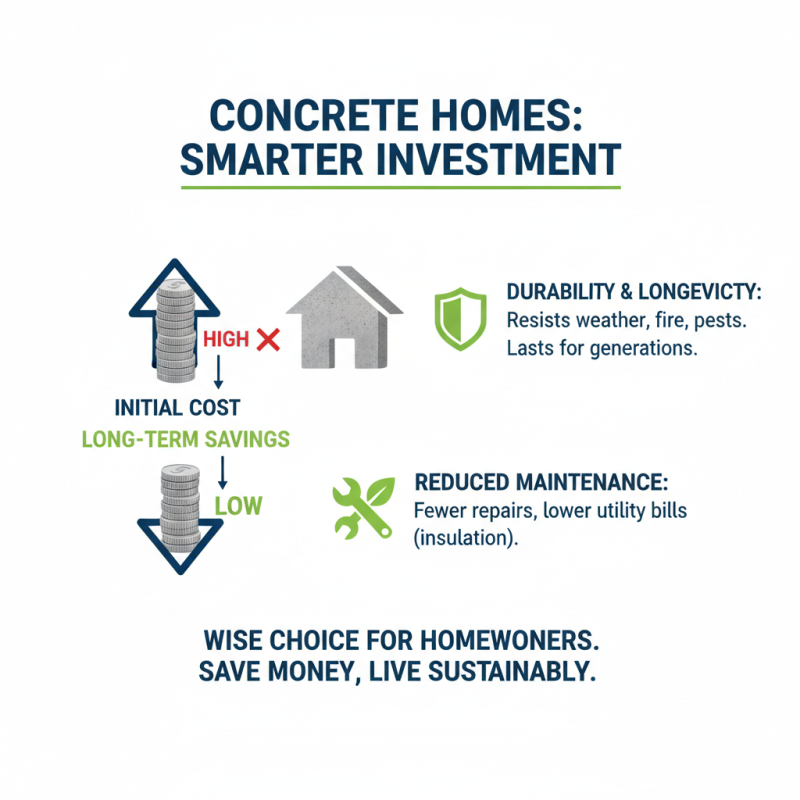
However, it is essential to consider the challenges as well. The initial cost might be higher compared to other materials. Many still question the aesthetic appeal of concrete homes. Yet, with modern designs, these homes can be stylish and inviting. As more people explore the option of concrete, it's clear that the benefits outweigh the drawbacks.
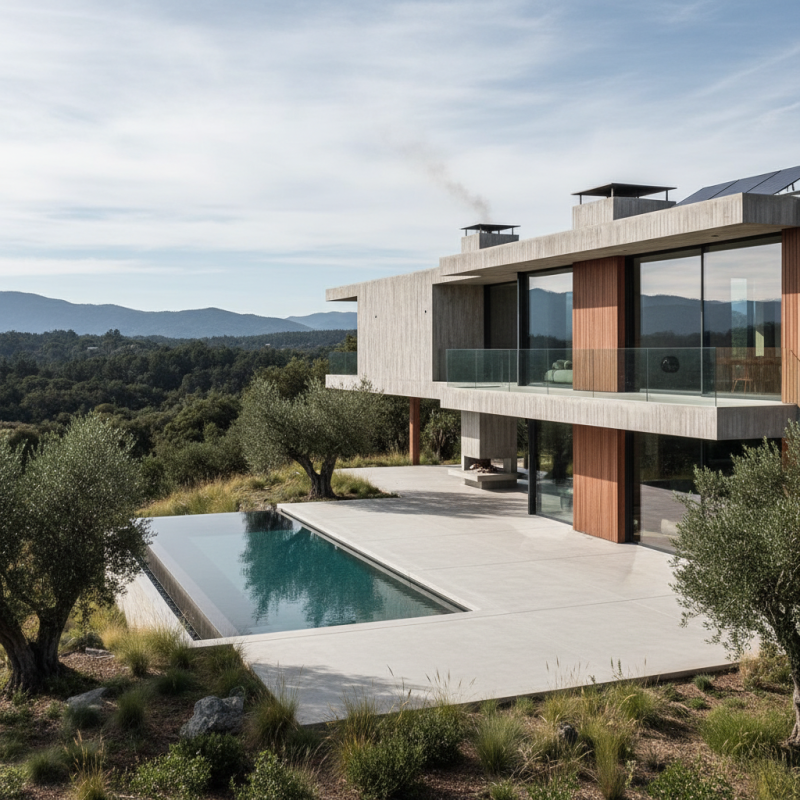
Advantages of Durability and Longevity in Concrete Homes
Concrete homes offer remarkable durability and longevity. These structures can withstand harsh weather conditions. Heavy rain, strong winds, and even fire are less damaging to concrete houses. Over time, this resistance translates to lower maintenance costs. You can spend more on enjoying your home and less on repairs.
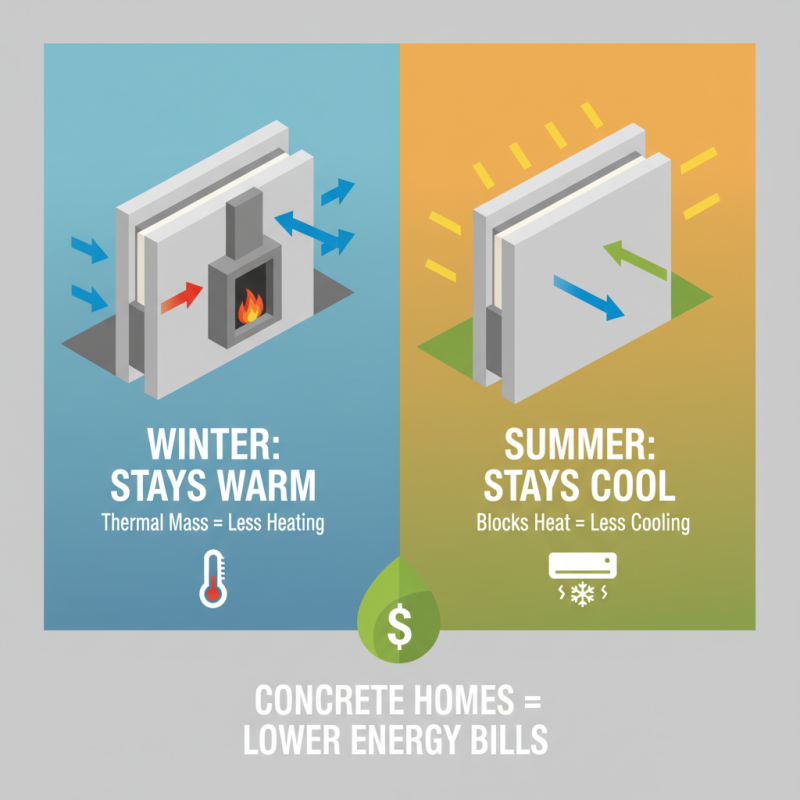
Consider energy efficiency. Concrete has excellent insulating properties. It helps maintain consistent indoor temperatures, reducing your energy bills. For families, this means comfort during extreme weather. Tips: Insulate your concrete walls for even better results. Use energy-efficient windows to complement your home's durability.
Another aspect is pest resistance. Unlike wood, concrete does not attract termites or rodents. This natural barrier can save homeowners from expensive pest control services. However, water drainage is crucial. Concrete can crack if water collects around it. Regular inspections help identify potential issues before they escalate.
Top 10 Benefits of Building a Concrete Home Today
| Benefit | Description | Impact |
|---|---|---|
| Durability | Concrete homes can withstand severe weather, including hurricanes and earthquakes. | Reduced repair costs and enhanced safety. |
| Energy Efficiency | Excellent thermal mass keeps homes cooler in summer and warmer in winter. | Lower energy bills for homeowners. |
| Fire Resistance | Concrete does not burn, providing added safety against fire hazards. | Increased insurance savings and peace of mind. |
| Pest Resistance | Concrete systems are less attractive to pests like termites and rodents. | Lower maintenance and extermination costs. |
| Low Maintenance | Requires less upkeep compared to traditional wood-framed homes. | More time and cost savings for homeowners. |
| Sound Insulation | Concrete provides better soundproofing compared to other materials. | A more peaceful living environment. |
| Sustainability | Concrete can be made from recycled materials, contributing to sustainability. | Positive environmental impact. |
| Aesthetic Flexibility | Can be molded into various shapes and textures for design versatility. | Enhanced property value and personal satisfaction. |
| Increased Resale Value | Concrete homes often appreciate at a higher rate than traditional homes. | Higher return on investment for homeowners. |
| Tax Benefits | Potential tax deductions related to energy efficiency upgrades. | Financial savings and incentives for homeowners. |
Related Posts
-
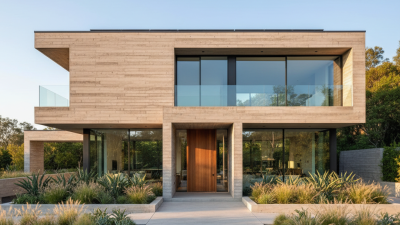
How to Build a Concrete Home for Durability and Style?
-
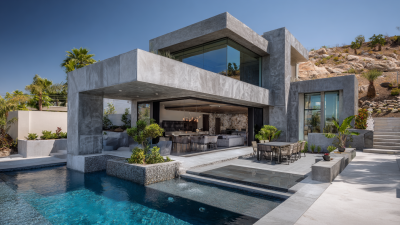
Exploring the Durability of Concrete Houses: Why 70% of Homeowners Prefer This Modern Build
-
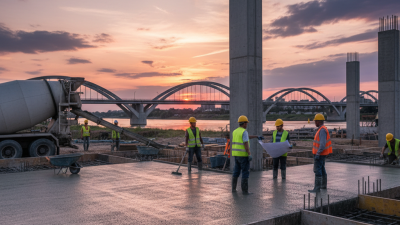
What is Standard Concrete? Key Properties and Uses Explained
-

What is Cement Tech and How It Revolutionizes the Construction Industry
-
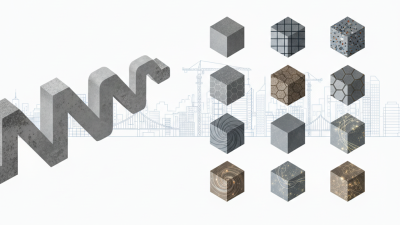
Top 10 Standard Concrete Types for Construction Projects You Should Know
-
How to Choose the Right American Concrete for Your Project?