Top Benefits of Using Masonry Concrete for Your Construction Projects
Masonry concrete has emerged as a pivotal material in modern construction projects, offering a blend of durability, aesthetic appeal, and energy efficiency. According to a report by the World Green Building Council, buildings constructed with masonry materials can reduce energy consumption by up to 40% compared to traditional frame constructions. This substantial decrease in energy use not only contributes to lower utility bills for homeowners but also aligns with the global push towards sustainable building practices.
Furthermore, a study conducted by the National Concrete Masonry Association indicates that masonry concrete structures are highly resilient, capable of withstanding severe weather conditions and contributing to safety during natural disasters. This resilience is further supported by the material’s excellent fire resistance properties, settling its reputation as a reliable choice for both commercial and residential buildings. As the construction industry increasingly prioritizes safety and sustainability, understanding the benefits of masonry concrete becomes essential for architects, builders, and developers seeking to enhance their projects with high-performance materials.
Benefits of Masonry Concrete in Construction Durability and Strength
Masonry concrete is celebrated for its exceptional durability and strength, making it an ideal choice for various construction projects. One of the primary advantages of masonry concrete is its resilience to harsh weather conditions, including extreme temperatures, moisture, and wind. This durability ensures that structures can withstand the test of time, reducing the need for frequent repairs and maintenance, leading to long-term cost savings for builders and investors alike.
Moreover, masonry concrete offers impressive compressive strength, allowing it to support significant loads, which is essential for high-rise buildings and heavy commercial structures. The ability to bear weight without succumbing to stress underscores the material's structural integrity, providing peace of mind in safety and reliability. Alongside these qualities, masonry concrete exhibits fire resistance, which enhances safety in residential and commercial constructions. This combination of strength and durability makes masonry concrete a preferred material in modern construction, ensuring that projects not only meet but exceed industry standards for longevity and safety.
Top Benefits of Using Masonry Concrete for Your Construction Projects
Cost-Effectiveness of Masonry Concrete in Construction Projects
Masonry concrete has become an increasingly popular choice for construction projects, primarily due to its cost-effectiveness. One of the most significant advantages is its durability, which translates into lower maintenance costs over time. Buildings constructed with masonry concrete can withstand harsh weather conditions and resist wear and tear, reducing the need for frequent repairs and replacements. This long-term savings make it an attractive option for both commercial and residential construction.
When planning a construction project with masonry concrete, consider these tips to maximize your cost-effectiveness. First, opt for recycled materials when possible; using reclaimed bricks or concrete can significantly lower material costs and add character to your project. Second, ensure proper insulation is done to improve energy efficiency. This will not only reduce energy bills but also enhance the longevity of the structure. Lastly, hire experienced masons who can minimize waste during construction, further reducing costs associated with over-ordering materials.
The initial investment in masonry concrete may be higher than other materials, but its longevity and minimal upkeep make it a wise financial decision in the long run. By prioritizing efficiency and durability, construction projects can effectively harness the economic benefits of masonry concrete while delivering quality results.
Energy Efficiency Advantages of Using Masonry Concrete
Masonry concrete is increasingly recognized for its energy efficiency benefits, making it a preferred choice for modern construction projects. One of the key advantages of masonry concrete is its high thermal mass. This property allows the material to absorb and store heat during the day and release it when temperatures drop at night. As a result, buildings constructed with masonry concrete can maintain stable indoor temperatures, reducing reliance on heating and cooling systems. This leads to significant energy savings and lower utility bills, which is particularly beneficial in regions with extreme weather fluctuations.
Moreover, masonry concrete structures often have superior insulation properties compared to traditional building materials. The dense composition of masonry concrete not only provides strength and durability but also enhances energy efficiency by minimizing heat transfer. Properly insulated masonry walls can help reduce energy consumption for heating and cooling by creating a more controlled environment. This efficiency translates into a smaller carbon footprint, contributing to a more sustainable approach to construction. Ultimately, choosing masonry concrete aligns with both economic and environmental goals, making it an attractive option for energy-conscious builders and homeowners alike.
Top Benefits of Using Masonry Concrete for Your Construction Projects - Energy Efficiency Advantages of Using Masonry Concrete
| Benefit |
Description |
Energy Efficiency Impact |
Estimated Savings (%) |
| Thermal Insulation |
Masonry concrete provides excellent thermal mass, reducing energy needed for heating and cooling. |
High |
20-30% |
| Durability |
Masonry is resistant to weather extremes, reducing the need for frequent repairs. |
Medium |
10-15% |
| Fire Resistance |
Masonry can withstand high temperatures, adding to the safety and longevity of the structure. |
Low |
0-5% |
| Sound Insulation |
Masonry effectively blocks external noise, ensuring a quieter indoor environment. |
High |
15-25% |
| Sustainable Materials |
Utilizing locally-sourced materials reduces the carbon footprint of construction projects. |
Medium |
10-20% |
Aesthetic Versatility: Design Opportunities with Masonry Concrete
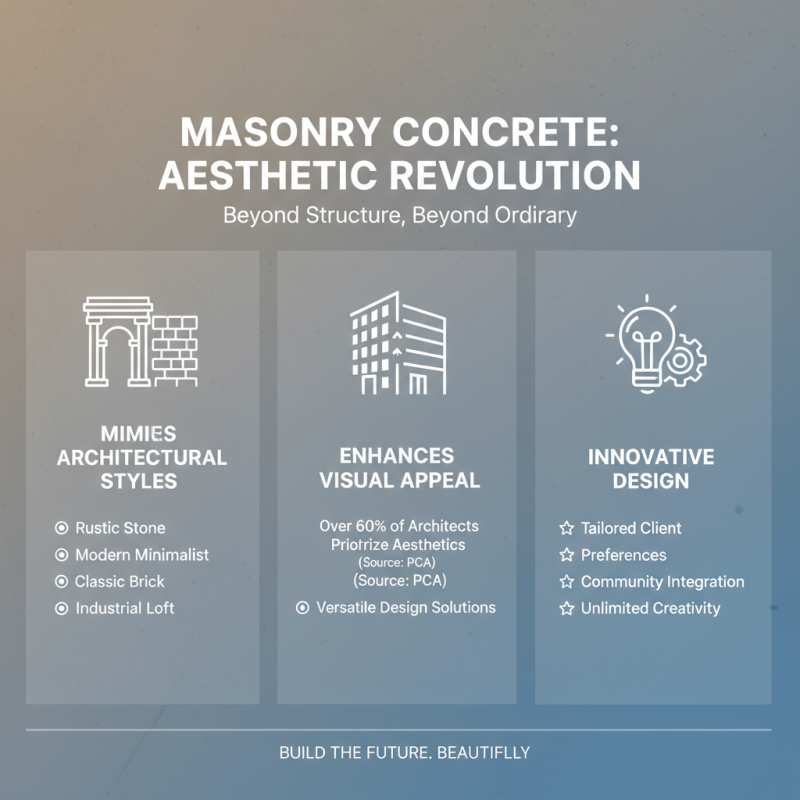
Masonry concrete has revolutionized the construction industry not only for its structural benefits but also for its incredible aesthetic versatility. One of the critical aspects of masonry concrete is its ability to mimic various architectural styles—from rustic to modern and everything in between. According to a report from the Portland Cement Association, masonry concrete can significantly enhance the visual appeal of a building, with over 60% of surveyed architects emphasizing the importance of material aesthetics in their design choices. This versatility allows for innovative design solutions that can cater to diverse client preferences and community standards.
Moreover, masonry concrete is available in a range of textures, colors, and finishes, which opens up a plethora of design opportunities. The American Concrete Institute states that the latest advancements in concrete technology enable the creation of customized forms and surfaces that can resemble stone, brick, or even wood. Notably, the emergence of integrally colored concrete and stain technologies allows architects and builders to implement tailored designs without compromising durability. This, in turn, offers a competitive edge in the marketplace, as unique and attractive facades can significantly increase a property’s value and appeal.
Environmental Sustainability of Masonry Concrete in Building Practices
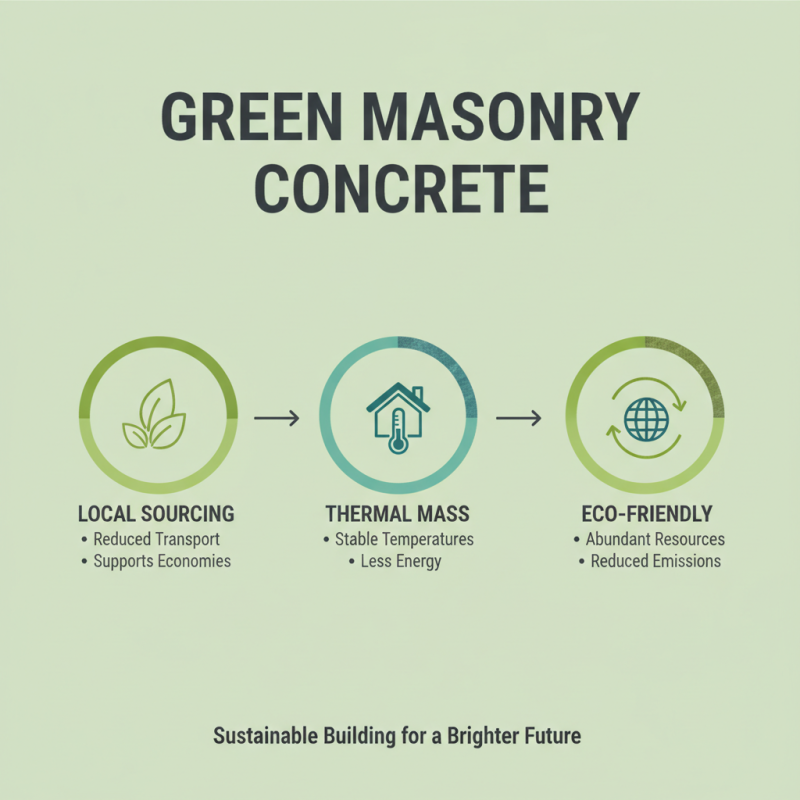
Masonry concrete stands out as an environmentally sustainable option in modern building practices, reflecting a growing awareness of eco-friendly construction materials. Its production typically involves abundant natural resources like sand, gravel, and cement, which are often sourced locally. This reduces transportation emissions and supports local economies. Furthermore, masonry concrete has excellent thermal mass properties, allowing buildings to maintain stable indoor temperatures, thus reducing the need for artificial heating and cooling systems. This not only cuts energy consumption but also minimizes the environmental impact associated with fossil fuel use.
Moreover, masonry concrete structures are designed to be durable and long-lasting, which further contributes to their sustainability. With proper maintenance, these buildings can have a lifespan of several decades, reducing the frequency of rebuilds and resource consumption over time. Additionally, masonry concrete is inherently resistant to pests and offers excellent fire resistance, leading to fewer repairs and enhancing safety. When it eventually reaches the end of its lifecycle, masonry can often be recycled or repurposed, thus minimizing waste and promoting a circular approach to construction. This alignment with sustainable practices makes masonry concrete an excellent choice for environmentally conscious building projects.