Top 10 Benefits of Using Mixed Cement for Your Construction Projects
In recent years, the construction industry has witnessed a transformative shift towards the utilization of mixed cement, which seamlessly blends different types of cement to enhance structural integrity and performance. Renowned civil engineer, Dr. Emily Carter, emphasizes the importance of this innovative approach, stating,
"The adoption of mixed cement not only optimizes the durability of structures but also significantly reduces environmental impact."
As sustainable practices become increasingly critical in construction, understanding the advantages of mixed cement is essential for both builders and architects.
Mixed cement offers a myriad of benefits that extend beyond mere monetary savings. For instance, its customizability allows construction professionals to tailor the cement mix for specific project requirements, leading to improved strength and workability. Furthermore, mixed cement contributes to the longevity of buildings, promoting sustainability in an era where environmental concerns are at the forefront of industry discussions.
This article delves into the top 10 benefits of using mixed cement, shedding light on why it has become a preferred choice for modern construction projects in 2025 and beyond.
Advantages of Enhanced Durability with Mixed Cement in Construction
The use of mixed cement has significantly transformed the construction industry, primarily due to its enhanced durability. Research from the American Concrete Institute indicates that mixed cement can improve the lifespan of structures by up to 30%. This durable material combines various types of cement and additives, yielding a concrete mixture with superior resistance to elements such as moisture, freeze-thaw cycles, and abrasion. Consequently, structures like bridges and highways experience fewer cracks and require less frequent maintenance, drastically reducing long-term costs.
When integrating mixed cement into your projects, it’s essential to remember that proper mixing is crucial for maximizing durability. A well-graded aggregate and the correct water-cement ratio help achieve optimal strength. Here’s a tip: always test your mixed cement samples in controlled conditions before large-scale application to ensure the desired performance and durability under expected stressors.
Additionally, utilizing mixed cement can lead to more sustainable construction practices. According to the World Business Council for Sustainable Development (WBCSD), using alternative materials in cement production can reduce carbon emissions by up to 40%. Being mindful of these environmental impacts not only enhances the durability of your structures but also aligns with the growing demand for sustainable building solutions. Make every effort to source materials that contribute to a smaller carbon footprint while still delivering top-notch performance.
Top 10 Benefits of Using Mixed Cement for Your Construction Projects
This chart illustrates the top 10 benefits of using mixed cement in construction projects, rated on a scale from 1 to 10. Enhanced durability and increased strength are among the highest-rated benefits, showcasing the significant advantages of mixed cement.
Cost-Effectiveness of Utilizing Mixed Cement for Diverse Projects
Utilizing mixed cement in construction projects offers significant cost-effectiveness and enhances project efficiency. As the global mixed cement market is projected to grow from $382.7 billion in 2025 to $500.6 billion by 2032, with a compound annual growth rate of 3.8%, stakeholders are increasingly recognizing the financial advantages of this versatile material. Mixed cement not only reduces material costs but also minimizes labor expenses and project timelines, making it an appealing option for various types of construction.
Moreover, the adaptability of mixed cement allows it to cater to diverse project requirements, from residential buildings to large-scale commercial developments. This flexibility ensures that builders can optimize their material usage based on specific structural demands, leading to further cost savings. By selecting mixed cement, construction companies can capitalize on a product designed to meet the varying demands of modern construction while supporting budget-conscious planning. As the market continues to expand, the financial benefits of mixed cement are becoming increasingly evident, guiding companies towards more sustainable and economical building practices.
Top 10 Benefits of Using Mixed Cement for Your Construction Projects
| Benefit |
Description |
Cost-Effectiveness |
Suitability for Projects |
| Durability |
Mixed cement provides enhanced resistance to weather and wear. |
Long-term savings on repairs and replacements. |
Ideal for infrastructure projects. |
| Versatility |
Can be used for various types of construction tasks. |
Reduces the need for multiple materials. |
Useful for residential and commercial buildings. |
| Workability |
Easier to mix and apply compared to traditional cement. |
Reduces labor costs. |
Perfect for intricate designs and finishes. |
| Sustainability |
Utilizes less energy and raw materials during production. |
Lowers overall project environmental impact. |
Suitable for green building projects. |
| Flexibility |
Allows for adjustments in strength and setting time. |
Customizable for specific project needs. |
Applicable across diverse construction scales. |
| Cost Savings |
Mixing cements can reduce material costs. |
Budget-friendly for large projects. |
Effective for both small and large developments. |
| Improved Aesthetics |
Can achieve different finishes and textures. |
Enhances market value. |
Great for decorative projects. |
| Shorter Project Timelines |
Faster setting times lead to quicker completion. |
Reduces overhead costs. |
Beneficial for time-sensitive projects. |
| Performance in Extreme Conditions |
Adapts well to temperature and moisture variations. |
Ensures consistent quality in difficult climates. |
Suitable for locations with harsh environments. |
| Reduced Waste |
Efficient mixing results in minimal leftovers. |
Lower disposal costs. |
Ideal for eco-friendly projects. |
Improved Workability and Ease of Application in Various Conditions
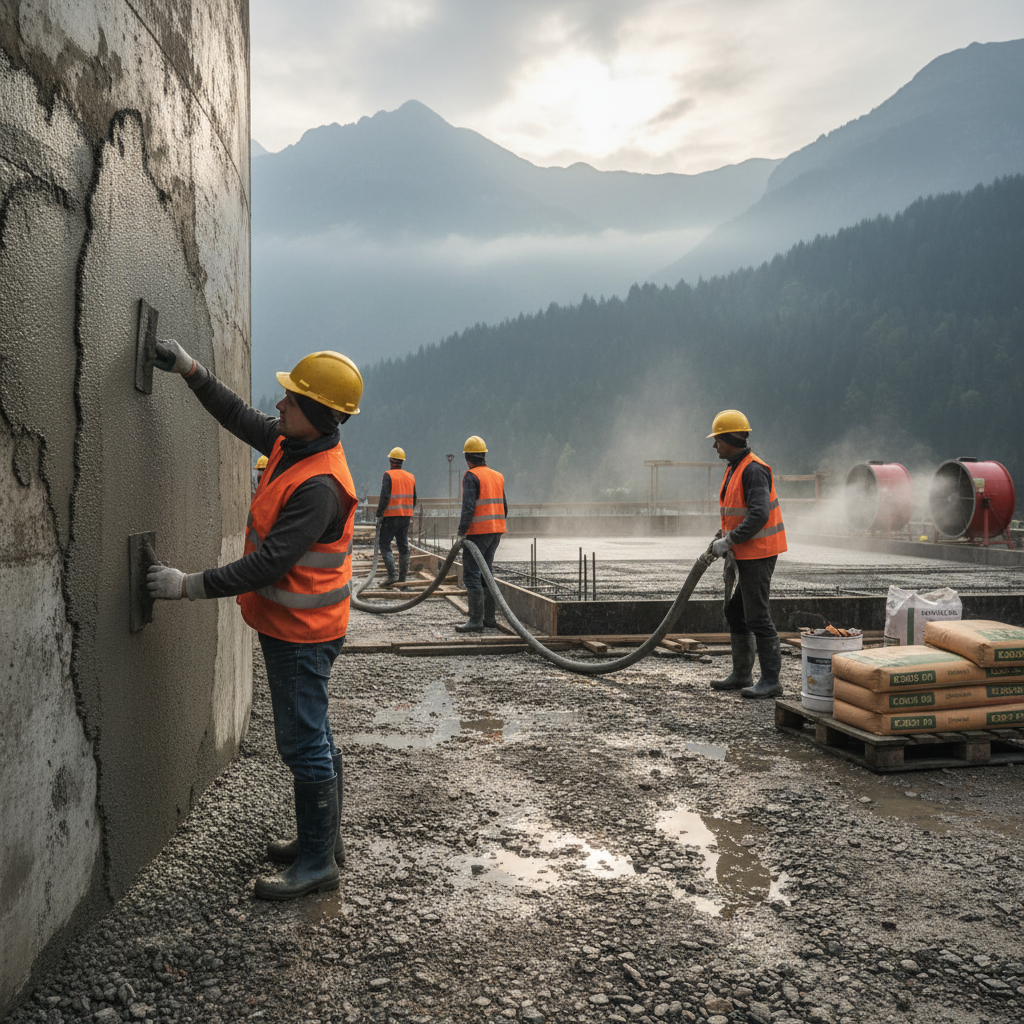
One of the significant advantages of using mixed cement in construction projects is its enhanced workability, which allows for easier manipulation and application, particularly in challenging environments. Mixed cement, often formulated with specific additives and aggregates, can adapt to various weather conditions, ensuring optimal performance whether in hot, cold, or humid climates. This adaptability not only facilitates smoother application but also minimizes the risk of issues such as cracking or setting too quickly, which can compromise the integrity of the structure.
Additionally, the ease of application offered by mixed cement enables less experienced workers to achieve professional results. The formulation often includes elements that improve flow and reduce the effort required for mixing and pouring. This can lead to significant time savings on the job site, allowing teams to complete projects more efficiently. Furthermore, the uniform consistency of mixed cement enhances bonding with other materials, ensuring a robust and durable finish that meets the demands of modern construction standards. This combination of improved workability and versatility positions mixed cement as an ideal choice for a wide range of construction applications.
Environmental Benefits of Using Mixed Cement in Sustainable Building
Mixed cement is gaining recognition for its significant environmental benefits in sustainable building practices. By incorporating recycled materials, such as fly ash or slag, mixed cement not only reduces the carbon footprint associated with traditional cement production but also utilizes waste products that would otherwise contribute to environmental degradation. This innovative approach helps lower greenhouse gas emissions, making construction projects more eco-friendly and aligning with global sustainability goals.
Moreover, mixed cement enhances the longevity and durability of structures, which indirectly contributes to sustainability. Buildings constructed with mixed cement are less prone to cracking and deterioration, leading to reduced maintenance needs and less frequent repairs over time. This not only minimizes resource consumption during the lifespan of the structure but also lessens the overall impact on the environment. By choosing mixed cement, construction projects can demonstrate a commitment to sustainable development, promote resource efficiency, and ultimately support a healthier planet for future generations.
Versatility of Mixed Cement in Different Construction Applications
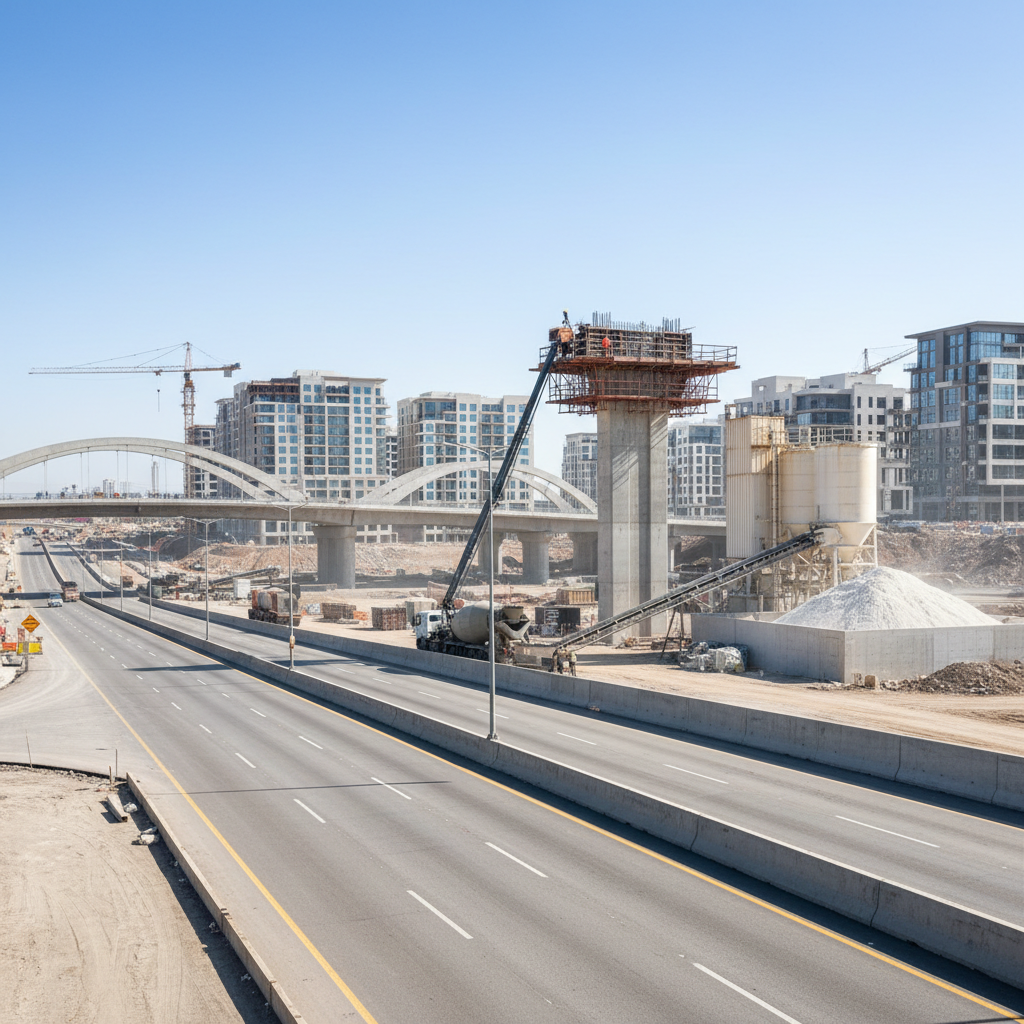
The versatility of mixed cement in various construction applications is one of its most significant advantages, enabling it to adapt to different project requirements efficiently. According to the American Concrete Institute, the use of blended cements has been on the rise, owing to their improved performance characteristics, sustainability, and cost-effectiveness. For instance, mixed cements can incorporate supplementary cementitious materials (SCMs) such as fly ash or slag, which not only enhance durability and strength but also reduce the carbon footprint of construction projects by up to 30%. This adaptability makes mixed cement a preferred choice for constructing roads, bridges, and commercial buildings.
Moreover, the inherent properties of mixed cement allow it to be tailored for specific environmental conditions. A report from the Cement Sustainability Initiative highlights that blended cements perform exceptionally well in harsh weather, providing increased resistance to freeze-thaw cycles and chemical attacks. This versatility enables engineers and architects to specify mixed cement solutions that meet stringent performance criteria while maintaining environmental responsibility. As a result, the demand for mixed cement continues to grow, contributing to greener building practices and the longevity of structures in various sectors.