Top Cement for Home Building Which Type Is Best?

Choosing the top cement for home building is not simply a matter of buying the strongest bag. The right choice depends on soil conditions, weather, structural design, curing practice, and local building standards. A foundation exposed to damp ground may need different performance from an interior floor or a garden wall. Small decisions can affect cracking, durability, and repair costs for decades.

Professor Karen Scrivener, a leading cement researcher at EPFL, has stated, “The cement industry is responsible for 5–8% of global CO2 emissions.” Her observation adds an important responsibility to this discussion. Good cement selection should support structural safety while limiting unnecessary material use. Ordinary Portland cement remains practical for many residential projects, but blended options containing slag, fly ash, or calcined clay may offer lower emissions and improved durability. Availability and quality control still matter.

There is no universal winner.

A contractor’s field experience can reveal problems that a product label does not show. Fresh concrete should be mixed accurately, placed without long delays, and cured properly. Even excellent cement can fail when water is added carelessly or curing is neglected. I have seen homeowners focus on compressive strength while overlooking moisture exposure and workmanship. That is a useful warning, although it does not answer every project question. This guide compares common cement types for home construction, explains their strengths and limits, and shows how to make a dependable choice with advice from qualified engineers and local suppliers. Each recommendation should be checked against the project drawings and applicable standards.
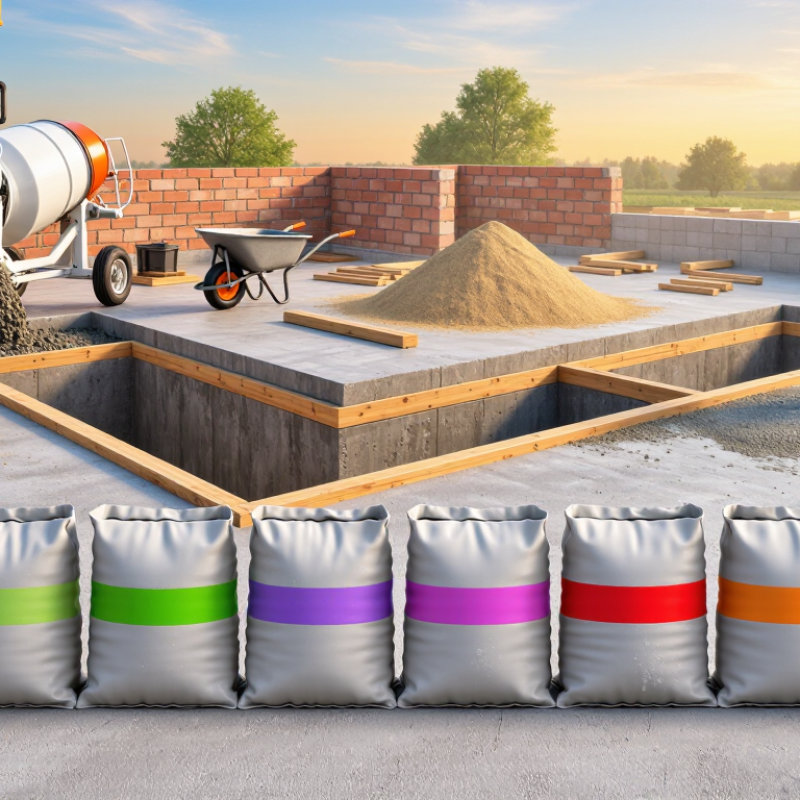
Top Cement for Home Building Which Type Is Best?

What Cement Is and Why It Matters in Home Construction

Top Cement for Home Building: Which Type Is Best?

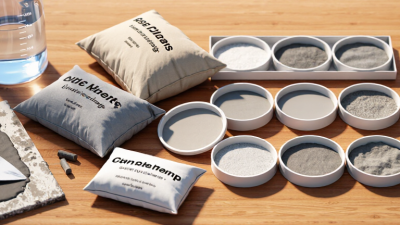
Cement is a fine powder that binds sand and stone into concrete. It reacts with water through hydration, creating a hard, stone-like material. Concrete needs cement, but cement alone is not concrete. This distinction matters when comparing materials for walls, slabs, and foundations.

For most homes, a general-purpose Portland cement works well when local building standards approve it. Blended cement can reduce heat and improve long-term durability. It may suit large pours or warm climates. Sulfate-resistant cement can help where soil or groundwater contains damaging sulfates. There is no universal “best” cement. The right choice depends on structural design, weather, soil chemistry, and curing conditions.

I have seen strong concrete fail because workers added too much water. The mix looked easier to place, but it later showed cracks and weak surfaces. Follow the specified water-to-cement ratio. Store cement in a dry, raised area, and reject bags with hard lumps. Fresh cement still needs careful handling. It is not automatically reliable.

Proper curing is equally important. Keep new concrete moist and protected from severe heat or cold during early strength development. A qualified engineer should confirm the cement type and concrete grade for structural work. Local testing provides better evidence than a label alone. Even experienced crews can miss small details. Cement selection deserves that level of care.

How to Compare Cement Types for Different Building Needs

Top Cement for Home Building: Which Type Is Best?

Choosing cement begins with the building’s conditions, not the cheapest bag. Ordinary Portland cement suits many foundations, columns, slabs, and general concrete work. It develops dependable strength and is widely covered by construction standards. Blended cement, containing materials such as slag or pozzolan, can reduce heat and improve long-term durability. However, it may gain strength more slowly. That matters when removing formwork or loading a new floor quickly. Check the product specification and local engineer’s requirements.

Different areas need different performance. Cement for sulfate-resistant concrete can help when soil or groundwater contains damaging sulfates. Rapid-hardening cement supports urgent repairs, but it requires careful mixing and curing. Masonry cement is designed for mortar between blocks or bricks. It should not automatically replace structural concrete cement. The distinction is easy to miss.

Small details decide large outcomes.

On a warm afternoon, uncovered concrete can lose water too quickly and crack at the surface. Keep fresh concrete shaded, damp, and protected during curing. Never judge cement only by early hardness. A fast result can hide poor durability. I would also question vague claims about “strongest” cement, because strength depends on mix proportions, water content, curing, and workmanship. Compare the required strength, exposure conditions, setting time, and compliance certificate before purchasing. When soil conditions are uncertain, testing is wiser than guessing.

Which Cement Works Best for Foundations and Structural Walls

For foundations and structural walls, choose concrete by exposure, strength, and placement conditions—not cement name alone. Portland-limestone cement or blended hydraulic cement often suits normal residential work. ASTM C595 recognizes blended cements that can reduce heat and improve durability. However, local soil chemistry matters. Sulfate-bearing soil may require sulfate-resistant cement, verified through a geotechnical report and project specifications.

The concrete mix carries the structure, not cement by itself. ACI 318-19 requires engineers to specify compressive strength, exposure limits, reinforcement, and curing. Many homes use concrete near 3,000 to 4,000 psi at 28 days, but this is not a universal rule. Foundation walls need low permeability and careful vibration. Too much site-added water can weaken the mix. It happens often.

USGS Mineral Commodity Summaries 2024 reported approximately 91 million metric tons of cement produced in the United States during 2023. That scale supports reliable supply, but availability still varies by region. ASTM C150 Type II cement may help where moderate sulfate exposure exists, while Type V is intended for more severe conditions. Blended cement can also perform well when the supplier provides tested results. A practical site lesson is simple: review the mix design, water-cement ratio, slump, and curing plan before pouring. The cheapest cement is not always the economical choice. Mistakes become expensive underground.

Top Cement for Home Building: Which Type Is Best?

Indicative suitability of common cement types for foundations and structural walls

General-purpose cement is commonly suitable for ordinary residential foundations and structural walls. Cement with moderate sulfate resistance may be preferred where soil or groundwater exposure is a concern, while high-early-strength cement can help projects that require faster formwork removal. The final selection should follow the structural design, local standards, exposure conditions, and the specified concrete strength.

Choosing Cement for Masonry, Plastering, and Finishing Work

Top Cement for Home Building: Which Type Is Best?

Choosing Cement for Masonry, Plastering, and Finishing Work

The best cement depends on the job, wall material, and local climate. For masonry, choose cement designed for mortar work when available. It improves workability and helps bricks or blocks bed evenly. Structural joints still need the strength specified by the project engineer and local code.

For plastering, a blended or general-purpose cement can reduce harshness and improve finish quality. The mix should spread smoothly without sliding from the wall. Too much cement may cause shrinkage cracks. Too much sand can leave a weak, dusty surface. Keep the sand clean and well graded.

Finishing work needs a finer, more consistent material. Cement paste should not be used to hide poor wall preparation. Remove dust, dampen dry masonry, and repair deep holes first. Keep fresh plaster protected from strong sun and wind. Curing matters more than many people expect.

Small details matter.

A common site lesson is simple: the strongest-looking mix is not always the best mix. I have seen hard plaster crack because the surface dried too quickly. Another mistake is changing the water amount between batches. That creates visible shade differences and uneven strength. Check the cement label, follow the stated mixing guidance, and confirm local requirements before work begins. Masonry, plastering, and decorative finishing may need different proportions, even on the same house.

How Climate, Strength, and Cost Affect Your Final Cement Choice

Choosing the top cement for home building depends on climate, required strength, and total cost. Ordinary Portland cement suits many dry, moderate climates, but it may not be the best choice near coastal air, sulfate-rich soil, or repeated freezing. Blended cement containing slag, fly ash, or natural pozzolans can improve durability and reduce heat development.

The International Energy Agency reports that cement production creates about 7% of global carbon dioxide emissions, so lower-clinker options deserve serious attention when local standards permit them.

Strength still matters, but higher early strength is not automatically better. A residential foundation may need a specified compressive strength, while a driveway faces abrasion, water, and freeze-thaw cycles.

The American Concrete Institute stresses proper mixture design, curing, and exposure classification rather than strength alone.

In practice, keeping fresh concrete damp during the first week can matter more than choosing the most expensive cement. That detail is often missed.

Cost should include labor, repairs, delivery, and service life. The U.S. Geological Survey estimated global cement production at roughly 4.1 billion tonnes in 2023, showing how widely cement is used, but local availability still controls real prices.

A slower-setting blended cement may reduce material cost, yet it can delay formwork removal.

I would not choose the cheapest option blindly. Nor would I pay for extreme strength without a structural reason.

A local engineer should check soil chemistry, rainfall, temperature swings, and building-code requirements before final selection.

The owner of this website has made a commitment to accessibility and inclusion, please report any problems that you encounter using the contact form on this website. This site uses the WP ADA Compliance Check plugin to enhance accessibility.