Best Concrete House Designs for Modern Living Solutions?
Concrete houses are transforming modern living. Their unique designs and durability present fascinating solutions for contemporary needs. Industry expert, Dr. Emily Harrison, emphasizes this by stating, "Concrete houses combine functionality with aesthetic beauty in today's architecture."
In an age where sustainability matters, concrete houses stand out. They offer energy efficiency and resistance to natural disasters. However, not all designs embrace these advantages equally. Some lack innovation or don't integrate with their environment. Reflecting on this, we see the necessity for progress in design strategies.
As we explore the best concrete house designs, it’s crucial to recognize their potential and pitfalls. These homes can showcase modern living's essence, connecting comfort with creativity. Let’s delve deeper into the possibilities and challenges these homes present.
Innovative Concrete House Design Features for Modern Living
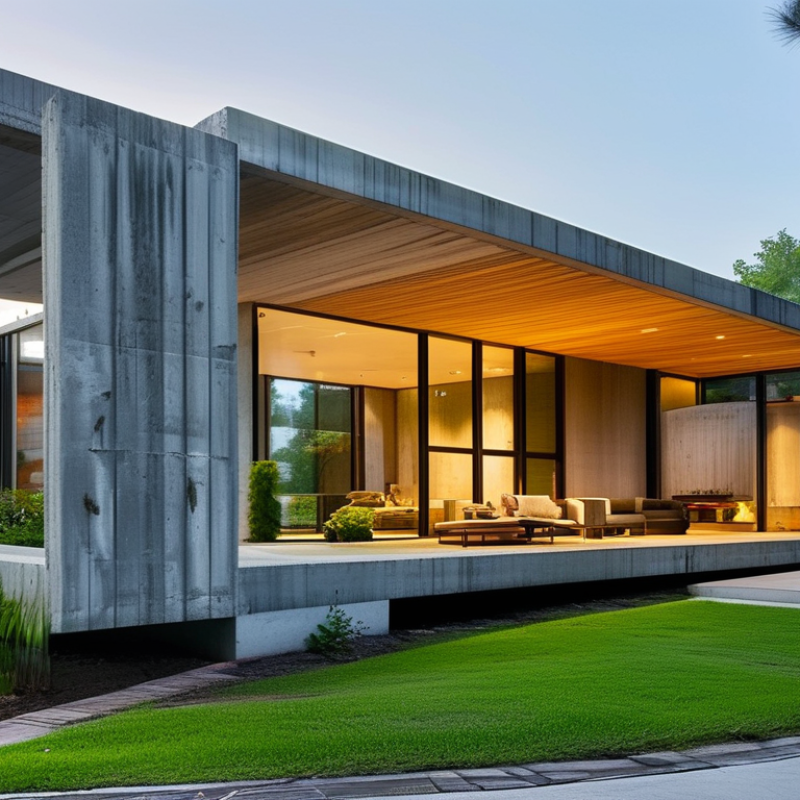
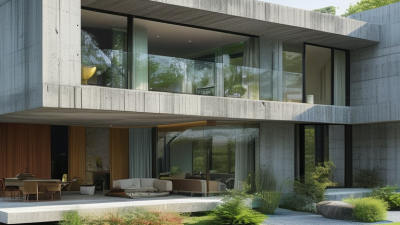
Modern concrete house designs are redefining living solutions. With innovative features, these homes blend functionality with aesthetics. Large windows invite natural light, creating a warm, inviting atmosphere. Open floor plans enhance spaciousness, allowing for flexible living arrangements.
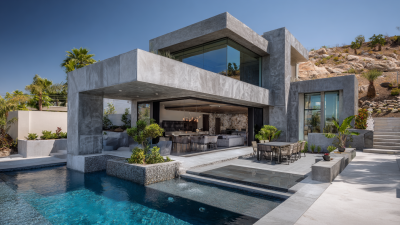
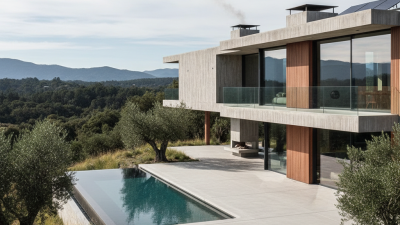
Landscaping can play a significant role in design. Thoughtful outdoor spaces add charm. Incorporating greenery around concrete can soften harsh lines. There’s beauty in contrast, yet balance is essential. Reflecting on the purpose of each space can lead to better living quality.
Sustainability is another key aspect. Using recycled materials can lower your carbon footprint. This step not only helps the environment but can also create unique textures. Consider solar panels for energy efficiency. They blend technology and sustainability seamlessly. Balancing modern features with comfort can be a challenge, yet it’s crucial for a harmonious living experience.
Best Concrete House Designs for Modern Living Solutions
| Design Feature |
Description |
Benefits |
Sustainability |
| Open Floor Plan |
A layout that promotes seamless flow between spaces. |
Enhances natural light and communal living. |
Minimizes material usage through efficient design. |
| Green Roofs |
Roofs covered with vegetation to manage stormwater. |
Improves insulation and reduces urban heat. |
Promotes biodiversity and reduces carbon footprint. |
| Energy-Efficient Windows |
High-performance glazing that minimizes heat loss. |
Saves on energy costs and enhances comfort. |
Reduces reliance on heating and cooling systems. |
| Modular Components |
Pre-fabricated sections for quick assembly on-site. |
Reduces construction waste and labor time. |
Encourages factory-based sustainable practices. |
| Rainwater Harvesting |
System to collect and reuse rainwater. |
Reduces water bills and conserves resources. |
Supports sustainable water management. |
Sustainable Materials and Techniques in Concrete Home Construction
Concrete homes are rising in popularity, thanks to their durability and modern design. Sustainable construction techniques play a key role in this trend. Many builders are now using recycled materials, which greatly reduce carbon footprints. According to a report from the Environmental Protection Agency, construction and demolition wastes account for about 25-30% of total waste. By incorporating recycled concrete aggregates, builders mitigate this issue while creating sturdy structures.
Another significant technique involves the use of energy-efficient insulation in concrete walls. Well-insulated concrete homes maintain stable indoor temperatures, reducing heating and cooling costs. The U.S. Department of Energy highlights that energy-efficient homes can save homeowners up to 30% on energy bills. Additionally, these homes often feature advanced technologies, such as solar panels, which complement their concrete structures.
Despite these advantages, there are challenges. Not all contractors are familiar with sustainable concrete practices. This lack of expertise can lead to inconsistent quality. Moreover, the upfront cost of sustainable materials may deter some buyers. A study from the International Energy Agency notes that the initial investment can be higher, but the long-term savings are significant. As interest in sustainable living grows, ongoing education for builders and homeowners is crucial for overcoming these obstacles.
Interior Design Trends for Concrete Homes in Contemporary Living
Concrete homes are gaining momentum in modern architecture. Their durability and energy efficiency make them appealing. However, the interior design of these homes presents unique challenges. Many homeowners are unsure how to balance concrete's raw aesthetic with warmth and comfort.
To create inviting spaces, using natural materials can soften the starkness of concrete. Wood accents, such as beams or flooring, add a cozy touch. Textiles like plush rugs and soft cushions can also enhance comfort levels. Balancing hard surfaces with softer elements is vital. A minimalistic approach often works well. Too many decorative items can clash with concrete's simplicity.
Color plays a significant role in this design style. Light colors can brighten the space, while dark tones can create a bold atmosphere. Earthy hues, greens, and blues can establish a connection to nature. However, it’s crucial to avoid overwhelming the space with flashy colors. Maintaining a cohesive palette is essential for harmony. Integrating plants can also bring life to the home, breaking up the visual monotony of concrete. Ultimately, the goal is to find a balance between strength and warmth.
Maximizing Space and Light in Concrete House Layouts
Concrete houses offer unique opportunities for maximizing space and light. Their strong structures can support expansive windows and open floor plans. When designing these homes, consider large openings that invite natural light. High ceilings enhance the feeling of openness. Light-colored concrete can reflect sunlight, further brightening interiors.
Incorporating outdoor spaces is essential. Roof gardens, terraces, and balconies create connections between indoors and outdoors. These areas can be designed with seating and greenery. They add a refreshing element to a concrete home. Using glass walls to separate indoor spaces connects rooms while maintaining an airy feel. This can be an effective compromise when privacy is a concern.
However, concrete's thermal mass can pose challenges. It may retain heat during the day, leading to warmer nights. Proper insulation and ventilation are crucial. Additionally, the aesthetic of raw concrete might not appeal to everyone. Consider textured finishes to soften the harshness. These choices can reflect personal style while enhancing livability in modern concrete homes.
Cost-Effective Strategies for Building Modern Concrete Homes
Concrete homes offer innovative solutions for modern living. They are durable, sustainable, and cost-effective. Many homeowners are discovering the benefits of using concrete in construction. However, building with concrete can come with challenges, particularly in budgeting.
Thinking outside the box is essential. Consider using precast concrete elements to save both time and money. This method can lower labor costs significantly. Explore local materials to reduce transportation expenses. Sometimes, sourcing nearby concrete suppliers can provide better rates.
It's also important to reflect on your design choices. Minimalism can lead to reduced material waste and lower costs. Create a smaller footprint to fit your budget while maximizing functionality. Open floor plans can enhance space perception, making a small area feel larger.
Integrating energy-efficient features will pay off in the long run. Opt for better insulation and energy-saving windows. These choices may require upfront investment but will decrease utility bills. Remember, constructing a concrete home is not just about aesthetics; it’s about creating a sustainable lifestyle that meets your family's needs.