10 Best Uses of Masonry Concrete for Your Next Construction Project?
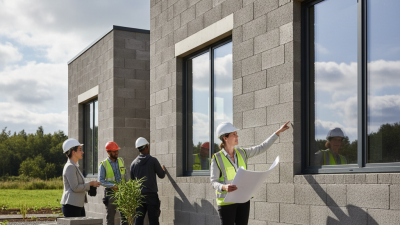
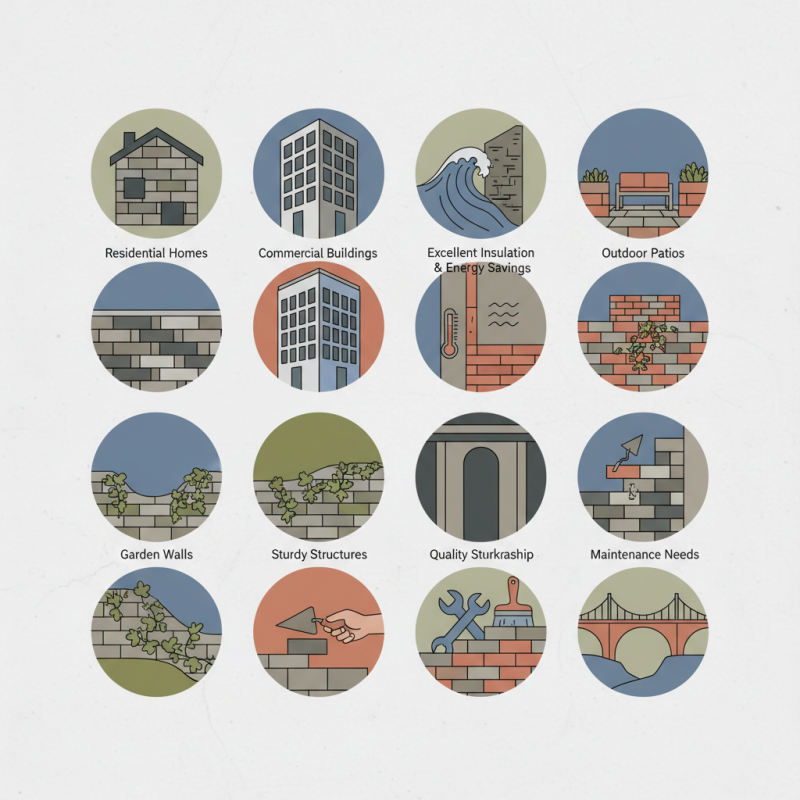
Masonry concrete is a versatile building material used worldwide. It combines strength and durability, making it ideal for various construction projects. From residential homes to commercial buildings, masonry concrete can achieve impressive results.
One of its best features is the ability to create sturdy structures that withstand harsh weather conditions. This material also offers excellent insulation, which can reduce energy costs. Smaller projects, like outdoor patios or garden walls, benefit from masonry concrete's aesthetic appeal, enhancing property value.
However, it's crucial to consider potential flaws in using masonry concrete. Poor workmanship can lead to cracking or other structural issues. Awareness of maintenance needs is also vital. Failing to address these factors may diminish the advantages of such a reliable material. Nonetheless, masonry concrete remains a top choice for builders aiming for quality and longevity in their projects.
Applications of Masonry Concrete in Residential Construction
Masonry concrete plays a vital role in residential construction. Its strength and durability make it ideal for building robust foundations, walls, and other structural elements. According to the National Concrete Masonry Association, masonry units are up to five times more fire-resistant than wood. This quality not only enhances safety but also can lower insurance premiums for homeowners.
Another important application is in energy efficiency. Masonry structures can significantly reduce heating and cooling costs. A study by the Portland Cement Association indicated that homes built with masonry materials could use up to 25% less energy for temperature control. However, contractors often overlook the insulation properties of masonry. Proper techniques and materials can enhance energy performance, yet not all builders fully utilize this potential.
In addition, masonry concrete allows for versatile design options. Architects can create unique textures and patterns, making homes aesthetically appealing. However, this requires careful planning to avoid issues like cracking or moisture infiltration. Some projects start strong but suffer from inadequate detailing later. It’s crucial to always address potential challenges in design and implementation to optimize the benefits of masonry concrete in residential projects.
10 Best Uses of Masonry Concrete for Your Next Construction Project
| Application |
Description |
Benefits |
| Foundations |
Masonry concrete is ideal for constructing durable foundations that provide stability and support for structures. |
High load-bearing capacity and resistance to moisture. |
| Walls |
Used for both load-bearing and non-load-bearing walls, enhancing structural integrity. |
Good thermal mass, fire resistance and sound insulation. |
| Patios |
Provides a solid and durable surface for outdoor living spaces. |
Long-lasting, low maintenance, and customizable designs. |
| Retaining Walls |
Used to hold back soil and prevent erosion. |
Sturdy and effective in managing landscape elevation changes. |
| Driveways |
Masonry concrete can be used for driveways, providing a strong and attractive surface. |
Durable, customizable, and resistant to cracking. |
| Fountains |
Perfect for constructing decorative water features in gardens and parks. |
Aesthetic appeal and longevity. |
| Outdoor Kitchens |
Masonry concrete makes for durable countertops and structures. |
Weather resistance and easy maintenance. |
| Fireplaces |
Used to build traditional and contemporary fireplaces. |
Heat retention and safety in use. |
| Basement Walls |
Ideal for moisture control and structural stability in basements. |
Resistant to water damage and pests. |
Masonry Concrete for Commercial Building Durability and Aesthetics
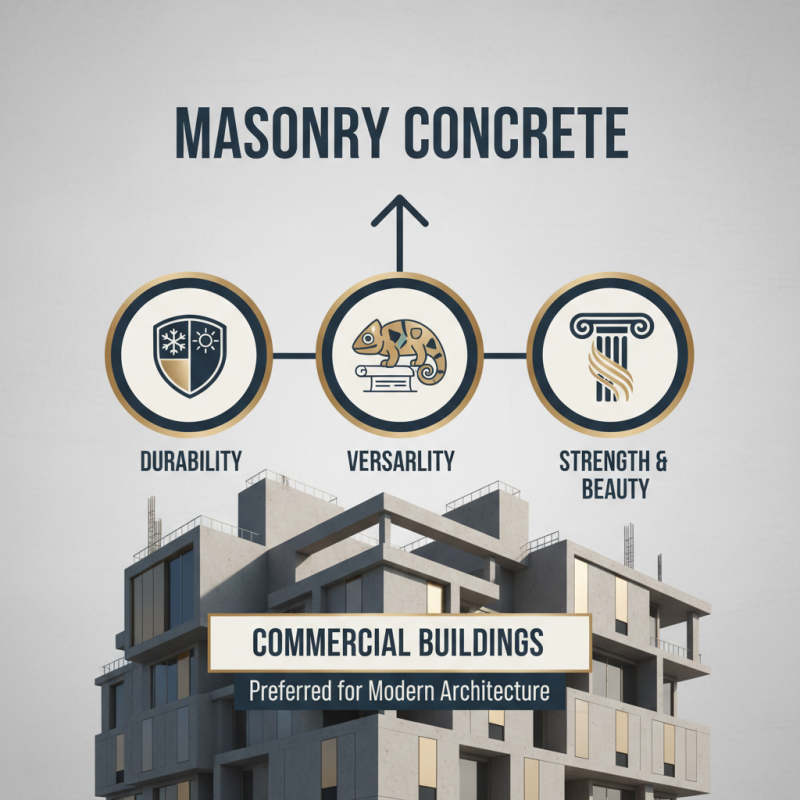
Masonry concrete has become a go-to choice for commercial buildings. Its durability withstands harsh weather conditions. Many architects appreciate its versatility. It can be molded into various designs, enhancing the aesthetics of any structure. With the right mix, the finished product showcases a balance of strength and beauty.
An intriguing feature of masonry concrete is its ability to adapt. It can be used for elegant facades or rugged walls. Each approach tells a unique story. However, achieving a perfect blend of function and form can be challenging. Sometimes, projects face unexpected setbacks. Mixing different materials might not yield the desired look.
The longevity of masonry concrete is another significant advantage. It resists wear and tear, reducing maintenance costs. A well-designed masonry building can last for decades. Yet, proper planning is crucial. If not done right, the structural integrity may compromise aesthetics. Each project offers valuable lessons, reminding us that perfection is a journey, not a destination.
Innovative Uses of Masonry Concrete in Landscape Design
Masonry concrete has gained popularity in landscape design due to its strength and versatility. This material can create stunning outdoor features that withstand the test of time. According to a recent survey by the National Concrete Masonry Association, nearly 70% of landscape professionals use masonry products for hardscaping projects. Its durability makes it ideal for patios, retaining walls, and fire pits.
Innovative designs often incorporate masonry concrete in unique ways. For instance, blending different textures and colors can enhance the aesthetic appeal of outdoor spaces. Using exposed aggregate can create visually striking pathways. Additionally, masonry features can enhance functionality; they can provide seating areas or garden beds. Interestingly, a study from the Concrete Reinforcing Steel Institute found that landscaping projects using masonry can improve property value by up to 15%.
However, there are challenges to consider. Installation times can be longer than other materials, and the initial investment can be high. Many landscape designers admit they sometimes underestimate the labor required for complex masonry projects. Mistakes in measurements or alignment can lead to additional costs. It's essential to approach masonry design with careful planning and a willingness to adapt.
10 Best Uses of Masonry Concrete in Landscape Design
Energy Efficiency Benefits of Masonry Concrete in Construction
Masonry concrete is a popular choice for construction projects, especially when focusing on energy efficiency. Its thermal mass helps in regulating indoor temperatures. This means lower heating and cooling costs. Buildings constructed with masonry can stay warmer in winter and cooler in summer. Utilizing this material can also lead to a reduced carbon footprint.
Tips for optimizing energy efficiency include ensuring proper insulation and ventilation. While masonry is energy-efficient, gaps can lead to heat loss. Check your masonry work for any cracks or openings. Investing in high-quality insulation will enhance the overall performance of masonry concrete.
Consider the orientation of your building. South-facing walls can absorb more sunlight. This natural warmth can reduce reliance on artificial heating. However, relying solely on passive solar design might not yield the desired results. A balance of design techniques is necessary. Use masonry wisely to create an energy-efficient space that meets your needs.
Masonry Concrete Techniques for Infrastructure and Civil Projects
Masonry concrete is a versatile material, ideal for infrastructure and civil projects. It provides strength and durability. Using masonry techniques can enhance the design of various structures. For instance, retaining walls built with masonry concrete offer stability and support for sloped terrain. These walls not only serve a functional purpose but also add aesthetic value.
Considering the impact of masonry concrete techniques, attention to detail is crucial. Proper curing and mixing techniques ensure longevity and avoid common pitfalls. Some projects face challenges like cracking and moisture intrusion. Regular maintenance can mitigate these issues. Implementing a thorough inspection process during construction phases is essential for quality assurance.
Incorporating masonry concrete in sidewalks and plazas enhances public spaces. It withstands heavy foot traffic while remaining visually appealing. However, the planning stage can be overwhelming. Balancing functionality with design may require revisions or adjustments. Collaboration among architects and engineers is important but not always seamless. Addressing these challenges can lead to refined outcomes in masonry concrete applications.