How to Build a Concrete Home That Lasts for Decades
Building a concrete home is not just about constructing a shelter; it’s about creating a durable, sustainable living space that can withstand the test of time. As Matthew Smith, a well-known expert in the concrete home industry, states, "A concrete home is not merely a building; it’s a legacy that can last for generations." This sentiment highlights the lasting value and resilience that concrete structures offer compared to traditional housing materials.
In today's rapidly changing environment, the need for energy-efficient and low-maintenance homes has never been more critical. Concrete homes provide an excellent solution to address these concerns, combining strength with versatility. The innovative use of concrete also allows for unique architectural designs that complement various landscapes and personal styles.
As we delve into the process of building a concrete home that stands firm for decades, we’ll explore essential considerations—from choosing the right materials and techniques to incorporating sustainable practices that enhance the home's longevity. Embracing the advancements in concrete construction is not only a nod to durability but also a commitment to sustainable living for future generations.
Choosing the Right Location for Your Concrete Home
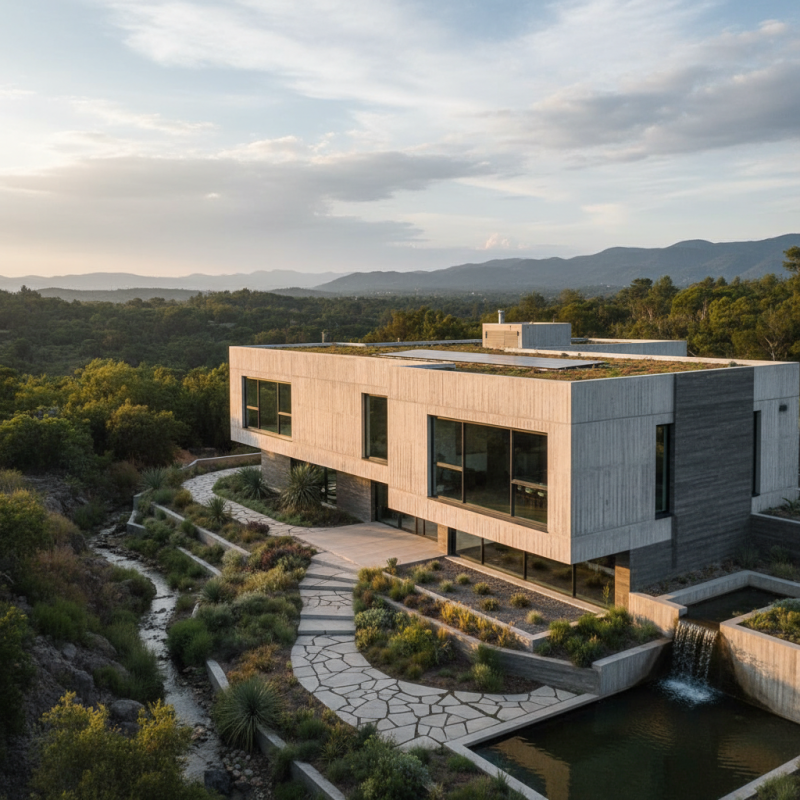
Choosing the right location for your concrete home is crucial for ensuring its longevity and resilience. According to the U.S. Census Bureau, homes in areas prone to severe weather events, such as hurricanes or floods, can greatly benefit from the durability of concrete construction. Research indicates that concrete homes can withstand winds of up to 200 mph, making them a suitable choice in regions susceptible to such conditions. Additionally, selecting a location with stable soil can prevent settling and cracking, which is vital for the integrity of your concrete structure.
Tip: Always conduct a thorough site analysis before making a purchase. Look for areas that are not only aesthetically pleasing but also have a low risk of natural disasters and soil issues. Utilizing resources like the FEMA Flood Map Service can help you identify flood-prone areas.
When considering your concrete home’s location, it’s also important to evaluate the accessibility to essential services like water supply, waste management, and transportation. A location close to these services can enhance your living experience while contributing to the home's overall value. Reports from the National Association of Realtors indicate that properties with easy access to utilities and roads tend to appreciate faster in value over time.
Tip: Research local zoning laws and community development plans to ensure your home will be situated in a region with supportive regulations for concrete construction. This foresight can save you from potential legal and financial challenges down the road.
Concrete Home Durability Comparison by Location
This bar chart illustrates the estimated lifespan of concrete homes in various geographical locations. As seen, urban locations tend to support longer-lasting homes due to better maintenance and infrastructure, while coastal areas may experience more wear due to environmental factors.
Selecting Durable Materials for Long-lasting Construction
When embarking on the journey of constructing a concrete home meant to endure for decades, selecting durable materials is paramount. Concrete itself is a natural choice, known for its strength, weather resistance, and longevity. However, complementing concrete with high-quality aggregates, additives, and reinforcement materials will enhance its durability even further. Consider using materials that can withstand extreme weather conditions, such as freeze-thaw cycles and heavy rainfall, to ensure that your structure remains intact over the years.
**Tips:** Choose aggregates like granite or basalt for their superior strength and resistance to wear. Additionally, incorporating additives like waterproofing agents can help prevent moisture infiltration, which can compromise the integrity of the structure over time. When it comes to reinforcement, opt for stainless steel rebar to resist corrosion, especially in areas prone to high humidity or salinity.
Moreover, investing in energy-efficient windows and doors made from sturdy materials can add to the home's durability. Double-paned glass not only insulates but also shields against UV damage. For roofs, consider using concrete tiles or metal roofing that can endure severe weather conditions without deteriorating. This combination of careful material selection will significantly contribute to the longevity of your concrete home.
**Tips:** Always research the environmental conditions of your building site to select materials best suited to those challenges. Regular inspections and maintenance can spot potential issues before they escalate, ensuring your home stays in top shape for decades.
How to Build a Concrete Home That Lasts for Decades - Selecting Durable Materials for Long-lasting Construction
| Material Type |
Durability Rating |
Maintenance Required |
Cost per Unit |
Environmental Impact |
| Reinforced Concrete |
High |
Low |
$100/sqm |
Moderate |
| Insulated Concrete Forms (ICF) |
Very High |
Minimal |
$150/sqm |
Low |
| Precast Concrete |
High |
Low |
$120/sqm |
Moderate |
| Fiber-Reinforced Concrete |
High |
Low |
$110/sqm |
Low |
| Shotcrete |
Moderate |
Medium |
$90/sqm |
Moderate |
Designing Energy-efficient Concrete Homes
Designing energy-efficient concrete homes starts with careful planning and consideration of the home’s orientation.
Positioning the home to take advantage of natural sunlight can significantly reduce the need for artificial heating and lighting.
Large south-facing windows allow sunlight to flood living spaces, while overhangs can provide shade during the hotter months, minimizing reliance on air conditioning.
Proper insulation is also crucial; high-quality, energy-efficient materials can help maintain comfortable indoor temperatures, reducing energy bills and enhancing overall comfort.
Additionally, integrating renewable energy technologies can further enhance the energy efficiency of concrete homes.
Installing solar panels on the roof allows homeowners to harness the sun’s power, converting it into electricity to meet their energy needs.
Rainwater harvesting systems can be implemented to collect and utilize water for irrigation or flushing toilets, further reducing the home’s environmental impact.
Furthermore, choosing energy-efficient appliances and fixtures contributes to a lower carbon footprint, making concrete homes not only durable but also sustainable in the long term.
Through thoughtful design and technology, concrete homes can achieve impressive energy efficiency while providing a safe and comfortable living environment.
Step-by-Step Construction Process for Concrete Homes
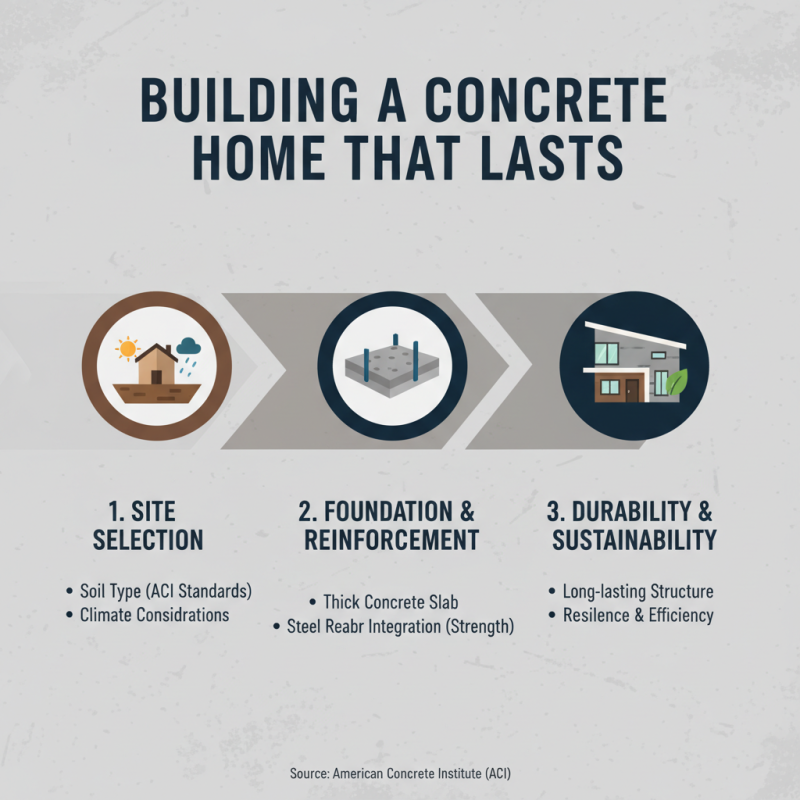
Building a concrete home that stands the test of time involves a systematic approach that prioritizes durability and sustainability. The first step in the construction process is to select a suitable location. According to the American Concrete Institute (ACI), the soil type and climate are critical factors that can affect the longevity of a concrete structure. After site evaluation, the foundation is laid, which often includes a thick concrete slab to provide stability. Reinforcement materials such as steel rebar are integrated into the foundation to enhance strength and resilience.
Once the foundation is set, the walls are constructed using precast concrete panels or poured-in-place concrete techniques. Research indicates that homes built with insulated concrete forms (ICFs) not only exhibit superior energy efficiency but also maintain a significantly lower rate of moisture infiltration, reducing mold risks over time. Incorporating energy-efficient windows and doors, as recommended by the U.S. Department of Energy, further complements the thermal performance of concrete homes.
**Tips:** When planning your concrete home, consider using high-quality concrete mix designs that can withstand specific weather conditions. Regular maintenance, such as sealing cracks and ensuring proper drainage, can drastically extend the life of your home. Additionally, consult with a structural engineer to fine-tune your design for optimal performance in your local environment.
Maintenance Tips to Ensure Longevity of Concrete Structures
Maintaining the integrity of a concrete home is crucial for ensuring its longevity over the decades. One key aspect of upkeep is regular inspections. Homeowners should routinely examine their concrete surfaces for cracks, which can compromise the structure's stability. If small cracks are detected, timely repairs with a suitable sealant can prevent them from expanding and leading to more significant damage.
Another vital tip is to manage water drainage effectively. Water pooling around the foundations can weaken the concrete over time. To mitigate this, homeowners should ensure that gutters are clean and that downspouts direct water away from the home. Additionally, maintaining proper landscaping with sloping terrain away from the foundation can further protect against water-related issues.
Lastly, it is essential to clean concrete surfaces regularly. Dirt, mildew, and algae can accumulate, leading to wear and discoloration. Utilizing a pressure washer or a suitable cleaning solution on outdoor concrete areas will help preserve their appearance and strength. By implementing these maintenance practices, homeowners can enjoy their concrete homes for many years without major structural concerns.