What is a Cement Maker and How Does It Contribute to Construction?
In the dynamic world of construction, the role of a cement maker is crucial. A cement maker produces the essential binding material that holds structures together. According to Dr. Emily Hughes, a noted expert in construction materials, "Cement is the backbone of modern engineering." This statement highlights the importance of cement in building robust infrastructures.
As cities expand and new projects emerge, the demand for high-quality cement increases. Cement makers must innovate constantly to meet this demand. They face challenges like sustainability and environmental impact. The production process is energy-intensive and often requires critical evaluation. Cement makers are under pressure to reduce emissions and use eco-friendly methods.
The journey of a cement maker is not without difficulties. Balancing quality, cost, and environmental responsibility is a common struggle. Mistakes can affect entire projects. With a keen focus on improvement, the industry can transform these challenges into opportunities for growth. This complex relationship between cement makers and construction is vital for the development of modern society.
What is a Cement Maker?
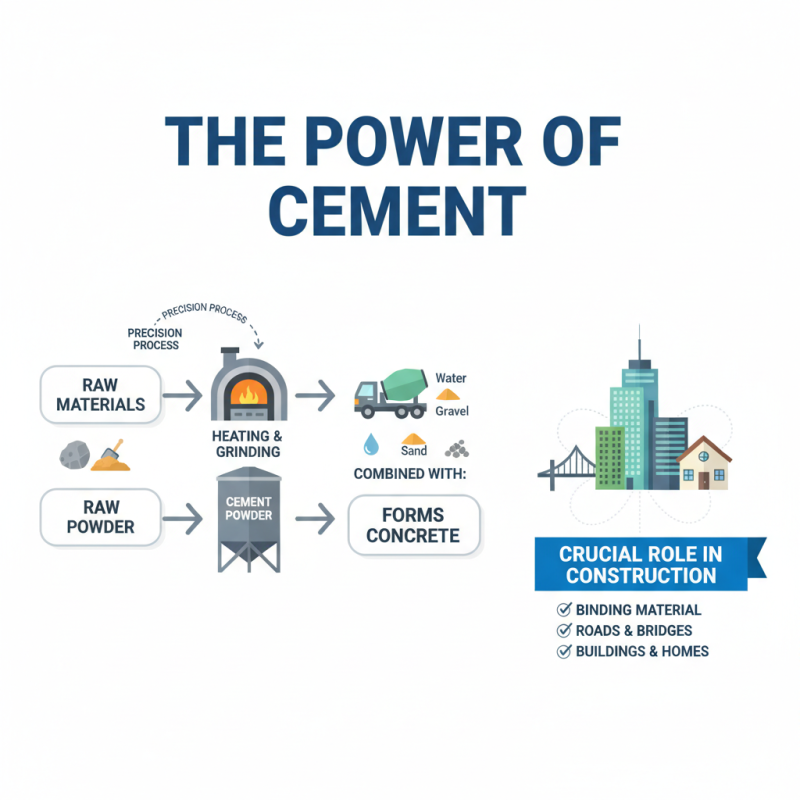
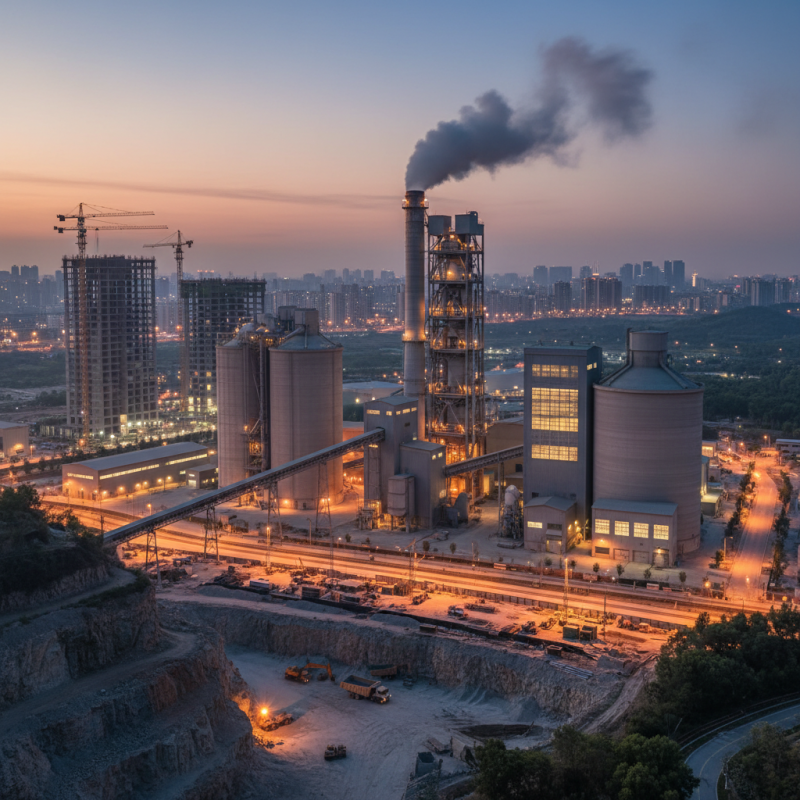
A cement maker plays a crucial role in the construction industry. They produce cement, a binding material used in various building projects. Cement is made by heating limestone and clay, a process that requires precision. This raw material is then combined with water, sand, and gravel to create concrete.
The cement production process is complex. It involves sourcing raw materials and ensuring consistent quality. Even minor changes in ingredient proportions can affect the final product. Cement makers must constantly monitor this to meet industry standards. Factors like temperature and timing are also essential in this process.
Tips: Always check for quality certifications when selecting cement for your project. Understanding the different types of cement can also improve your construction outcomes. It’s vital to regularly evaluate the efficiency of your chosen cement maker. Choose wisely; not all options are equal.
The Cement Manufacturing Process: From Raw Materials to Final Product
Cement production starts with raw materials. Key ingredients include limestone, clay, and iron ore. These materials undergo careful mining and processing. Once collected, they are crushed and mixed. This step is crucial for quality control. The mixture is then heated in a kiln at high temperatures, often exceeding 1400 degrees Celsius.
After reaching the desired consistency, the heated materials become clinker. This solid is then cooled and milled into a fine powder, which we know as cement. During this grinding process, gypsum is often added to control setting time. The result is a versatile substance, essential for various construction projects.
The entire process requires precision. Even a slight variation in ingredient proportions can affect the final product's quality. Not every batch turns out perfect, leading to ongoing discussions in the industry. Continuous improvement is necessary to meet evolving construction demands and sustainability goals. Without this, the construction industry may fall short in providing safe and durable structures.
Cement Production by Region (2022)
Key Roles of Cement Makers in the Construction Industry
Cement makers play a crucial role in the construction industry. They produce the essential material used in various building projects. Cement is the backbone of infrastructure, from bridges to skyscrapers. Without it, many structures would not stand.
The process of cement production is intricate. Raw materials are quarried and processed carefully. This includes limestone, clay, and minerals. Once blended, these materials undergo high-temperature cooking. This step transforms them into clinker, a key ingredient for creating cement.
Cement makers also face challenges. Environmental concerns are significant. The production process emits considerable carbon dioxide. Striking a balance between production and sustainability is crucial. Innovations in technology and methods are needed. Adapting to new practices can be slow and requires investment. As the industry evolves, cement makers must continuously reflect on their impact and responsibility in the construction landscape.
Environmental Impact of Cement Production
Cement production plays a crucial role in construction. However, it is also one of the largest sources of carbon emissions. Each ton of cement released approximately 0.9 tons of CO2 into the atmosphere. This significant environmental impact raises concerns about sustainability.
The process of making cement involves heating raw materials to high temperatures. This requires a vast amount of energy, mainly from fossil fuels. These energy-intensive methods contribute to air pollution and deplete natural resources. The dust from cement plants can also affect air quality, harming nearby communities.
Innovations are needed to minimize these environmental effects. Some ideas include using alternative fuels or more sustainable materials. Reducing emissions should be a priority for future cement production. Transitioning to greener options may prove challenging but is necessary for the planet’s health.
Future Trends in Cement Manufacturing and Construction Technology
The future of cement manufacturing is evolving rapidly. Innovations in technology are reshaping the industry. Sustainable practices are now more critical than ever. Cement makers are exploring greener options to reduce carbon footprints. This includes using alternative fuels and raw materials. Some companies are even recycling cement materials from old structures.
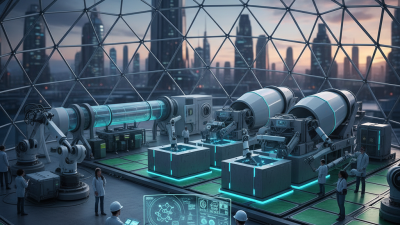
Digitalization also plays a significant role. Automation and smart technologies are becoming common. They help in streamlining production processes. Data collection and analysis improve efficiency and predict maintenance issues. However, there are challenges in adopting these technologies. Training workers to adapt to new systems can be difficult. Not every manufacturer can afford these advancements.
Additionally, the demand for eco-friendly construction is growing. Consumers seek sustainable buildings that minimize environmental impact. Cement makers must respond to this trend. The industry is under pressure to innovate continuously. Finding a balance between cost, quality, and sustainability is complex. The future of cement manufacturing requires creativity and resilience.