How to Choose the Best Home Cement for Your DIY Projects?
When embarking on a DIY project, understanding the right type of home cement is crucial. According to leading industry expert, Dr. Emily Carter, “Choosing the correct home cement can make or break your project.” Whether you're tackling a simple repair or a creative build, the right cement ensures durability and success.
Cement options can be overwhelming. From quick-setting varieties to those designed for heavy-duty applications, the choices can feel endless. Today’s market offers various products, each tailored for specific uses. For instance, not all home cement is suitable for outdoor conditions. It's essential to consider factors like climate and project requirements before making a decision.
While many DIY enthusiasts jump into their projects with eagerness, it's essential to pause and evaluate your needs. Reflecting on your experience level can help you avoid common pitfalls. The journey of selecting the right home cement is as important as the project itself. Taking the time to research can save frustration later on and lead to a successful build that stands the test of time.
Understanding Different Types of Cement for Home Projects
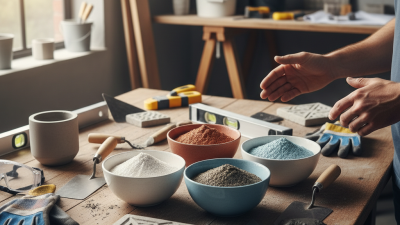
When choosing cement for DIY projects, understanding types is crucial. Ordinary Portland Cement (OPC) is the most common. It's ideal for general construction tasks, including patios and walkways. A report from the Portland Cement Association states that around 30% of cement is used in residential projects.
Masonry cement is tailored for specific tasks, like bricklaying. This type has additives that enhance workability. A study indicated that masonry cement can improve the bond strength by up to 25%, making it great for building walls.
Tip: Always check the cement's expiration date. Using expired cement can lead to poor outcomes.
Another option is blended cement, which combines different materials. It offers a lower carbon footprint. Research shows that using blended cement can reduce emissions by up to 40%. It's a smart choice for those focused on sustainability.
Tip: Test small batches of your cement for consistency. This helps avoid costly mistakes.
Each type of cement has its merits, but choices depend on project needs. The right cement ensures durability and longevity, making every DIY project successful. Remember to balance performance with your specific requirements.
Evaluating Your Project Requirements and Conditions
When evaluating your project requirements for home cement, consider the scope and scale of your work. Are you pouring a new patio or repairing a crack in your foundation? Each task has its unique needs. In small repairs, a quick-setting option might suffice. Larger projects may require a more robust mix.
Evaluate environmental factors. Will your project be exposed to extreme weather? High humidity or intense heat can affect curing time and strength. It’s crucial to match your cement choice to these conditions. If you live in a cold climate, you might need special additives to ensure proper setting. Reflect on your workspace too; limited space can restrict your techniques.
Budget is another key factor. Affordability doesn’t always equate to quality. You might find cheap options that perform poorly over time. Assess previous experiences, including your mistakes. Learning from them can guide your decision. Don’t overlook the importance of the right tools and techniques, which can make a critical difference in your project's success. Making informed choices can lead to more satisfactory outcomes.
Comparing Properties of Cement: Strength, Durability, and Setting Time
When selecting cement for DIY projects, understanding its properties is essential. A recent industry report indicates that strength is a primary factor. Ordinary Portland Cement (OPC) typically achieves a compressive strength of around 32 MPa after 28 days. However, high-strength options can reach up to 60 MPa. This means choosing the right type can significantly impact your project.
Durability is another critical aspect. Use cement that can withstand environmental challenges. For example, sulfate-resistant cement offers better longevity in areas with high sulfate soil. Durability often translates into reduced maintenance costs and a longer lifespan for your structures, yet many DIY enthusiasts overlook this factor.
Setting time is frequently underappreciated. Fast-setting cements can harden in just a few hours, useful for unexpected repairs. However, rushing can lead to poor outcomes. For complex projects, consider slower-setting options that allow for adjustments. Balancing these properties can ensure a successful DIY project, but it requires careful consideration and sometimes trial and error.
Identifying Cost-Effective Cement Options for DIY Enthusiasts
Choosing the right cement for DIY projects can be challenging. Many enthusiasts focus on cost but overlook essential properties. According to industry reports, the average price of cement can range from $100 to $150 per ton. Understanding the differences in types is crucial for efficiency and durability.
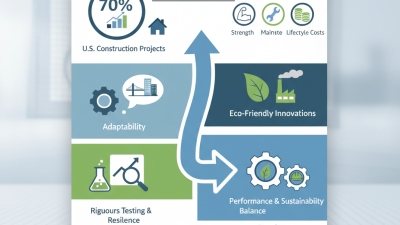
For a cost-effective option, consider Portland cement. It accounts for nearly 70% of all cement produced worldwide. It's readily available and versatile for many applications. However, a common mistake is using only the cheapest mix, which may compromise quality. A study by the American Concrete Institute reveals that inferior cement can lead to structural issues over time.
Another option is blended cement, which often incorporates additives. This type may be more economical in the long run. However, awareness is essential. Some users report difficulty in mixing, which affects the final product's strength. Research shows that while blended cement can reduce carbon emissions by up to 30%, it may not perform well in extreme conditions. Understanding your project’s requirements is key.
Tips for Proper Mixing and Application Techniques in Home Projects
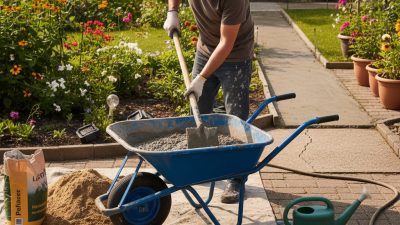
Mixing cement for home projects requires attention to detail. Always use clean water for mixing. Water quality can affect the strength of your final product. A good ratio is crucial. Generally, a mix of one part cement, two parts sand, and three parts gravel works well for many projects. Adjust based on your needs. Remember, too much water weakens the mix.
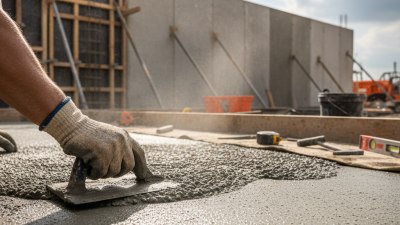
Application is just as important as mixing. Ensure your surface is clean and level before pouring. Use a trowel for a smooth finish. Don't rush; allow the cement to set properly. Mistakes can happen. You might find uneven areas or cracks as it dries. Address these promptly to avoid bigger issues later. Practice makes perfect. Each project will teach you something new. Be patient and learn from any imperfections.