Why Choose Portland Concrete for Your Next Construction Project?
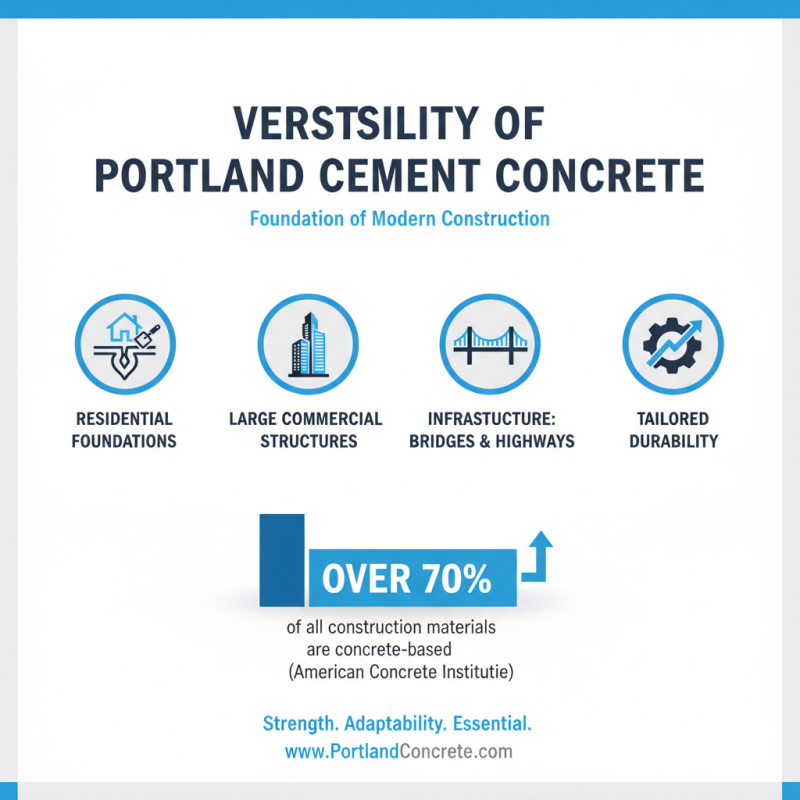
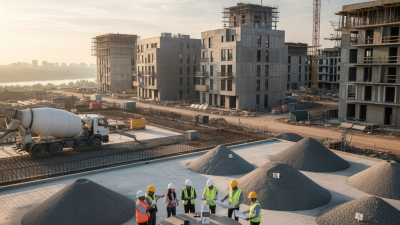
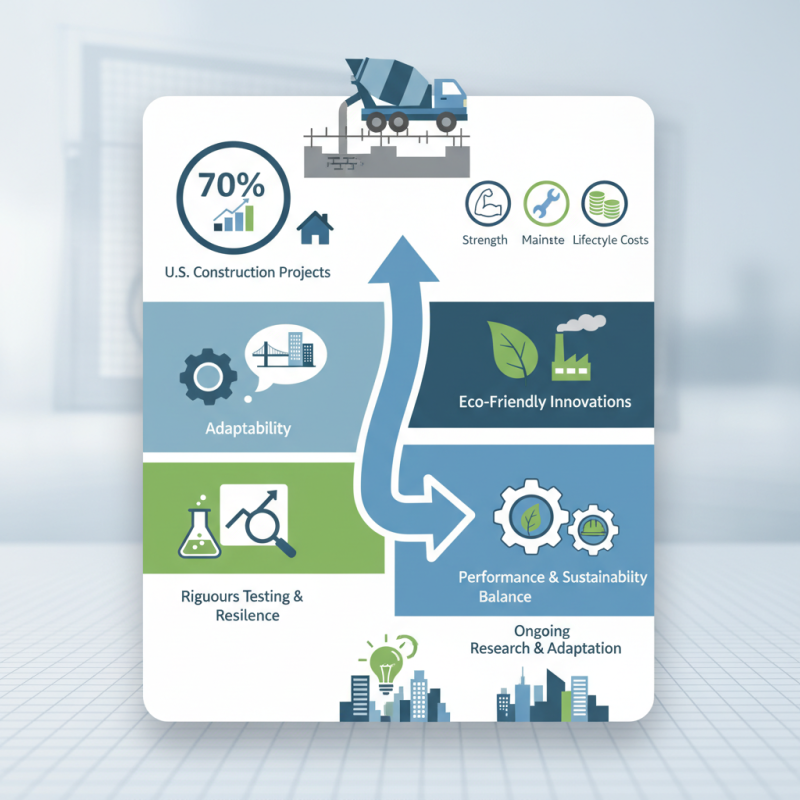
Portland concrete is increasingly favored in construction projects, thanks to its durability and versatility. According to the National Ready Mixed Concrete Association (NRMCA), over 70% of U.S. construction projects utilize concrete as a primary material. This is due to its strength, low maintenance, and favorable lifecycle costs. Experts in the field highlight the importance of selecting the right concrete mix for specific applications.
One such expert, Dr. Emily Carter, a leading materials scientist at the Concrete Research Institute, emphasizes, "Portland concrete is the backbone of modern infrastructure." Her insights point to the adaptability of Portland concrete in both residential and commercial builds. The material's performance under varying conditions has been rigorously tested, showcasing its resilience.
While Portland concrete offers many benefits, misunderstandings persist about its environmental impact. Innovations in eco-friendly mixes are addressing these concerns, yet challenges remain. The construction industry must continue to balance performance and sustainability. Portland concrete's future relies on ongoing research and adaptation to meet evolving needs.
Benefits of Portland Concrete in Construction Projects
Portland concrete is a popular choice for construction projects due to its many benefits. One of its most significant advantages is its strength. This concrete type hardens over time, reaching durable levels suitable for various structures. It can withstand heavy loads and harsh environmental conditions, making it ideal for both residential and commercial applications.
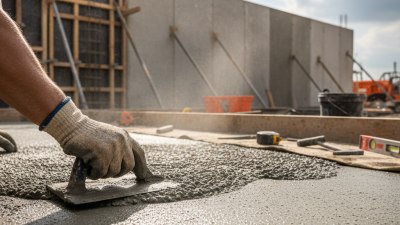
Another benefit of Portland concrete is its versatility. It can be molded into any shape, allowing for creative designs. From driveways to foundations, its adaptability meets different construction needs. Furthermore, its low maintenance requirements can save time and money in the long run. However, the initial mixing process must be done correctly to ensure the desired quality.
While Portland concrete offers numerous advantages, potential downsides exist. Improper curing can lead to cracks or reduced strength. It requires a skilled workforce to handle the mixing and pouring process effectively. Choosing the right time for pouring is also critical, as weather conditions can greatly influence the results. A thorough understanding of these factors can help maximize the benefits of using Portland concrete.
Durability and Strength: Key Features of Portland Cement
Portland cement is renowned for its durability and strength, making it a top choice for construction projects. The process of curing Portland cement creates a hardened structure capable of withstanding various loads and impacts. Its high compressive strength ensures that buildings can endure heavy use and environmental stressors. This strength is essential for both commercial and residential projects.
One of the unique aspects of Portland cement is its longevity. Unlike other materials, it resists wear and degradation. This feature means structures can remain safe and functional over decades. Outdoor projects benefit especially from its resistance to weather conditions. Rain, heat, and frost are less likely to compromise the integrity of the cement.
Tip: Always consider local climate conditions when choosing materials. This awareness allows for better protection against elements. Proper maintenance is also crucial. Inspecting structures periodically is essential for ensuring safety and performance. Pay attention to cracks or signs of wear; these are indicators of potential issues.
Why Choose Portland Concrete for Your Next Construction Project?
| Feature |
Description |
Benefits |
| Durability |
Portland cement creates a solid and durable final product that can withstand harsh environmental conditions. |
Increased lifespan of constructions and reduced maintenance costs. |
| Strength |
Portland cement provides high compressive strength, crucial for load-bearing structures. |
Improved safety and structural integrity in buildings and infrastructure. |
| Versatility |
Can be used in various construction applications including roads, bridges, and foundations. |
Flexibility in design and application, suited for both residential and commercial projects. |
| Sustainability |
Modern formulations are designed to reduce emissions and improve efficiency. |
Environmentally friendly option with a reduced carbon footprint. |
| Cost-effectiveness |
Widely available and generally lower in cost compared to other construction materials. |
Lower initial investment leading to long-term savings in construction projects. |
Cost-Effectiveness of Using Portland Concrete
Portland concrete stands out for its cost-effectiveness in construction projects. According to a report by the National Ready Mixed Concrete Association, using concrete can reduce overall building expenses by 10% to 15%. This is primarily due to its durability and low maintenance needs. In contrast, many traditional materials require frequent repairs and replacements, increasing long-term costs. The initial investment in Portland concrete may seem higher, but its longevity pays off over time.
For project managers, opting for Portland concrete means fewer delays. The material’s strength allows for faster construction timelines. A study from the American Concrete Institute highlights that concrete structures typically have a longer lifespan than those built with wood or steel. This can significantly lower the total cost over the project’s lifetime. However, it’s important to ensure proper mix designs and curing procedures to fully leverage these benefits.
Tips: Always work with experienced professionals who understand the nuances of Portland concrete. Conduct a thorough cost analysis that factors in both initial and long-term expenses. Regular maintenance checks can also help identify issues early, preventing costly repairs. Choosing the right supplier is essential; research local providers to get competitive pricing without compromising on quality.
Environmental Sustainability of Portland Concrete Options
Portland concrete stands out for its environmental sustainability. This material is known for its durability and strength. Many construction projects now look for greener options. Using Portland concrete can reduce overall emissions. It often uses recycled materials, decreasing waste. This creates a positive impact on the environment.
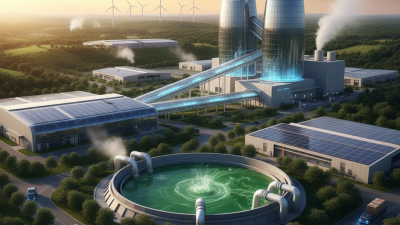
The production methods for Portland concrete have evolved. Modern processes aim to lower carbon footprints. Some manufacturers utilize alternative fuels. This reduces reliance on fossil fuels, making the production more eco-friendly. Additionally, Portland concrete's longevity means less frequent repairs or replacements. This reduces long-term resource consumption.
Choosing Portland concrete does come with challenges. Some projects may face higher initial costs. The availability of recycled materials can also vary by location. These factors necessitate careful planning and consideration. Yet, the potential environmental benefits often outweigh the drawbacks. Embracing Portland concrete helps contribute to sustainable building practices.
Environmental Sustainability of Portland Concrete Options