How to Choose the Best Masonry Concrete for Your Projects?
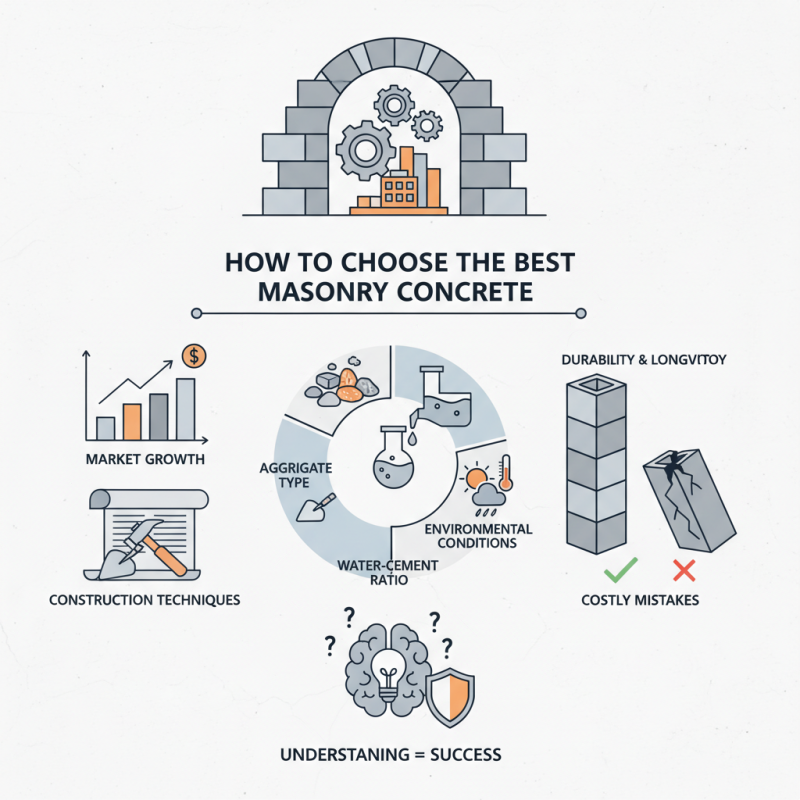
When undertaking masonry projects, selecting the right masonry concrete is crucial. In recent years, the masonry concrete industry has seen an increase in demand due to construction booms. According to a 2022 report by the Global Concrete Association, the masonry concrete market is projected to grow by 5% annually. As construction techniques evolve, so does the need for high-quality materials.
Industry expert Dr. Michael Harris emphasizes the importance of proper selection. He states, “Choosing the right masonry concrete can significantly impact the durability and longevity of any structure.” His insights reflect the growing recognition of material quality in enhancing structural integrity. Yet, many still face challenges in understanding the specifics of different types of masonry concrete.
Misconceptions about strength and application persist among professionals. Some believe that all masonry concrete is the same, leading to costly mistakes. Therefore, it’s essential to evaluate factors such as aggregate type, water-cement ratio, and environmental conditions. Understanding these elements can help avoid potential failures in masonry projects.
Understanding Different Types of Masonry Concrete Available
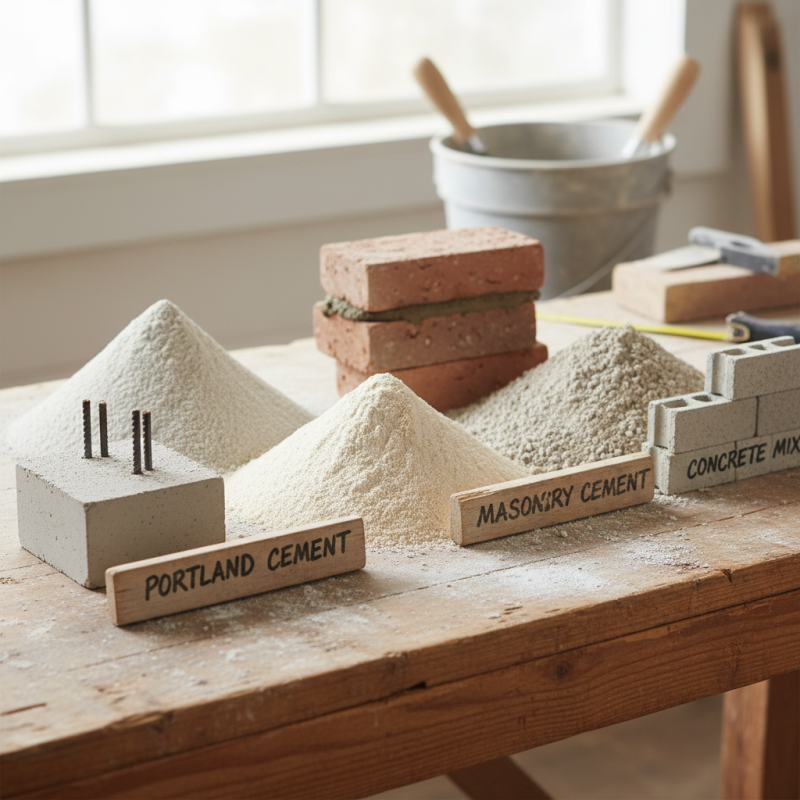
When selecting the right masonry concrete for your projects, it’s vital to understand the various options available. Common types include Portland cement, masonry cement, and concrete mixes. Each type has distinct properties that make it suitable for specific applications. Portland cement is known for its strength and durability. It's often used for structural components, like foundations. Masonry cement, on the other hand, is specially formulated for block and brick work. It provides good workability and adhesion.
Consider your project's demands when choosing the type. Portland cement may not always be the best choice for every situation. For example, it can be overkill for small brick repairs. Masonry cement can be easier to use for these applications. Concrete mixes are versatile and can be adjusted based on the desired strength and setting time.
It’s also essential to reflect on local climate conditions. Some types perform better in hot or humid environments. The mix ratios might require adjustments based on your area. Mistakes in selection can lead to costly repairs down the line. Pay attention to your specific needs to avoid common pitfalls in masonry projects.
Key Factors to Consider When Choosing Masonry Concrete
Choosing the right masonry concrete is crucial for the success of any construction project. You should focus on several key factors. The type of project you are undertaking will dictate the specifications you need. Different applications, like foundations, walls, or pavements, necessitate concrete with distinct properties.
Strength and durability are paramount when selecting masonry concrete. Look for options that can withstand varying weather conditions and physical stress. The compressive strength is one metric to consider. Not all projects require the same strength. You might need to reassess your concrete choice if your project has unique requirements, like heavy loads or exposure to moisture.
Additionally, workability is another important aspect. Some projects require concrete that is easy to mold and shape. If the concrete is too stiff, it can lead to uneven surfaces and cracks. Also, consider the mix design and the aggregate types. The wrong mix can compromise performance. During your selection process, take the time to research and consult with experts. This can help ensure that you make an informed choice. Overlooking these elements can lead to costly repairs and extend project timelines.
Evaluating Project Needs and Requirements for Masonry Choices
When evaluating project needs for masonry concrete, consider durability and strength. Different projects require varying levels of resistance to elements. For outdoor installations, options like high-strength concrete can withstand weather impacts. Indoor projects might prioritize aesthetics alongside durability.
Think about load-bearing requirements as well. Structures like walls and foundations need a sturdy mix. It’s vital to understand local building codes. This ensures that your choices meet necessary standards. Misjudging this could lead to costly repairs later.
Consider the specific environment too. Moisture, temperature changes, and exposure to harsh chemicals affect performance. Reflect on past projects for lessons learned. Sometimes, the cheapest option can underperform. Take time to assess all variables to make an informed choice. Be open to revising your decisions based on new information or experiences.
How to Choose the Best Masonry Concrete for Your Projects?
| Project Type |
Concrete Strength (MPa) |
Key Features |
Environmental Considerations |
| Residential Construction |
20-25 |
Durability, Low Maintenance |
Sustainable materials recommended |
| Commercial Buildings |
25-30 |
High Strength, Fire Resistance |
Energy efficiency considerations |
| Infrastructure Projects |
30-40 |
High Load Capacity, Weather Resistance |
Consideration for local soil conditions |
| Landscape Elements |
15-20 |
Aesthetic Options, Erosion Control |
Local fauna and flora considerations |
Comparing Durability and Strength of Various Masonry Products
When considering masonry concrete for your next build, it's essential to evaluate the durability and strength of various products. A recent report by the National Concrete Masonry Association highlighted that concrete masonry units (CMUs) offer significant compressive strength, averaging around 2,500 psi. This strength makes them ideal for load-bearing walls, especially in high-stress environments.
Brick and stone also hold their own, with brick achieving a compressive strength between 3,000 to 15,000 psi, depending on the type and quality. However, it's vital to acknowledge that variations in manufacturing can impact these numbers. Poor manufacturing practices can weaken structural integrity, leading to potential failures. Investing in quality can ensure longevity, but not all products are created equal.
In addition, environmental factors affect performance. Exposure to freeze-thaw cycles can compromise masonry integrity over time. A study indicated that mortar durability can significantly influence the entire structure's lifespan. While many products boast high strength ratings, it's critical to assess local conditions that could expose these products to stressors. Prioritizing comprehensive testing and quality assurance is fundamental to avoiding future issues.
Cost Considerations and Budgeting for Masonry Concrete Projects
Budgeting for masonry concrete projects requires careful consideration. The cost of materials, labor, and additional expenses can add up quickly. Understanding concrete types and their price ranges is crucial. For instance, specialty mixes might offer durability but at a higher cost. Basic concrete is usually more budget-friendly but may not perform as well in harsh conditions.
Labor is another essential factor. Hiring skilled masons may seem expensive, yet poor workmanship can lead to costly repairs. Don’t overlook potential overruns. Always budget for unexpected expenses, like site preparation or permits. It’s wise to create a detailed plan and stick to it.
Think about your project's scale. A small job may afford more flexibility. Larger projects can benefit from bulk purchasing discounts. However, engaging professionals early can help clarify realistic costs. It's vital to reassess your budget regularly as you move through the project.