How to Choose the Right Cement for Your Home Projects?
When embarking on your next home project, choosing the right cement can be pivotal. According to James Reilly, a well-known expert in the cement home industry, "Selecting the proper cement is crucial for durability and aesthetics." His advice highlights the importance of making informed choices.
Cement is not just a mix; it is the foundation of your project's success. Different types of cement serve various purposes, and knowing these can enhance your work. For example, Portland cement is a common choice, favored for its strength. However, alternatives like decorative cement can elevate your design's appeal.
Many homeowners feel overwhelmed when faced with cement options. It’s easy to overlook details. But understanding product labels and specifications can make a significant difference. Often, what seems like a minor choice can lead to costly mistakes. Thus, reflecting on your requirements may save time and frustration. The journey to creating your ideal cement home starts with the right knowledge.

Understanding Different Types of Cement and Their Uses in Home Projects
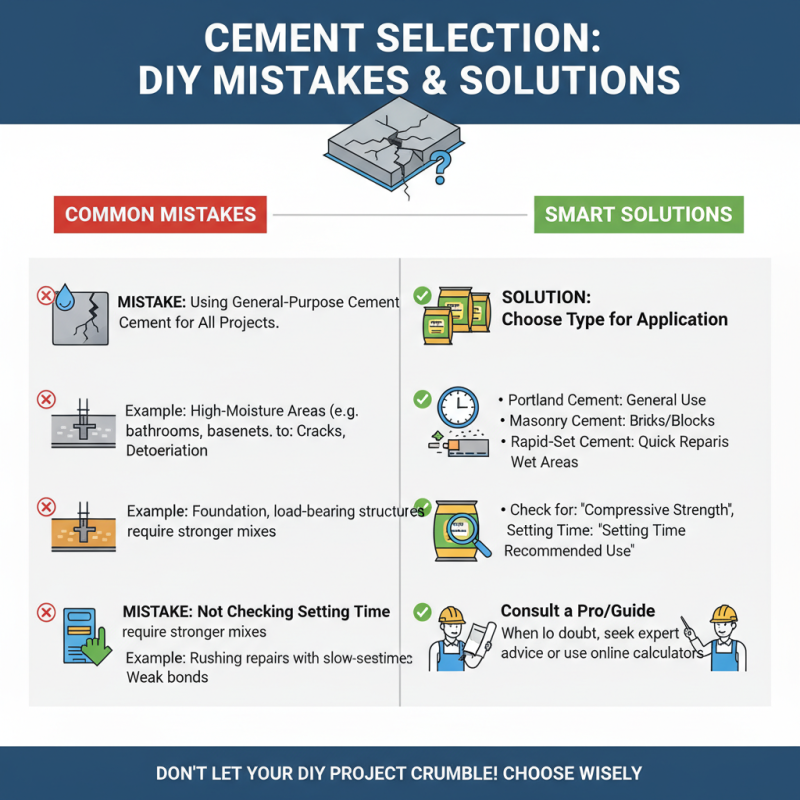
Understanding the right type of cement is crucial for home projects. Each type serves specific purposes. For instance, Portland cement is a standard choice for general construction. It has a long history of use. This type is suitable for foundations and major structures.
Other types include masonry cement. It is ideal for brick and stone work. Reports show that masonry cement has exceptional adhesion. This feature enhances durability in outdoor applications. Blended cements combine different materials. They’re tailored for specific environments. For humid conditions, a blend can resist moisture better.
However, it's easy to overlook the importance of quality. Some might choose cheaper options without realizing the long-term impact. Weak cement can lead to cracks and other damages. A survey of DIY enthusiasts revealed that 40% faced issues due to wrong cement choices. Understanding the specific needs of your project can prevent such mistakes. Take time to assess what works best for you.
Evaluating Strength Requirements: Choosing the Right Cement Grade
When selecting cement for home projects, understanding strength requirements is crucial. Different projects demand various cement grades. For instance, if you're building a patio, a standard grade might suffice. However, if structural integrity is a concern, a higher grade is necessary.
Evaluating the strength requirements involves assessing the load the structure will bear. A garden path won’t need as much strength as a foundation. Often, homeowners underestimate the importance of choosing the right grade. This misstep can lead to cracks and repairs.
Consulting guidelines on the right cement grade is essential. Embedding steel reinforcements can also enhance strength, but it adds complexity. Make sure to calculate the specific needs of your project. Reflect on previous mistakes to avoid similar pitfalls. Strength isn't just a number; it's the foundation of your work.
Environmental Considerations: Sustainable Cement Options for Home Use
When selecting cement for your home projects, consider the environmental impact. Choosing sustainable options can greatly reduce your carbon footprint. Look for cement with lower emissions or made from recycled materials. These alternatives often maintain high quality without harming the planet.
Tips: Always check the labels. Look for certifications that prove sustainability. You might find eco-friendly cement is readily available at local stores.
Another option is to consider blended cements. These can include materials like fly ash or slag. They use less energy in production and can enhance durability. However, not all blended cements are created equal. Some might not meet your project specifications.
Tips: Research before buying. Understand the strength and setting times of each type. You may need to adjust your project timeline based on these factors.
It's important to reflect on your choices. Using traditional cement may seem easier, but it contributes to pollution. Sustainable options require research, but they benefit the environment. You could also consult with local experts or online resources for guidance.
Estimating Project Size: How Cement Quantity Affects Your Choice
Estimating the size of your project is essential when choosing the right cement. The amount of cement needed directly affects your choice of type. If you are working on a small garden path, for example, you won’t need as much cement as for a large driveway. Inaccurate estimates can lead to wasted materials and time. You should always measure your work area before purchasing.
Tips: Always double-check your measurements. A simple miscalculation can change everything.
For larger projects, consider the type of cement that fits your structural needs. Portland cement is commonly used, but alternatives exist for specific uses. A backyard slab might require a different mix than a foundation. Reflect on the requirements thoroughly.
Tips: Consult a local expert if you're unsure about choices. They can provide invaluable insights based on project size.
Remember, the choice also ties to project durability. The wrong type could lead to cracks or quicker wear. Don’t overlook the long-term implications. Think ahead when estimating your cement needs. It's all about making informed decisions.
Estimating Cement Quantity for Home Projects