Why Concrete Masonry Is Essential for Durable Construction?
Concrete masonry plays a crucial role in the construction industry. Experts like Dr. Emily Carter, a renowned architect and researcher, emphasize its significance. She states, “Concrete masonry withstands the test of time, offering unmatched durability.” This statement highlights the essential nature of concrete masonry in building resilient structures.
The physical properties of concrete masonry contribute to its durability. This material can resist fire, pests, and harsh weather conditions. Unlike other building materials, it often requires less maintenance over time. However, not all concrete masonry is created equal. Some applications might reveal weaknesses, especially if not installed correctly.
There’s an important aspect to consider: the environmental impact of concrete production. It may raise concerns among sustainability advocates. Balancing durability with eco-friendliness is a challenge. Nevertheless, when done well, concrete masonry stands as a testament to effective and lasting construction practices.
The Definition and Composition of Concrete Masonry
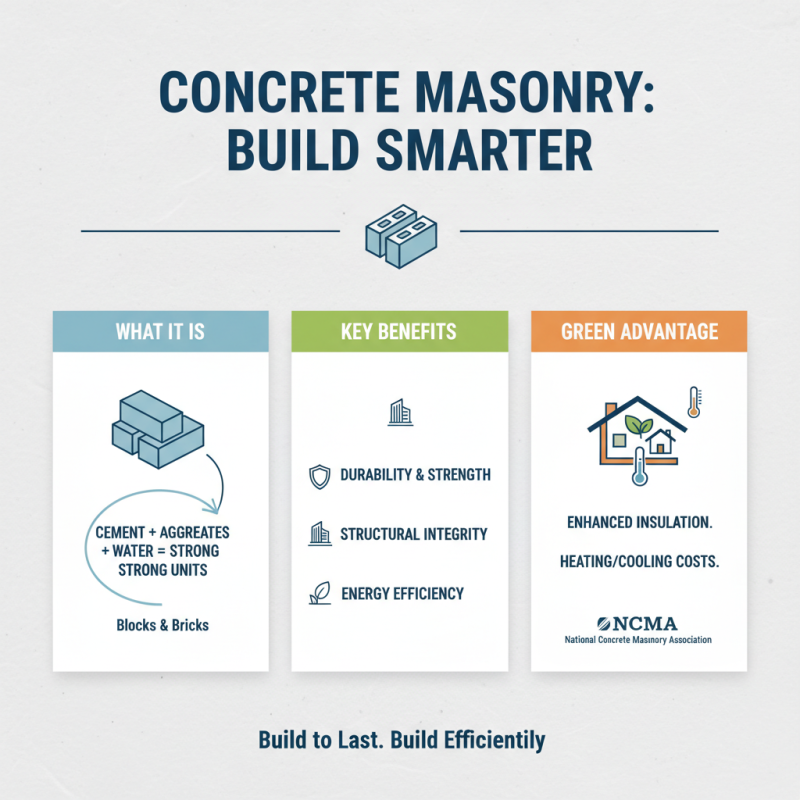
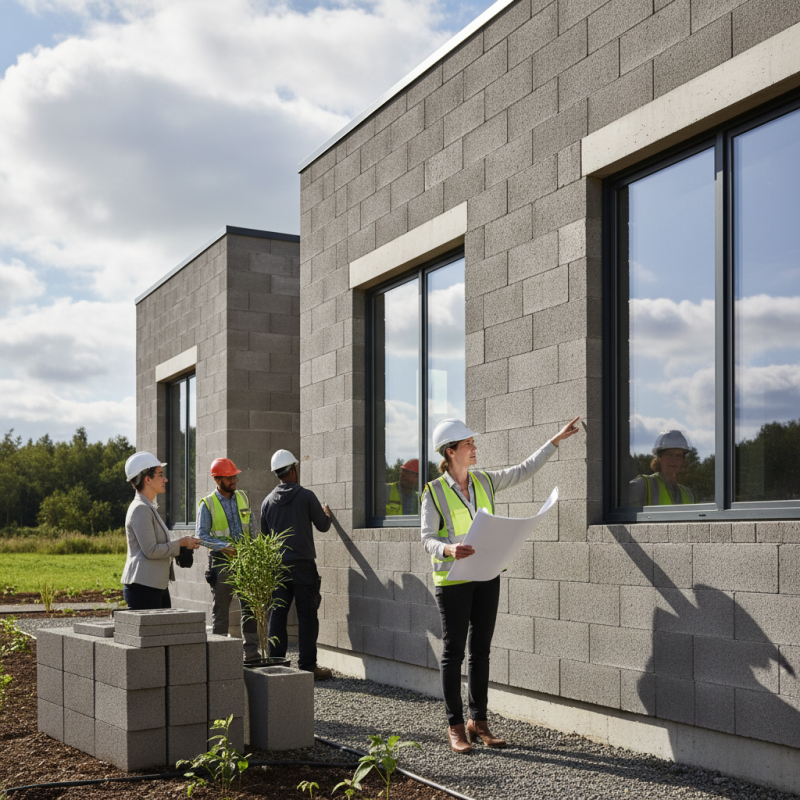
Concrete masonry refers to building materials made from concrete blocks or bricks. These elements combine cement, aggregates, and water. Once mixed, the concrete hardens, creating strong units. It is a popular choice due to its durability and structural integrity. According to the National Concrete Masonry Association, concrete masonry contributes to energy efficiency. Structures made with it can enhance insulation and reduce heating and cooling costs.
Concrete masonry is particularly valued for its resilience against natural disasters. In a report by the Insurance Institute for Business & Home Safety, homes constructed with concrete masonry have seen a 60% reduction in damage during hurricanes. This is crucial in regions prone to severe weather conditions. However, not all masonry is created equal. The quality of materials and craftsmanship can vary. Poorly mixed concrete or improper installation can lead to issues in strength.
A study by ASTM International highlights that concrete masonry can have a lifespan exceeding 100 years if constructed properly. This longevity makes it a sustainable choice for building. Yet, it is essential to recognize that maintenance plays a role in maximizing durability. Regular inspections and repairs can prevent long-term damage. Investing in quality materials is vital, but understanding the construction process is equally important.
Key Benefits of Using Concrete Masonry in Construction
Concrete masonry is a vital component in modern construction. It offers numerous advantages, making it a preferred choice for builders. According to a recent industry report, structures made from concrete masonry typically last longer than those built with other materials. They can endure extreme weather conditions, ensuring resilience and longevity.
One key benefit is energy efficiency. Concrete masonry walls provide excellent insulation, reducing heating and cooling costs. This can lead to energy savings of up to 25% over time. High thermal mass helps maintain comfortable indoor temperatures. It naturally stores and releases heat, making buildings more comfortable year-round.
Tip: Consider moisture control when planning your concrete masonry construction. Proper drainage systems can prevent water damage. It’s crucial to use effective sealants to ensure longevity and durability.
Another aspect worth mentioning is fire resistance. Concrete does not burn, providing considerable safety in construction. Many experts recommend using concrete masonry in high-risk areas. A study revealed that structures with concrete masonry can withstand fire for over four hours without major damage.
Tip: Use local materials when sourcing concrete masonry products. This can reduce your carbon footprint and support regional economies. Choosing local suppliers may lower transportation costs and promote sustainable practices.
Comparative Analysis: Concrete Masonry vs. Other Building Materials
Concrete masonry stands out when compared to wood or steel. It offers better resistance against fire and pests. Unlike wood, it won’t rot. It provides a secure option for any building project. Many builders appreciate its durability. However, it can be heavier and harder to work with. This complexity may lead to mistakes during installation.
When examining insulation properties, concrete masonry performs well but may need additional insulation. Wood structures often require significant maintenance, while concrete can remain intact for years. Steel may provide longevity, but it can corrode. Each material has its weaknesses. The choice depends on the specific application and local climate.
Cost is also a significant factor. Initial expenses for concrete can be high. However, considering its lifespan, the investment pays off. Choosing the right building material requires careful thought. Weighing benefits and drawbacks is essential for durable construction.
Best Practices for Implementing Concrete Masonry in Projects
Concrete masonry is a vital component in construction projects focused on durability. Implementing best practices is crucial for achieving long-lasting structures. Start by selecting high-quality materials. Not all concrete blocks are created equal. Look for ones that have a proven track record under various conditions. Testing samples for strength can save time and money later on.
During installation, proper planning is essential. Ensure that your foundation is level and well-prepared. This step can prevent costly repairs in the future. Following specific guidelines for mixing and pouring concrete can enhance the overall integrity of the structure. It's not unusual to see projects that neglected these details suffer from cracks or uneven surfaces.
Regular maintenance is often overlooked but can extend the life of concrete masonry. Inspect regularly for signs of wear, such as moisture intrusion. Simple fixes can prevent major issues down the line. While it’s tempting to rush through the process, taking the time to review and reflect can lead to far better outcomes.
Why Concrete Masonry Is Essential for Durable Construction? - Best Practices for Implementing Concrete Masonry in Projects
| Dimension |
Description |
Benefits |
Best Practices |
| Durability |
Concrete masonry provides long-lasting structures that resist weathering and decay. |
Increased lifespan and reduced maintenance costs. |
Use high-quality materials and follow local codes. |
| Energy Efficiency |
Concrete masonry has high thermal mass, helping to regulate indoor temperatures. |
Lower energy bills and improved comfort. |
Incorporate insulation and seal gaps during construction. |
| Fire Resistance |
Concrete is non-combustible and provides excellent fire protection. |
Enhanced safety for occupants and reduced insurance costs. |
Design buildings with fire codes in mind and utilize fire-rated assemblies. |
| Sustainability |
Concrete masonry can include recycled materials, contributing to green building practices. |
Lower environmental impact and potential for certifications. |
Select materials with recycled content and implement waste reduction practices. |
| Cost-Effectiveness |
Initial costs may be higher, but long-term savings on maintenance and repairs are significant. |
Better return on investment over time. |
Plan for lifecycle costs during project budgeting. |
Long-Term Durability and Maintenance Considerations for Concrete Masonry
Concrete masonry stands out for its long-term durability. This material can withstand harsh weather, making it ideal for various climates. It resists fire, pests, and even rot. Yet, this durability does not mean it requires no maintenance. Regular inspections are vital for longevity. Check for cracks or signs of wear regularly.
Maintenance of concrete masonry involves specific tasks. Sealing joints and treating surfaces can help prevent moisture intrusion. This step reduces the risk of mold and mildew. Even small cracks should be repaired promptly. Ignoring minor issues can lead to bigger problems down the line.
While concrete masonry offers strength, it also requires commitment. Building owners must prioritize maintenance. Without it, even the strongest structures can decline. It’s essential to plan for both enduring strength and ongoing care.