What is Concrete Strength and How to Improve It?
Concrete strength is a vital aspect of construction that directly affects the durability of structures. According to Dr. Emily Carter, a leading expert in material science, "The strength of concrete determines how well a structure can withstand stress over time." This insight highlights the importance of concrete strength in ensuring safety and longevity in various applications.
Improving concrete strength involves understanding various factors, including the mix design and curing process. For example, using high-quality aggregates and additives can significantly enhance concrete's load-bearing capacity. However, not all methods are foolproof. Some techniques may lead to unintended consequences, such as increased brittleness.
In striving for optimal concrete strength, practitioners must balance performance and cost. It’s essential to experiment and adjust mixes while keeping an eye on the project's budget. Continuous evaluation and reflection on methods used will lead to better outcomes and increased reliability in concrete construction.
Understanding Concrete Strength: Definition and Importance
Concrete strength is a crucial factor in construction. It defines how well concrete can withstand loads and forces. The compressive strength of concrete is typically measured in megapascals (MPa). According to the American Concrete Institute (ACI), a standard concrete mix often achieves a compressive strength of 25-30 MPa. However, specialized mixes can reach over 80 MPa. This variance depends on the concrete's composition and curing methods.
Improving concrete strength involves multiple strategies. Adjusting the water-cement ratio is one effective method. A lower water-cement ratio generally enhances strength, but it also increases difficulty in mixing and pouring. Testing by the National Ready Mixed Concrete Association indicates that a ratio of 0.4 can lead to significant strength improvements, but proper handling is essential. Adding supplementary cementitious materials, such as fly ash or silica fume, can also enhance durability and strength.
Strength should never compromise workability. A balance must be struck. Overly stiff concrete may hinder proper placement. Monitoring and refining the mix design requires a deep understanding of materials. The rigorous testing of mixtures is vital. Recognizing these challenges leads to better strength outcomes, though it can be frustrating without a clear strategy. Continuous evaluation is necessary to ensure concrete meets structural demands while being workable.
Factors Influencing Concrete Strength: Material Composition and Curing
Concrete strength is influenced significantly by its material composition and curing methods. The choice of cement, aggregates, and water ratio is crucial. For instance, using high-quality aggregates can greatly enhance the durability and strength. However, selecting the right size of aggregates often requires careful consideration. Smaller aggregates can improve workability but may reduce strength if not balanced properly.
Curing is an essential process that often gets overlooked. It involves maintaining adequate moisture and temperature for the concrete during the initial hardening phase. Insufficient curing can lead to cracks and reduced strength. For example, curing compounds can help retain moisture but may not be suitable for all environments. Finding the right curing method requires experience and careful judgment.
Variations in local materials can also impact overall concrete performance. Some may have higher impurities or varying moisture levels. This variability calls for regular testing and adjustments in mix designs. Each project may face unique challenges. Reflecting on these factors can lead to better practices in concrete construction.
What is Concrete Strength and How to Improve It?
| Factor |
Description |
Influence on Strength |
| Water-Cement Ratio |
The ratio of water to cement in the mix. |
Lower ratios increase strength; higher ratios decrease strength. |
| Cement Type |
Types of cement used, such as Portland cement. |
Different types provide varying strength and durability. |
| Aggregate Quality |
Quality and type of aggregates used; coarse and fine. |
Better quality aggregates enhance overall strength. |
| Curing Conditions |
Conditions that affect the curing process like temperature and humidity. |
Proper curing increases strength by ensuring hydration. |
| Additives |
Chemical additives like superplasticizers and retarders. |
Can improve workability and final strength of concrete. |
| Member Thickness |
Thickness of the concrete section. |
Increased thickness can improve strength and reduce cracking. |
Techniques to Enhance Concrete Strength: Mixing and Placement Methods
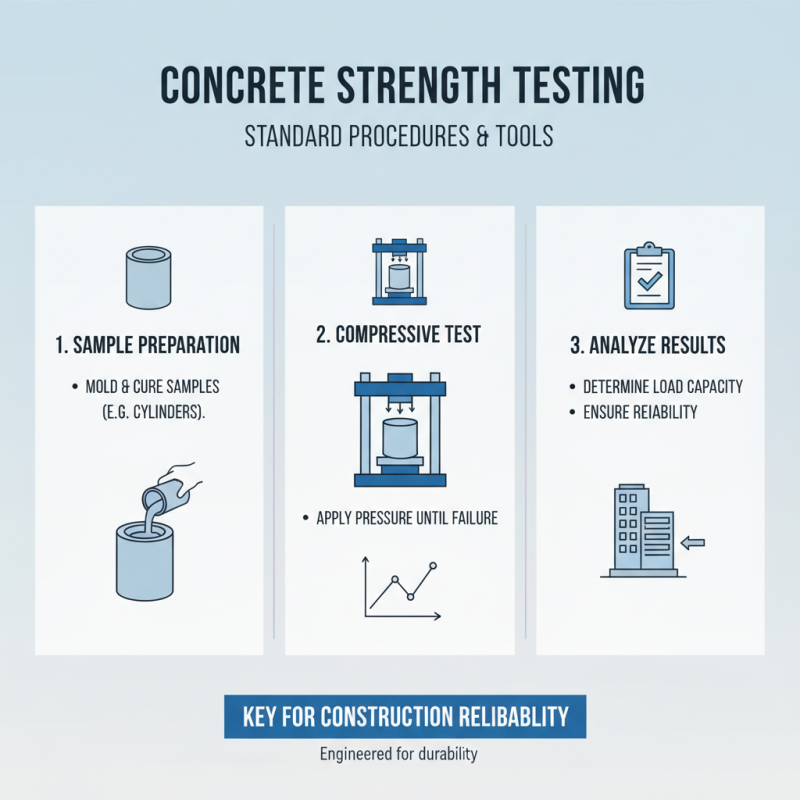
Concrete's strength is crucial for structural integrity. Proper mixing and placement techniques can significantly enhance this strength. According to the American Concrete Institute, achieving a compressive strength of over 30 MPa is desired for many construction projects. Several methods are available to optimize concrete strength effectively.
When mixing concrete, attention to water-cement ratios is vital. A lower water-cement ratio leads to higher strengths. However, too little water can result in poor workability. It’s a balancing act. Adding admixtures can also be beneficial. These materials can improve strength and workability without compromising the mixture's integrity.
Placement methods matter greatly. Proper compaction eliminates air pockets, which weakens the concrete. Vibration techniques can help achieve this. Improperly placed concrete can lead to cracking, requiring repairs. Each step in the placement process needs careful monitoring.
Tip: Use a slump test to check consistency before pouring. This can prevent disasters later on. Remember, even when following best practices, issues may arise. Every project has unique challenges that can affect outcomes. Flexibility in approach is essential. Another tip: always conduct regular strength tests to guide adjustments. Regular monitoring leads to better results over time.
Concrete Strength Improvement Techniques
Best Practices for Maintaining and Improving Concrete Durability
Improving the durability of concrete is a crucial aspect of construction. Studies show that about 40% of concrete structures exhibit signs of deterioration within the first ten years. This highlights the need for best practices in maintaining concrete integrity. Effective curing methods can enhance the hydration process. Proper curing can improve strength by up to 50%, according to the American Concrete Institute (ACI).
One significant factor in concrete durability is water-cement ratio. A lower ratio typically leads to higher strength. Reports indicate that a ratio of 0.4 is ideal for many applications. However, achieving this balance requires careful monitoring. With too much water, the mix becomes weak. In contrast, too little water makes it difficult to work with.
Adding supplementary cementitious materials, such as fly ash or slag, can also enhance longevity. These materials reduce permeability and increase resistance against environmental factors. Research has shown that using 20% fly ash can increase compressive strength over time. It’s important to understand that even with the best practices, there will always be variables to contend with. Regular inspections and assessments are essential to catch deterioration early.