What is Container Greenhouse and How Does It Work?
Container Greenhouses are gaining popularity among urban gardeners and horticulturists. These innovative structures enhance growing conditions while minimizing environmental impact. Dr. Emily Carter, a leading expert in sustainable agriculture, states, “Container greenhouses represent the future of urban farming.”
With their compact design, container greenhouses can adapt to various spaces. They allow for efficient production of vegetables and herbs in small areas, such as balconies or backyards. Yet, some may struggle with understanding the right materials and investment required. The balance between cost and benefit can be challenging.
Container greenhouses rely on unique climate control techniques. They can optimize sunlight, temperature, and humidity. However, improper setup can lead to issues, such as overheating or inadequate ventilation. Thus, careful planning is essential. Each greenhouse is an opportunity to learn and improve. Embracing these challenges fuels a gardener's growth, both literally and figuratively.
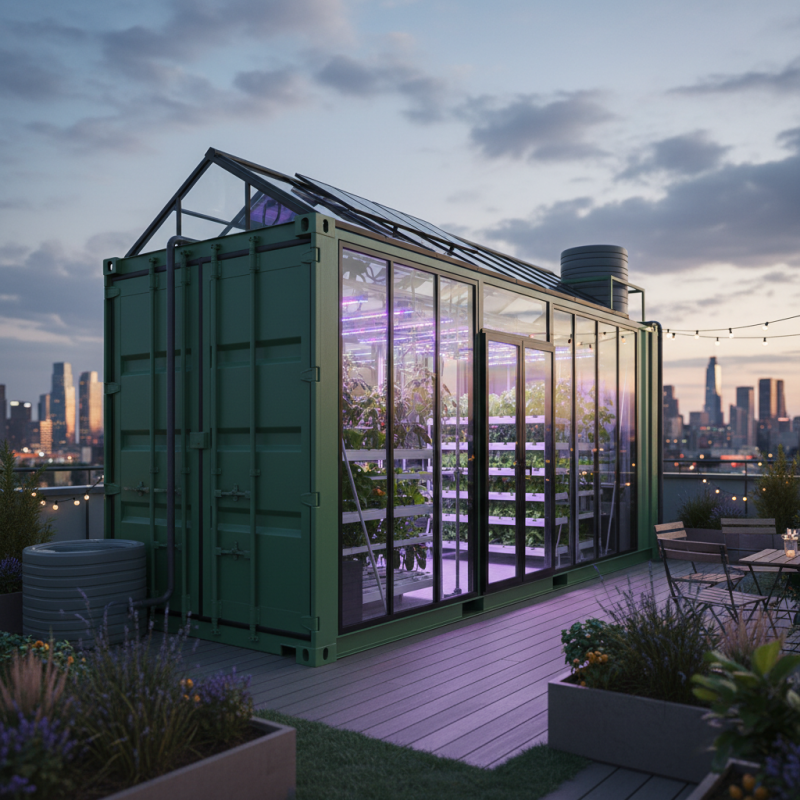
What is a Container Greenhouse?
A container greenhouse is an innovative solution for urban gardening. These structures are portable and can be placed in backyards, patios, or even on rooftops. Their design allows for efficient use of space, making them ideal for small-scale farming or hobby gardening. Container greenhouses come in various sizes, accommodating a range of plants from flowers to vegetables. The controlled environment inside promotes healthy growth by regulating temperature, humidity, and light.
Tips: Ensure your container has adequate drainage. Overwatering can harm plant roots. Regularly check for pests and disease. Early detection can save your crops.
Many find container greenhouses challenging. It requires knowledge of plant requirements and weather conditions. Beginners may struggle with maintaining the ideal environment. Mistakes like incorrect watering or inadequate sunlight can lead to failure. Reflecting on these experiences can help improve future gardening efforts.
Tips: Keep a gardening journal. Record your successes and failures. This can guide your future decisions and strategies. Experiment with different plants to find your best match.
Container Greenhouse Growth Data
This chart illustrates the average growth in centimeters of various plants in container greenhouses. The data highlights how different plants thrive in this controlled environment, with tomatoes reaching the highest average growth.
Key Components of a Container Greenhouse
Container greenhouses are becoming increasingly popular among urban farmers and hobbyists. They offer a controlled environment for plants, ensuring optimal growth. A key component of a container greenhouse is its structure. Typically made from wood, metal, or durable plastic, the frame provides essential support. Reports indicate that a sturdy structure can withstand varying weather conditions, which is crucial for plant health.
Another critical element is insulation. Good insulation helps stabilize temperatures inside the greenhouse. According to the National Sustainable Agriculture Information Service, proper insulation can reduce energy costs by up to 30%. This is significant for those looking to maintain temperature without excessive energy use. Additionally, reflective materials can enhance light penetration, promoting photosynthesis.
Ventilation systems are also vital. They maintain air circulation and regulate humidity levels. A passive ventilation system often includes vents and screens that allow air to flow naturally. However, without adequate ventilation, plants may face stress, adversely affecting growth. It is essential to regularly monitor these systems. Adjustments are often needed to optimize airflow and temperature, particularly in transitional seasons. Understanding these components can lead to more successful container greenhouse projects.
The Mechanism of How Container Greenhouses Operate
Container greenhouses are innovative tools designed to optimize plant cultivation in limited spaces. These structures operate using a closed environment, enhancing temperature, humidity, and light conditions. The result is a controlled setting that stimulates healthy plant growth. Studies estimate that container greenhouses can increase yield by up to 30% compared to traditional farming methods.
The mechanism of container greenhouses relies heavily on climate control. They often use insulation to maintain stable temperatures and prevent weather fluctuations from affecting crops. With specialized lighting systems, these greenhouses ensure plants receive adequate light, essential for photosynthesis. According to the United Nations, urban agriculture can feed 15% of the world's population, highlighting the significance of such innovations.
Tips: Monitor moisture levels regularly. Overwatering can harm plants.
Another important aspect is the use of
hydroponic systems. These allow plants to grow without soil, relying instead on nutrient-rich water. Researchers indicate that hydroponically grown crops can produce up to
50% more yield in the same space compared to conventional methods. However, the initial setup can be complex and costly, requiring thorough planning and expertise.
Tips: Research local climate conditions. This can inform the design of your greenhouse.
Advantages of Using Container Greenhouses
Container greenhouses offer unique benefits for gardening enthusiasts and commercial growers alike. They maximize space while simplifying the growing process. These portable structures can be easily relocated, allowing for optimal sunlight exposure. With their controlled environment, plants can thrive regardless of external weather conditions.
One major advantage of container greenhouses is their efficiency. They use less water compared to traditional gardens. This conservation is crucial in regions facing drought. Additionally, the compact design means less physical labor for planting and maintenance. However, it’s essential to monitor humidity levels closely, as they can fluctuate rapidly inside the container.
Another benefit is improved pest control. Container greenhouses create a barrier, limiting the access of unwanted insects. This can reduce the need for pesticides, promoting healthier growth. Yet, gardeners should be aware of the potential for fungal diseases due to excess moisture. Regular checks for air circulation and drainage can help mitigate these issues while ensuring successful crops.
Ideal Plants and Crops for Container Greenhouse Cultivation
Container greenhouses offer a fantastic opportunity for growing a variety of plants and crops in limited spaces. Their versatility makes them ideal for urban gardening. When choosing plants, consider those that thrive in contained environments. Tomatoes, peppers, and herbs are popular choices. They flourish in moderate temperatures and benefit from the controlled climate of a container greenhouse.
Leafy greens, such as lettuce and spinach, also perform well. They have short growing cycles and adapt easily to different conditions. Many gardeners find satisfaction in growing these crops since they can harvest consistently. However, it is essential to monitor moisture and nutrient levels closely. Neglecting these factors can lead to underwhelming returns.
Flowers like petunias and geraniums add beauty and attract pollinators. However, beginners often struggle with pest control. Regular checks for pests like aphids and spider mites can prevent larger infestations. Planting companion species can also enhance growth and deter unwanted insects. Choosing the right mix of plants allows for a diverse and productive container greenhouse experience.