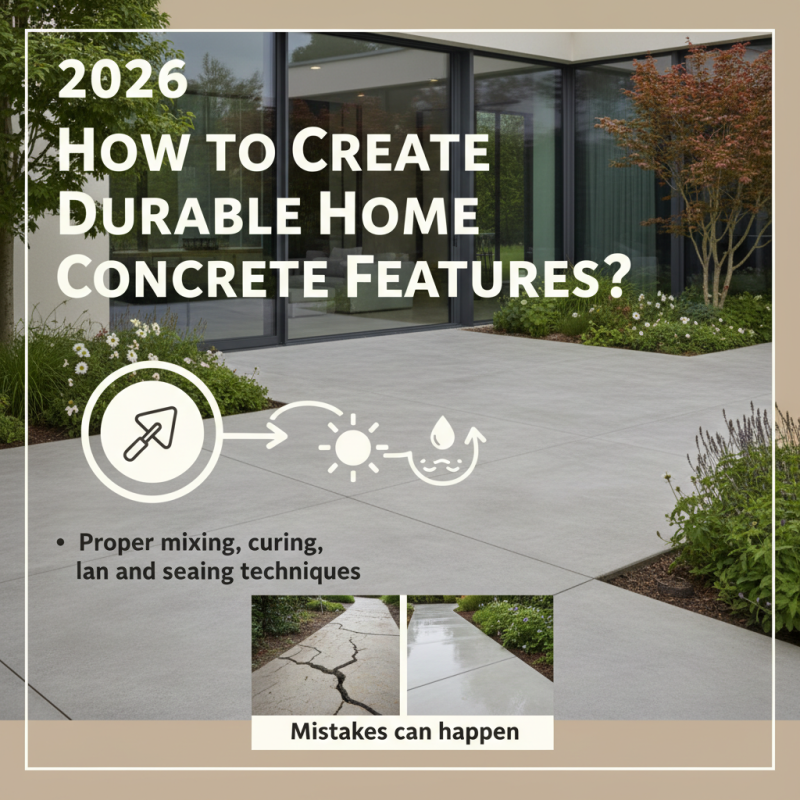
2026 How to Create Durable Home Concrete Features?
Creating durable home concrete features is essential for enhancing both functionality and aesthetic appeal. Concrete is a versatile material that can be used in various applications, including driveways, patios, and decorative elements. However, not all concrete projects are created equal. Many homeowners struggle with cracks, discoloration, and surface wear over time.
To achieve lasting results, it’s crucial to understand the factors that contribute to concrete durability. Proper mixing, curing, and sealing techniques can significantly improve the longevity of your home concrete structures. Exploring the right materials and methods often leads to a more satisfying outcome. Yet, mistakes can happen. Some homeowners rush the process or ignore local climate conditions, leading to subpar results.
It's important to embrace these challenges and learn from them. By analyzing common pitfalls and understanding the science behind concrete, you can create features that stand the test of time. With the right knowledge and techniques, your home concrete projects can shine for years to come.
Understanding the Basics of Concrete in Home Features
Concrete is a popular choice for home features due to its durability and flexibility. It’s essential to understand the basics before starting any project. The composition of concrete typically includes cement, aggregates, and water. Each component plays a crucial role in the final strength and appearance of the feature. Mixing them correctly can make a significant difference.
When creating concrete features, the preparation of the site is vital. Ensure the ground is level and stable. Using forms to shape the concrete can help achieve desired designs. The curing process is equally important. If not done properly, the concrete may crack or weaken over time. Pay attention to the weather as well. High temperatures can dry out concrete too quickly.
While concrete is durable, it's not immune to imperfections. Small cracks may emerge over time. Regular maintenance can extend the lifespan of your features. Reflecting on your experience with concrete can lead to better techniques in future projects. Understanding the material’s behavior is key to creating lasting structures.
Choosing the Right Materials for Durable Concrete Projects
Creating durable concrete features for your home begins with selecting the right materials.
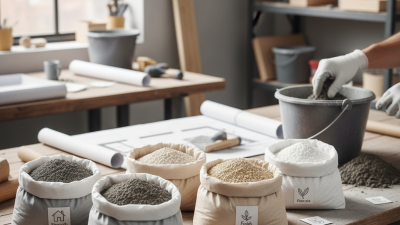
High-quality aggregates, such as gravel or crushed stone, contribute to the concrete's strength.
Consider using Portland cement, known for its excellent binding properties.
Don’t forget about the water-to-cement ratio. Too much water can lead to weakness, so balance is key.
Tips: Always measure materials accurately for consistency.
Use a concrete mix that matches your project requirements. Avoid overly dry or wet mixtures to ensure durability.
Reinforcement is also important. Incorporating steel rebar or wire mesh can prevent cracks and improve stability.
However, careful placement is crucial. If rebar is too close to the surface, it can corrode over time.
Evaluate your design and adjust accordingly, even if it feels inconvenient.
Tips: Regularly check your work for alignment. If you notice any cracks forming, take action quickly.
Temporary fixes might not be effective long-term, and delaying repairs can compound issues.
Prioritize quality at every step of the process.
Step-by-Step Guide to Preparing Your Site for Concrete Installation
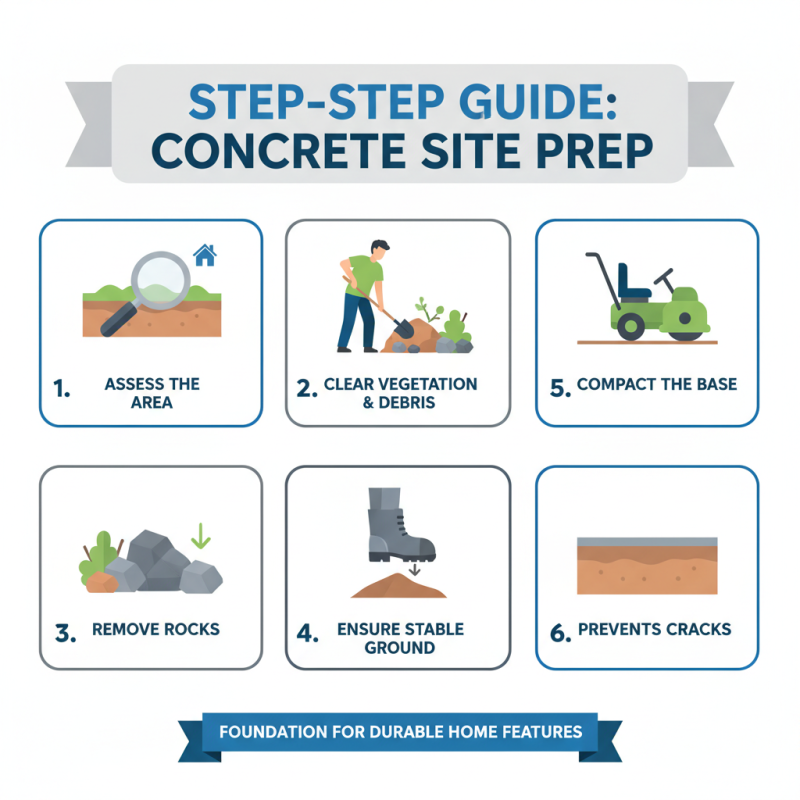
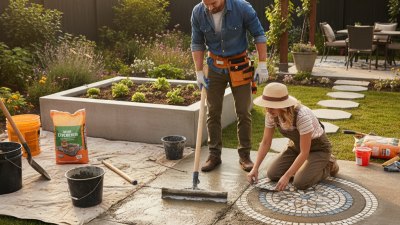
Preparing your site for concrete installation is crucial. It sets the foundation for durable home features. Begin by assessing the area where the concrete will be poured. Clear away any vegetation, debris, or rocks. Ensure the ground is stable and compact. A soft or unstable base can lead to cracks down the line.
Next, check the drainage of the site. Water pooling can undermine the concrete. Create a slope away from your planned installation. This small detail can prevent larger issues later on. If necessary, use a sub-base of gravel or crushed stone for added stability. This helps with drainage too.
Consider your formwork before pouring concrete. Build sturdy frames to hold the mixture in place. Proper measurements are essential for getting the right dimensions. Remember to account for expansion joints if your project covers a larger area. It’s easy to overlook these, but they are vital for long-term durability.
Techniques for Mixing and Pouring Concrete Effectively
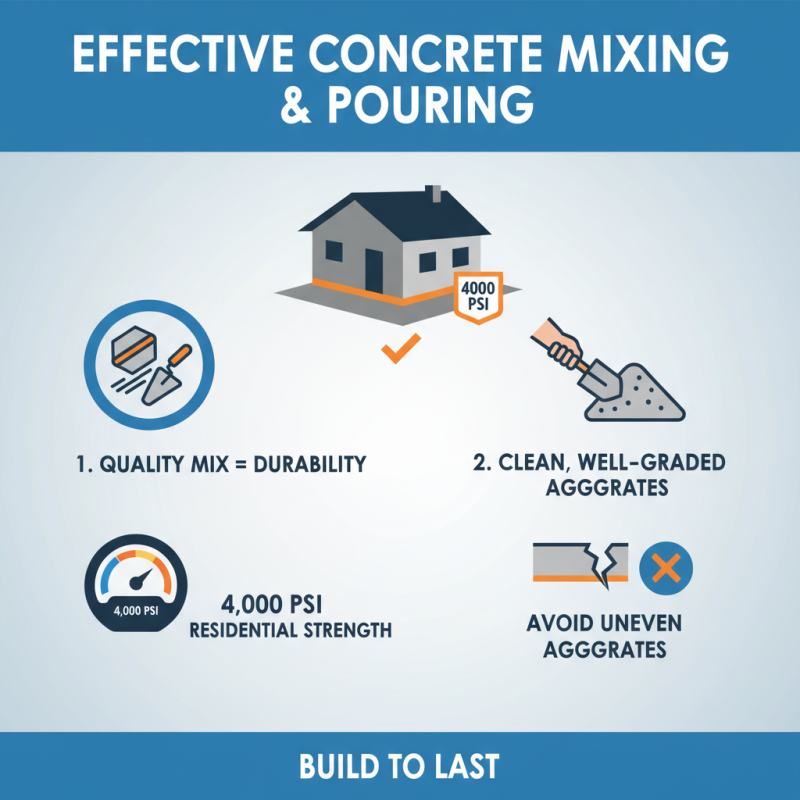
When mixing concrete, the quality of your mix can determine the durability of your home features. Industry studies suggest that a strength of 4,000 psi is ideal for residential applications. This strength ensures long-lasting structures that can withstand various environmental stresses. Use clean, well-graded aggregates to achieve the best results. Uneven aggregates can lead to weak points in your concrete.
Tip: Always measure your materials carefully. A common mistake is adding too much water. This leads to a weaker mix.
Pouring is just as crucial as mixing. Start by ensuring that the area is well-prepared. Remove debris and level the ground. A stable base reduces cracking and shifting over time. Pour the concrete in layers if you’re working on a large feature. This helps in achieving a more uniform thickness and strength. The optimal pouring technique prevents air pockets, which could weaken the final product.
Tip: Experiment with the timing. Pouring on a hot day can cause rapid drying, impacting strength. Cooling the surface can lead to better curing.
Consider factors like temperature and humidity during mixing and pouring. Too cold or hot conditions can affect the curing process significantly. Adjusting your methods based on these elements is essential for lasting quality.
Finishing and Curing Methods for Long-lasting Concrete Features
When creating durable concrete features for your home,
finishing and curing methods play a crucial role. According to the Portland Cement Association,
using proper finishing techniques can enhance the concrete's appearance and durability.
Techniques like floating and troweling help
to compact the surface, which reduces porosity. This is vital because porous concrete can lead
to water infiltration, compromising the integrity of your structures over time.
Curing is equally important. A study by the International Journal of Concrete Structures and Materials
indicates that proper curing can increase concrete strength by up to 50%. Curing methods,
such as wet curing or using curing compounds, keep the concrete moist, allowing it to hydrate effectively.
This process typically needs to last at least seven days for optimal results. Rushing this
can create a brittle surface that might crack under stress.
Real-world applications show that even minor mistakes can lead to significant issues. For instance,
inadequate curing might create surface defects, which could lead
to costly repairs later. Understanding these nuances is essential for anyone aiming to create long-lasting
concrete features. The details matter, and overlooking them can result in a subpar outcome,
reminding us why attention to finishing and curing is paramount.