Top Home Concrete Trends for 2026 What Buyers Need to Know
As the demand for innovative home improvement solutions rises, the home concrete industry stands at the forefront of creativity and functionality. In 2026, buyers need to be aware of the latest trends shaping this sector. According to a recent report by the Concrete Industry Association, the home concrete market is projected to grow by 7.5% annually. This growth reflects a broader interest in sustainable landscaping and durable aesthetics.
Industry expert Dr. Jane Holloway states, "Home concrete isn't just about strength—it's about artistry and sustainability." Her insight underlines the shift towards decorative concrete solutions that appeal to eco-conscious homeowners. Advances in technology are now enabling a variety of designs, from polished finishes to intricate patterns, making concrete a sought-after material for home projects.
However, challenges remain. Not all homeowners are aware of the environmental impact of concrete production. Inadequate knowledge can lead to poor choices that affect both the home and the planet. It's crucial for buyers to stay informed and collaborate with reputable professionals in the home concrete field to ensure their projects are both beautiful and sustainable.
Emerging Concrete Designs: A Look Ahead to 2026
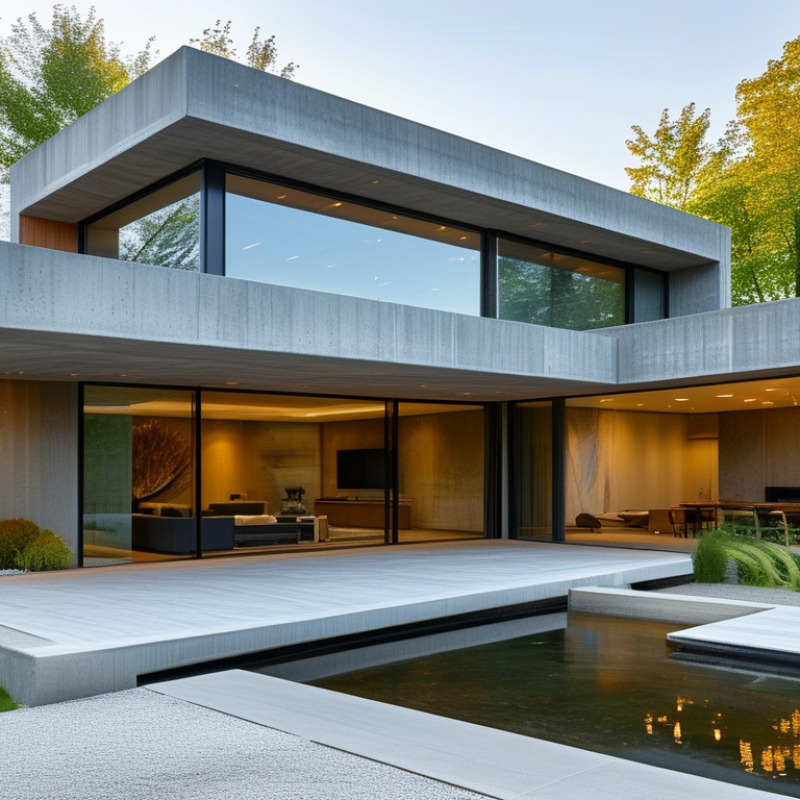
As we look ahead to 2026, concrete designs are evolving rapidly. The trends showcase innovative textures and colors that elevate modern aesthetics. Homeowners are increasingly drawn to eco-friendly options, integrating sustainable materials without compromising style. This shift reflects a greater awareness of environmental impact and personal design preferences.
Incorporating decorative concrete can redefine spaces. Think about polished finishes or stamped patterns that mimic stone. These choices add character and elegance. Also, consider mixing concrete with natural elements like wood and plants. This fusion creates a beautiful contrast that can soften the hard edges of concrete.
Tip: When selecting concrete designs, prioritize functionality along with aesthetics. For example, rough surfaces can improve grip outdoors. Further, not all colors or textures will suit your home’s architecture. Test samples before committing to a larger project to ensure they fit your vision. Remember, finding the right balance between innovative design and practical use is key.
Sustainable Practices in Home Concrete Construction
As homeowners increasingly prioritize sustainability, the concrete industry is evolving. According to a recent report by the Global Cement and Concrete Association, around 40% of global carbon emissions come from cement production. This has led to innovative practices in home concrete construction. Builders are turning to recycled materials, such as reclaimed aggregates, which can significantly reduce the carbon footprint associated with new concrete mixes.
Moreover, the use of alternative cements is gaining traction. These cements often use less energy during production, which can cut emissions by 20% to 30%. For instance, geopolymer concrete is being investigated for its potential lower environmental impact. Despite the evident benefits, adopting these materials can challenge traditional construction methods. Some builders may find it difficult to secure the same level of reliability and performance as conventional options.
Addressing water usage is another crucial aspect. Concrete production is water-intensive, consuming millions of gallons daily. Techniques like water recycling for mixing and curing are increasingly implemented. Yet, many contractors still overlook these methods. Embracing such practices can elevate not only sustainability but also overall construction efficiency. The shift toward sustainable concrete is not just a trend; it’s a necessary step for a greener future in home construction.
Top Home Concrete Trends for 2026: What Buyers Need to Know - Sustainable Practices in Home Concrete Construction
| Trend |
Description |
Benefits |
Sustainability Impact |
| Recycled Concrete |
Using crushed concrete from demolished structures to create new concrete. |
Cost-effective and supports circular economy. |
Reduces landfill waste by 30% or more. |
| Green Sealers |
Eco-friendly sealants that protect concrete without harmful chemicals. |
Enhanced durability and aesthetic appeal. |
Minimizes VOC emissions, promoting healthier indoor air quality. |
| Low-Carbon Concrete |
Concrete formulations that use less cement or alternative materials. |
Lower carbon footprint and potential cost savings. |
Can reduce carbon emissions by up to 50%. |
| Permeable Concrete |
Concrete designed to allow water to flow through, reducing surface runoff. |
Reduces flooding risks and promotes groundwater recharge. |
Helps manage stormwater sustainably. |
| 3D-Printed Concrete |
Using 3D printing technology to create complex concrete structures. |
Precision in design and reduced material waste. |
Limits over-extraction of natural resources. |
Innovative Finishes and Textures for Modern Homes
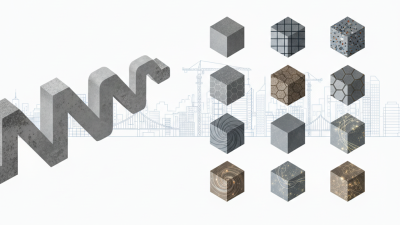
The world of concrete finishes is evolving rapidly, with innovative textures defining modern home aesthetics in 2026. Recent industry reports indicate that about 70% of homeowners prioritize unique design elements when choosing concrete finishes. These modern aesthetics often include polished surfaces, exposed aggregates, and micro-topping techniques. Each finish presents its own set of challenges and considerations, making it essential for buyers to navigate these options carefully.
Textures such as stamped or stained concrete are gaining popularity. Stamped options mimic the appearance of brick or stone at a fraction of the cost. Stained concrete adds a richness that transforms dull gray slabs into vibrant surfaces. A study revealed that 43% of homeowners are exploring eco-friendly concrete finishes, which incorporate recycled materials. While these choices are stylish and sustainable, they can sometimes require more maintenance than traditional finishes, prompting buyers to weigh their long-term commitments.
Smooth and sleek finishes are perfect for contemporary designs. However, these surfaces can be slippery, especially when wet. A significant portion of concrete installations now incorporates anti-slip aggregates, addressing safety concerns. Transparency about these issues is critical for homeowners. As buyers embrace these evolving trends, they should remain informed and consider all aspects of durability and maintenance.
Smart Technology Integration in Concrete Applications
As the concrete industry evolves, integrating smart technology becomes essential. In 2026, homes will leverage smart solutions to enhance durability and efficiency. According to a recent industry report, the adoption of smart materials can improve concrete longevity by up to 30%. This trend signifies a shift towards more sustainable building practices.
Smart technology enables real-time monitoring of concrete conditions. Sensors embedded in concrete can track moisture levels, temperature changes, and structural integrity. This data aids contractors and homeowners in making informed maintenance decisions. However, some smart solutions face interoperability issues, making integration complex.
Tip: Consider consulting professionals before choosing smart technology. Understand the specific needs of your project. Evaluate potential upfront costs versus long-term savings.
Moreover, aesthetic enhancements through technology are gaining traction. Advanced printing methods allow for unique designs etched into concrete surfaces. This innovation can elevate a home's visual appeal but may require careful power and cost management.
Tip: Explore various design options with concrete experts. Ensure that any technology chosen aligns with your design goals. Assess any trade-offs between functionality and aesthetics.
Top Home Concrete Trends for 2026
Cost Considerations and Value of Future Concrete Trends
The home concrete market is evolving rapidly. According to recent industry reports, innovative concrete solutions are predicted to increase in demand, driven by sustainability and aesthetic needs. The cost of quality concrete installations ranges between $7 to $12 per square foot, depending on the complexity and customization. Buyers should prepare for potential price fluctuations in materials, influenced by supply chain shifts and global demand.
One trend to watch is the rise of permeable concrete. This type allows water to drain through, reducing runoff and promoting sustainability. While it may cost more upfront, long-term savings on water management can be substantial. Research states that permeable pavements can lower urban flooding risks and provide significant environmental benefits. This is critical as climate challenges increase across regions.
Additionally, the integration of smart technology is gaining traction. Concrete structures are now being embedded with sensors for structural health monitoring. However, initial installations can be costly, averaging $15 to $25 per square foot. This investment raises questions about long-term benefits versus immediate costs. Buyers must weigh these options carefully, relying on thorough assessments and expert advice to make informed decisions.