What is Mixed Concrete and How to Choose the Right Type?
Mixed concrete plays a vital role in construction. It refers to a blend of cement, water, aggregates, and sometimes additives. The right type of mixed concrete can significantly impact a project’s strength and longevity.
Choosing the appropriate mixed concrete requires an understanding of its various types. Each mix has unique properties suited for different applications. For instance, some mixes are designed for high durability, while others prioritize workability. Knowledge about these differences can guide builders in making informed decisions.
However, not every contractor understands mixed concrete's nuances. Missteps in selection can lead to structural issues or increased costs. It is essential to reflect on past mistakes to avoid repeating them. A thorough evaluation of the project’s needs can enhance both quality and efficiency.
Understanding Mixed Concrete: Definition and Components
Mixed concrete is a blend of several key components. Its main ingredients include cement, aggregates, water, and sometimes additives. Each element plays a crucial role. Cement acts as the binding agent. Aggregates provide volume and strength. Water activates the cement, beginning the hardening process. Additives can improve specific properties, like workability or curing time.
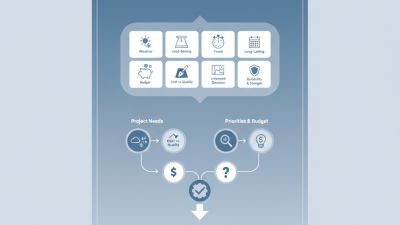
Choosing the right type of mixed concrete is essential for any project. Factors like climate, load requirements, and exposure conditions influence your choice. For instance, in colder regions, you may need concrete with higher frost resistance. In densely populated urban areas, durability and load-bearing capacity are vital. Reflect on your project's unique challenges before selecting the concrete mix. The decision may not be straightforward. Some mixes offer advantages in one area but may underperform in another. Weigh your options carefully for the best outcome.
Types of Mixed Concrete and Their Unique Properties
When selecting mixed concrete, understanding the types available is crucial. Different mixtures serve distinct purposes. For instance, standard concrete is versatile, suitable for various applications. Its strength and durability make it ideal for sidewalks and driveways. However, it may not perform well under extreme weather conditions.
Another option is high-strength concrete. This type is designed for heavy load-bearing structures, like bridges or high-rise buildings. Its composition often includes supplementary cementitious materials, enhancing performance. Yet, it can be more challenging to work with due to its quick setting time and specific mixing requirements.
Lightweight concrete is another interesting choice. It contains aggregates that reduce its weight while maintaining structural integrity. This type is beneficial for projects where minimizing the load on foundations is essential. It’s crucial to remember that while these options provide unique benefits, they also come with
limitations. Careful consideration of the project requirements will lead you to the right type. Balancing performance and feasibility is key in mixed concrete selection.
Factors to Consider When Choosing Mixed Concrete
Choosing the right type of mixed concrete involves several important factors. First, consider the strength requirements of your project. Different applications need different compressive strengths. For example, residential projects may require lower strengths than heavy-duty commercial structures. Understanding the workload on your concrete helps prevent future cracks and failures.
Next, evaluate the environmental factors that may affect your concrete. Is it exposed to extreme weather? Will it be submerged in water? These conditions can alter the performance of mixed concrete. You might require additives or special mixes to enhance durability.
Also, think about the workability of the concrete. Complex projects often need a mix that can flow easily into molds and around reinforcements. Testing smaller batches can save time and money. Remember, not every mix will work in every scenario. Mistakes can happen if the wrong type is chosen. Reflecting on past experiences can guide you to make better decisions in the future.
Industry Standards and Specifications for Quality Mixed Concrete
When selecting the right type of mixed concrete, industry standards play a vital role. The American Concrete Institute (ACI) states that concrete should meet specific compressive strength requirements. Typically, this is measured in pounds per square inch (psi). For residential applications, a strength of 2,500 to 3,000 psi is often sufficient. Meanwhile, commercial structures usually require a higher rating, often between 4,000 to 6,000 psi.
Quality mixed concrete also adheres to guidelines set by ASTM International. They provide specifications, such as ASTM C94, which outlines the properties and production of ready-mixed concrete. This ensures a consistent mixture of cement, aggregates, and water. Aggregate grading directly impacts the strength and durability of concrete. According to the Portland Cement Association, poorly graded aggregates can lead to weak concrete.
Understanding water-to-cement ratios is crucial. Atypical ratios, such as higher water content, dilute the mixture, making it susceptible to cracking. It's essential to test samples for durability and performance according to ACI guidelines. Reflecting on the nuances of concrete selection reveals the critical need for proper assessments. Misjudgments can lead to serious structural issues. Therefore, knowledge and adherence to industry standards ensure a robust foundation for any construction project.
Applications of Mixed Concrete in Construction Projects
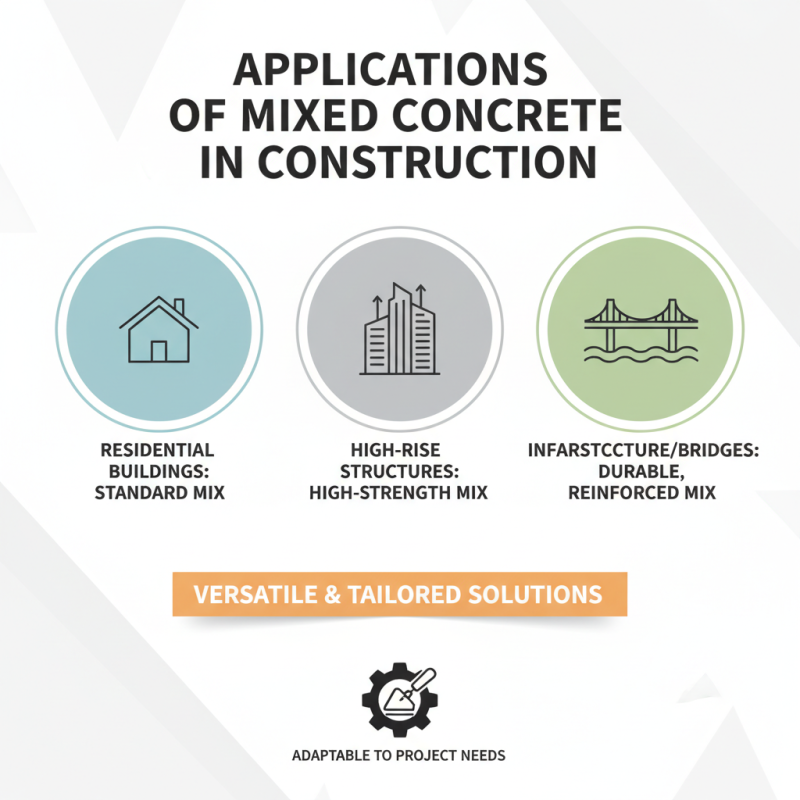
Mixed concrete plays a crucial role in various construction projects. It is versatile and can be tailored for specific needs. For instance, in residential buildings, a standard mix often suffices. However, for high-rise structures, a different formulation may be required to support increased loads.
In infrastructure projects, such as bridges and roads, the concrete mix needs special additives. These additives enhance durability against environmental factors. Projects exposed to extreme weather may benefit from a water-resistant mix. Understanding project requirements is vital for selecting the proper type of mixed concrete.
Different types of aggregates also impact the final product's strength. Using recycled aggregates can be cost-effective but may require careful evaluation. Balancing sustainability and performance can be challenging. Some choices may lead to unforeseen issues, revealing the importance of thorough testing. Ultimately, the right mixed concrete ensures structural integrity and longevity while meeting project specifications.