2025 How to Optimize Portland Cement Production for Sustainable Construction
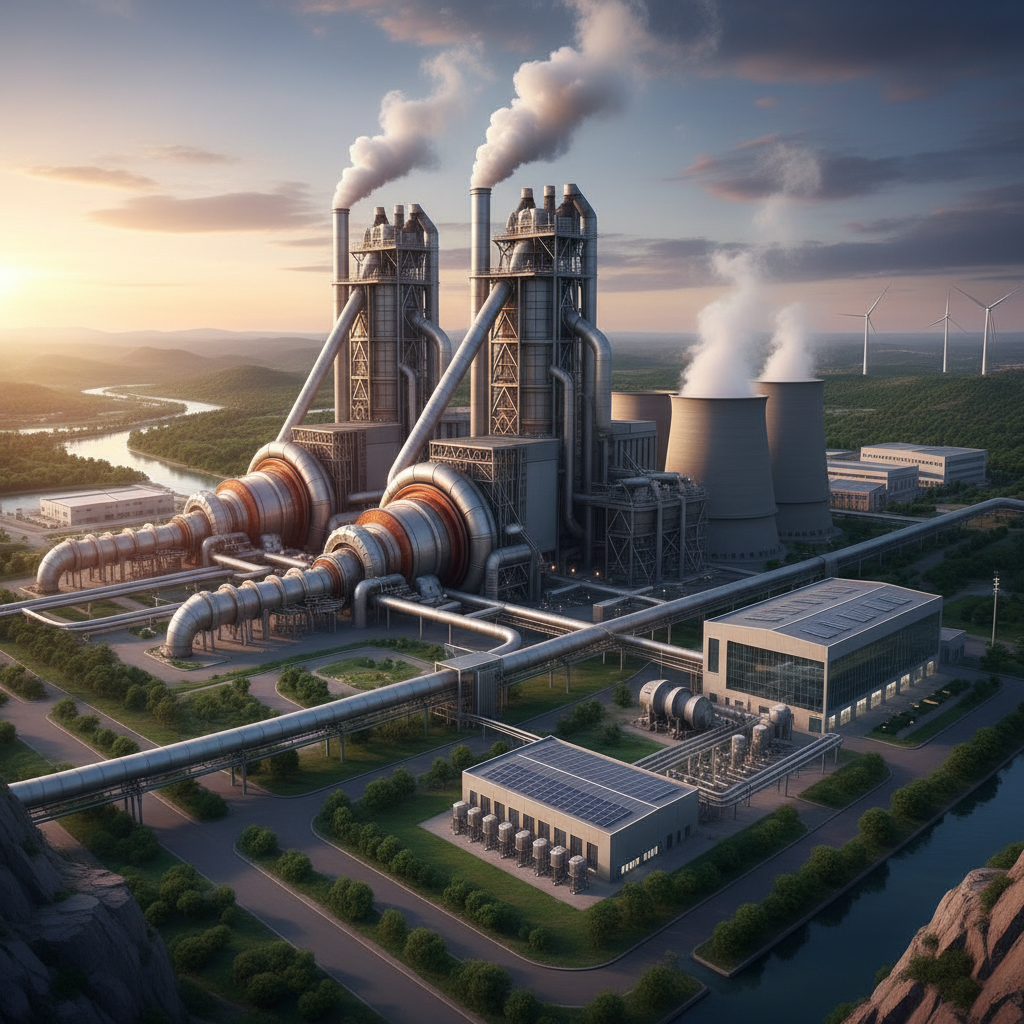
The production of Portland cement is a crucial component of the global construction industry, responsible for 7% of global carbon dioxide emissions according to the International Energy Agency. As the demand for environmentally sustainable building materials grows, there is a pressing need for optimizing production processes to minimize ecological impact. In a recent report by the Global Cement and Concrete Association, it was highlighted that innovative practices in cement production could lead to a 20-30% reduction in emissions by 2030, setting a benchmark for the industry.
One notable expert in this field, Dr. Emily Johnson, a leading researcher at the Cement Sustainability Initiative, emphasizes the importance of this transition, stating, "Sustainable practices in Portland cement production are not just a regulatory requirement but a moral imperative for future generations." Addressing the sustainability challenges associated with Portland cement requires a multifaceted approach that encompasses technological advancements, alternative materials, and an integrated supply chain strategy. By focusing on optimizing Portland cement production, we can pave the way for a greener and more sustainable construction industry.

Innovative Techniques in Portland Cement Production for Environmental Efficiency
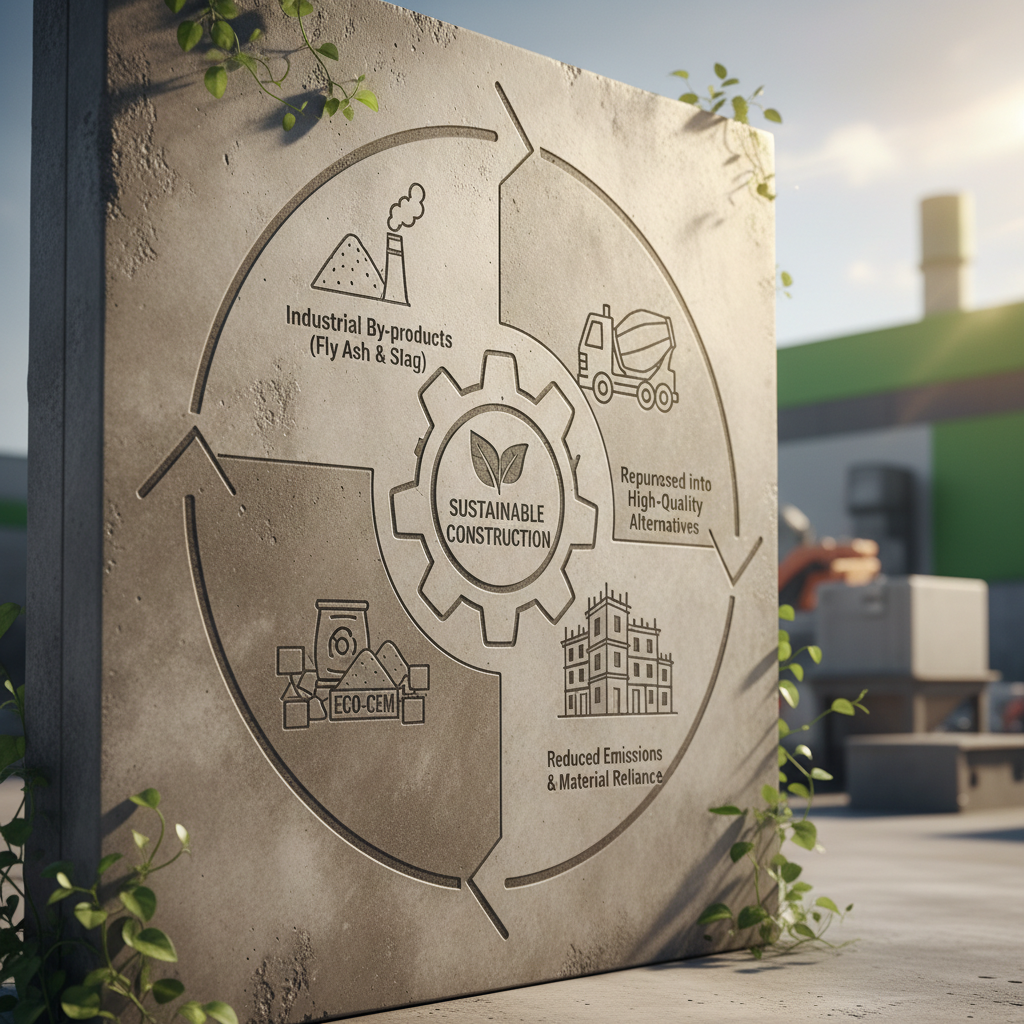
Innovative techniques in Portland cement production are essential for enhancing environmental efficiency in construction. One way to achieve this is through the adoption of alternative raw materials and fuels. By utilizing industrial by-products like fly ash or slag, cement manufacturers can significantly reduce their carbon footprint while maintaining the quality and performance of the final product. These materials not only diminish the reliance on virgin resources but also contribute to waste reduction in other industries.
Tips for implementing these techniques include establishing partnerships with local industries that produce suitable by-products and investing in research to optimize the blending process. Additionally, adopting energy-efficient technologies, such as using waste heat recovery systems, can lead to substantial reductions in energy consumption during production. Another key approach is to implement carbon capture and storage (CCS) technologies, which can help mitigate emissions and support a circular economy in construction.
Furthermore, engaging in continuous training for staff on sustainable practices and innovative technologies can enhance the overall efficiency of cement production. It's crucial for companies to stay updated with the latest advancements in the industry to remain competitive while prioritizing environmental sustainability.
Utilizing Alternative Materials to Reduce Carbon Footprint in Cement Manufacturing
The production of Portland cement is a significant contributor to greenhouse gas emissions, prompting a critical need for sustainable practices in the construction industry. One effective approach to reduce the carbon footprint in cement manufacturing is the incorporation of alternative materials. By blending traditional cement with industrial by-products such as fly ash, slag, and silica fume, manufacturers can significantly decrease the amount of clinker required in the production process. This not only conserves natural resources but also utilizes waste materials that would otherwise contribute to environmental degradation.
In addition to using alternative materials, enhancing the efficiency of the manufacturing process plays a pivotal role in sustainability. Innovations such as carbon capture technology and alternative firing methods can further mitigate emissions linked to traditional cement production. By adopting renewable energy sources for energy-intensive stages, such as grinding and heating, cement producers can create a greener production cycle. Embracing these strategies not only aligns with global sustainability goals but also meets the increasing demand from consumers and regulators for environmentally responsible construction materials.
2025 Optimization of Portland Cement Production for Sustainable Construction
This chart illustrates the impact of utilizing alternative materials on the carbon footprint in cement manufacturing. It compares traditional Portland cement production with sustainable practices by incorporating materials like fly ash, slag, and natural pozzolans.
Implementing Energy-Efficient Processes to Enhance Sustainability in Cement Plants
The cement industry is responsible for approximately 8% of global carbon dioxide emissions, making the optimization of production processes crucial for sustainability. To enhance energy efficiency in cement plants, several advanced technologies have been developed. For instance, the adoption of waste heat recovery systems can significantly reduce energy consumption by capturing excess heat from kilns, making it available for power generation or pre-heating raw materials. According to the International Energy Agency, implementing such systems can result in energy savings of up to 30%.
Another promising approach is the incorporation of alternative fuels, such as biomass, industrial by-products, and even municipal solid waste. The use of these fuels not only mitigates the environmental impact by reducing reliance on fossil fuels but can also lead to cost savings. A report by the Global Cement and Concrete Association states that utilizing alternative fuels can replace over 30% of traditional fossil fuel use in cement production, further contributing to lower carbon emissions. By investing in these energy-efficient processes, cement plants can play a pivotal role in the transition towards more sustainable construction practices and a circular economy.
Advancements in Recycling and Waste Minimization within the Cement Industry
The cement industry is at a pivotal point where advancements in recycling and waste minimization play a crucial role in promoting sustainable construction practices. Traditional cement production is resource-intensive, often leading to significant carbon emissions and waste generation. However, innovations in the reprocessing of industrial by-products, such as fly ash and slag, demonstrate how the industry can repurpose waste materials into high-quality cement alternatives. These strategies not only reduce the reliance on virgin raw materials but also contribute to lower greenhouse gas emissions, aligning with global sustainability goals.
Additionally, implementing circular economy principles within cement production can significantly enhance waste minimization. By developing closed-loop systems where waste from one process is used as a resource in another, cement manufacturers can create a more sustainable production model. For example, utilizing demolition waste not only minimizes landfill use but also provides valuable input for new cement formulations. As advancements continue, the integration of advanced technologies like artificial intelligence and IoT will further optimize material efficiencies, driving the industry closer to achieving truly sustainable construction practices.
Strategies for Enhancing Supply Chain Management to Promote Sustainable Cement Use
In the pursuit of sustainable construction, enhancing supply chain management for Portland cement production is critical. The transition toward sustainable cement use requires a multifaceted approach that includes robust supply chain strategies. By integrating sustainable supply chain management practices, companies can significantly reduce their emissions and energy consumption, addressing one of the industry's most pressing challenges. Notably, companies that align their operations with environmental goals are likely to see improved performance, driven by stakeholder pressure and evolving market demands.
To effectively promote sustainability, firms can adopt strategies like rail-based transportation and innovative material sourcing, as seen in recent partnerships aimed at reducing the carbon footprint. Leveraging technology to create a microgrid-based supply chain can also optimize energy efficiency, providing a pathway for decarbonization. These practices not only contribute to lowering emissions but also foster resilience in the supply chain, enabling businesses to navigate uncertainties in the market while meeting sustainability commitments.