How to Properly Mix Cement at Home for DIY Projects?
Mixing cement at home can seem daunting. However, with the right approach, it becomes an achievable DIY task. Whether you're planning to build a small garden path or repair a cracked walkway, understanding how to mix cement properly is crucial. Properly mixed cement ensures strength and durability in your projects.
Gathering materials is the first step in the process. You will need cement, sand, water, and a mixing container. Remember to measure your ingredients accurately. The consistency of the mix plays a crucial role in its effectiveness. A mix that is too dry will crumble, while one that is too wet will weaken your project.
Keep in mind that mixing cement at home can be messy. It's easy to spill or overuse materials. You may not get it right on your first attempt. Don’t be discouraged; learning from mistakes is part of the DIY journey. The goal is to achieve a strong, workable mix to enhance your projects.
Essential Tools and Materials Needed for Mixing Cement at Home
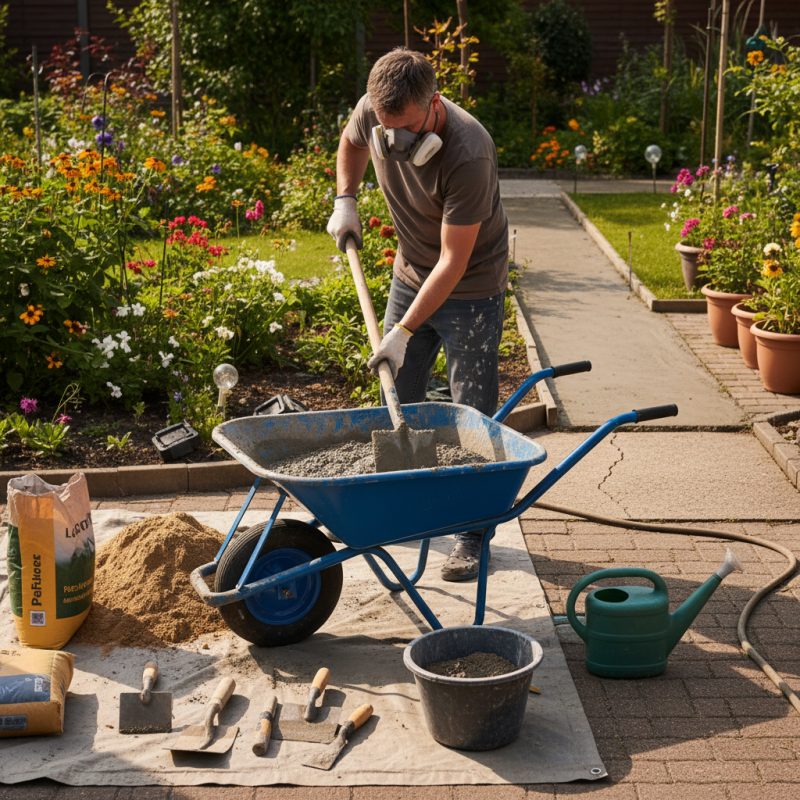
Mixing cement at home can be a fulfilling DIY task. To achieve the best results, it's crucial to gather the right tools and materials. An electric drill with a mixing paddle is often ideal. A wheelbarrow or mixing tub allows for easy transport. A shovel, trowel, and water bucket complete the basic kit. According to the Portland Cement Association, using the right proportions is key. A typical mix ratio is 1 part cement, 2 parts sand, and 3 parts gravel.
One might overlook weighing ingredients. However, precision greatly affects strength. Using a digital scale can mitigate miscalculations. Water is another critical factor. Generally, adding too little results in cracks, while too much can weaken the mix. Maintaining a water-to-cement ratio of around 0.5 is recommended for optimal performance.
Not all projects go as planned. Humidity and temperature can impact curing times. If you mix on a rainy day, consider covering your project. Improper mixing techniques can lead to air pockets. These may compromise the integrity. Regularly review your methods to improve your next mix.
Understanding the Different Types of Cement and Their Uses
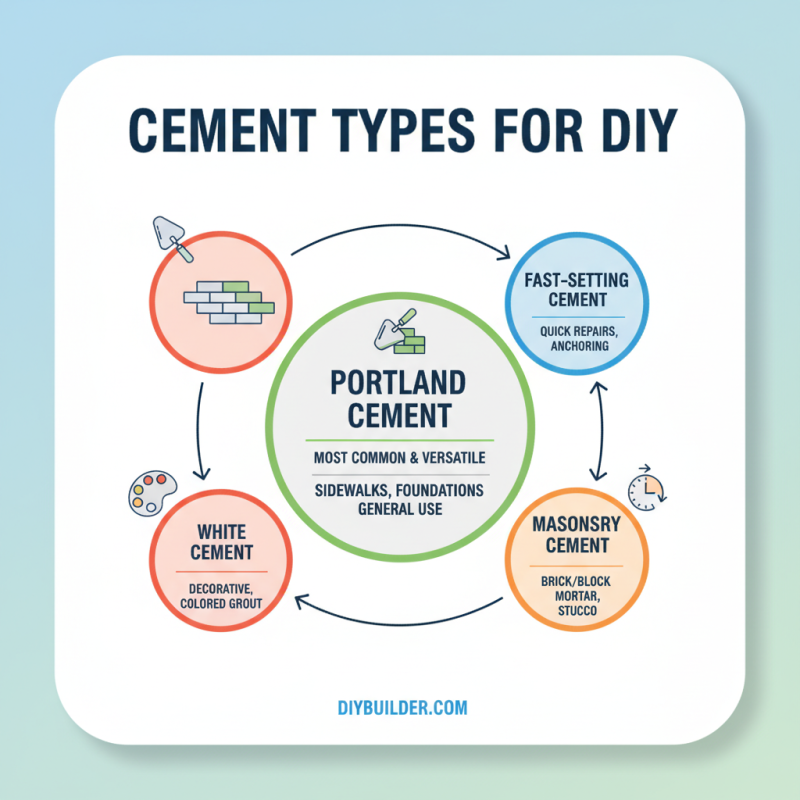
Cement comes in various types, each suited for specific projects. Understanding these types can make your DIY tasks simpler. Portland cement is the most common. It’s versatile and used for many applications. From sidewalks to foundations, its uses are broad and dependable.
Another type is masonry cement. This is ideal for bricklaying and stone projects. It mixes with sand and water to create a strong bond. You might wonder how it performs in rainy climates. Using it in wet conditions requires extra caution to avoid damage.
Specialty cements are also available, like rapid-set cement. This type cures quickly, allowing you to finish projects in a day. However, it can be tricky to work with. You must mix it accurately and pour without delays. Keeping all these factors in mind can lead to better results. Mistakes can happen, but they teach valuable lessons.
Step-by-Step Guide to Properly Mixing Cement for DIY Projects
Mixing cement for DIY projects can seem daunting, but it doesn’t have to be. Start by gathering your materials: cement, sand, gravel, and water. Use a mixing container or wheelbarrow. Make sure to wear gloves and a mask for safety. Measure out the right ratio, typically 1 part cement to 2 parts sand and 3 parts gravel. Mix these dry ingredients thoroughly first. The consistency is key.
After blending the dry mix, create a small well in the center. Slowly add water. Use just enough to achieve a workable paste. Check the texture; it should not be too runny. If it is, add more dry mix. If it's too thick, add a touch more water. This part requires patience. Many beginners rush, causing flaws.
Reflection helps too. Consider your surface—will it be level? How will it cure? Mistakes can happen, like uneven mixing or too much water. Take your time and adjust as needed. Mixing cement is an art. You’ll learn with experience. Enjoy the process!
Tips for Ensuring the Right Consistency and Quality of Mixed Cement
Mixing cement for DIY projects requires attention to detail. Start with the right materials. Use Portland cement, clean sand, and gravel. Measure each ingredient carefully. A common ratio is three parts sand to one part cement. This mix ensures strength.
Consistency is key. Mix the dry ingredients thoroughly before adding water. Gradually add water until you achieve a smooth paste. Avoid rushing this step. Too much water can weaken the mix. It's a delicate balance. Don’t hesitate to adjust, but be cautious not to overcorrect.
As you work, keep an eye on the texture. It should be thick but workable. If it’s too dry, it may crumble. If too wet, it’ll lose its strength. Take your time to test the consistency. You might need to reflect on your mix after a few tries. Sometimes, the first attempt won’t be perfect, and that’s okay.
How to Properly Mix Cement at Home for DIY Projects
| Material |
Ratio |
Water Amount (liters) |
Consistency Type |
Use Case |
| Cement |
1 part |
0.5 |
Dry mix |
Small repairs |
| Sand |
2 parts |
1 |
Sandy mix |
Paving |
| Gravel |
3 parts |
1.5 |
Coarse mix |
Concrete slabs |
| Water |
- |
0.5-0.75 |
Fluid mix |
Pouring |
| Additives |
As needed |
N/A |
Enhanced mix |
Special projects |
Common Mistakes to Avoid When Mixing Cement for Home Projects
Mixing cement at home can seem straightforward, but many make common mistakes that lead to unsatisfactory results. One frequent error is not measuring materials correctly. Even a slight variation in the ratio of cement, sand, and water can alter the strength and finish of the mix. Use a scale or measuring bucket to achieve consistency. It’s easy to estimate, but doing so can compromise your project.
Another mistake is adding too much water. A soupy mix might seem appealing, but it weakens the cement. Aim for a texture similar to peanut butter. If your mix is too dry, you can always add a little water. Small adjustments can make a significant difference. Don't rush this process; patience pays off.
Failing to mix thoroughly is another pitfall. Inadequate mixing can lead to clumps of dry material. These clumps can weaken your structure and ruin your hard work. Take the time to blend everything properly. It’s tempting to skip steps to save time, but this could result in needing to redo parts of your project. Mixing cement properly is key to a successful DIY outcome.
Common Mistakes to Avoid When Mixing Cement for DIY Projects