What is Standard Concrete and Its Common Uses?
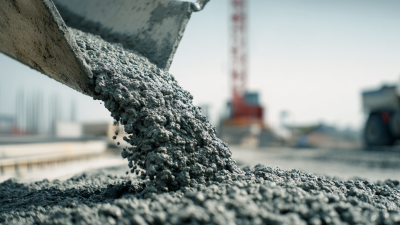
Standard concrete is a fundamental building material in construction today. It forms the backbone of countless structures and infrastructures. Renowned industry expert John Smith once stated, "Standard concrete is the unsung hero of modern architecture." His words highlight the importance of this material in creating safe and durable buildings.
Standard concrete is composed of a mixture of cement, water, aggregates, and sometimes additives. This blend allows for various applications in residential, commercial, and industrial constructions. From highways to skyscrapers, the uses are nearly endless. However, not all applications meet the highest standards, and this is worth reflecting on.
Challenges in using standard concrete include cracking and weathering. Yet, these imperfections often lead to innovations in construction techniques. As builders seek to improve durability and sustainability, the conversation around standard concrete evolves. There is much to learn and refine in this vital field.
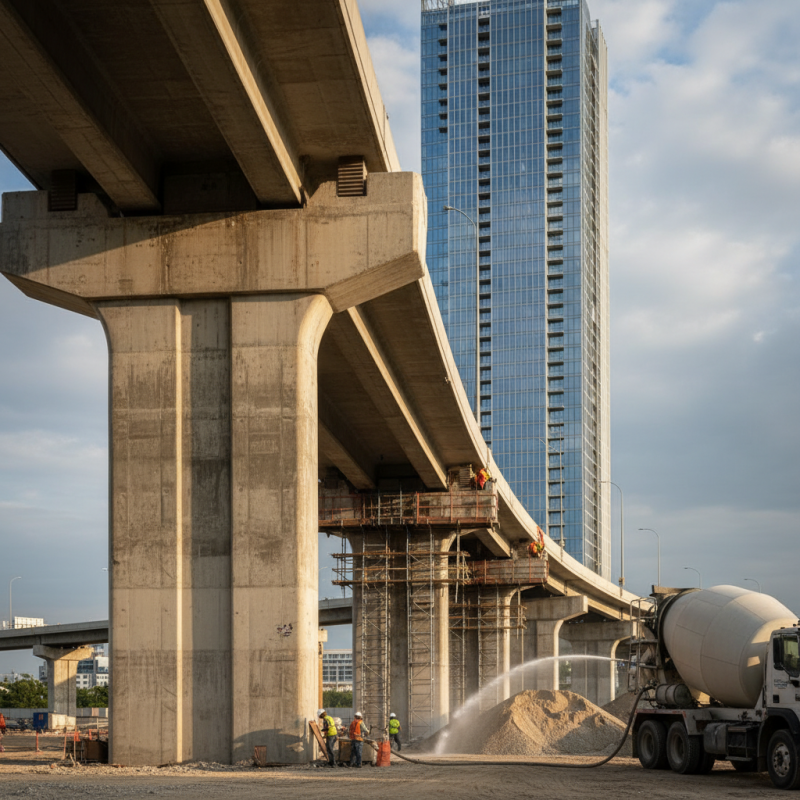
What is Standard Concrete? Definition and Composition Overview
Standard concrete is a widely used construction material. It consists of a mixture of cement, water, sand, and aggregates. This combination creates a robust substance that can withstand various environmental conditions. The balance of these ingredients is crucial. Too much water can weaken the structure, while insufficient water may hinder curing.
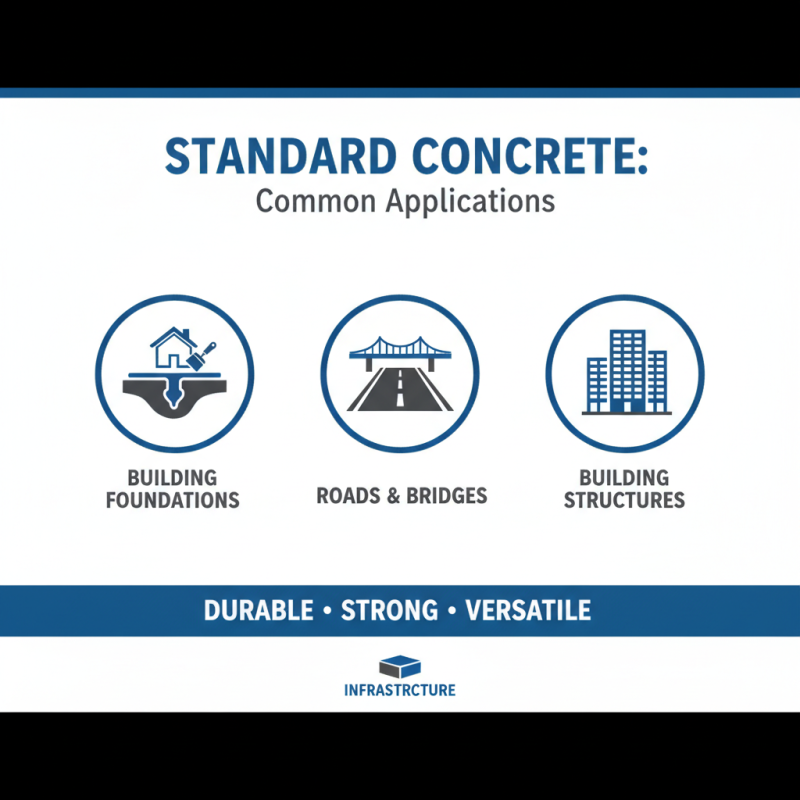
The applications of standard concrete are numerous. It is used for building foundations, driveways, and sidewalks. The versatility of concrete makes it suitable for both residential and commercial projects. However, the standard mix may not always be the best choice. In certain situations, specialized concrete types may perform better. For instance, structures exposed to freeze-thaw cycles often require modified blends.
Many builders rely heavily on standard concrete without considering alternatives. This can lead to issues down the line. It's essential to analyze the specific needs of each project instead of defaulting to a standard mix. A deeper understanding of the composition and its implications can lead to better outcomes. In construction, it's not just about following norms; it's about finding the best fit for every unique scenario.
Key Properties of Standard Concrete: Strength, Durability, and Workability
Standard concrete is a fundamental material used in construction. Its key properties make it suitable for various applications like pavements, buildings, and bridges.
Strength is crucial for concrete. It can support heavy loads. The compressive strength of well-mixed concrete ranges from 20 to 40 MPa. However, improper mixing can lead to weaknesses. Always ensure a good mix for desired strength.
Durability is another vital property. Concrete can withstand weather conditions and wear over time. Yet, exposure to harsh environments can cause deterioration. Regular maintenance and sealing help prolong its life. Remember, even durable concrete needs care.
Workability refers to how easily concrete can be mixed, placed, and finished. Achieving the right workability is essential for a smooth application. If the mix is too dry, it won't flow well. This leads to uneven surfaces. Aim for a balance to improve workability.
Tip: Always test your concrete mixture before large pours. Simple tests can save you time and resources. Quality matters in every batch you create.
What is Standard Concrete and Its Common Uses?
| Property |
Description |
Common Uses |
| Compressive Strength |
Typically ranges from 20 to 40 MPa |
Structural components like slabs, beams, and columns |
| Durability |
Resistant to weathering, chemical attack, and wear |
Pavements, roads, and outdoor structures |
| Workability |
Ease of mixing, placing, and finishing |
Foundations and formwork applications |
| Setting Time |
Initial set time of approximately 2 to 4 hours |
Construction projects requiring quick turnaround |
| Shrinkage |
Can shrink during curing, typically under 0.1% |
Floor slabs and high-performance pavements |
Common Applications of Standard Concrete in Construction and Infrastructure
Standard concrete is a versatile material widely used in various construction and infrastructure projects. Its durability and strength make it suitable for different applications. One common use is in building foundations. These structures require a solid base that can bear significant weight. Standard concrete provides the necessary support, ensuring stability and safety.
Another significant application is in paving roads and sidewalks. The smooth finish of concrete is not only visually appealing but also functional. It withstands traffic loads and harsh weather conditions. However, the production process can be environmentally challenging. Concrete requires considerable energy and resources, prompting discussions about sustainability in construction.
Additionally, standard concrete is often used in retaining walls. These structures hold back soil and prevent erosion. Though effective, their design can sometimes lead to failures if not properly implemented. Over time, water infiltration can weaken the integrity of the walls. This highlights the need for careful planning and ongoing maintenance in all concrete applications.
Global Standards and Codes Governing the Use of Standard Concrete
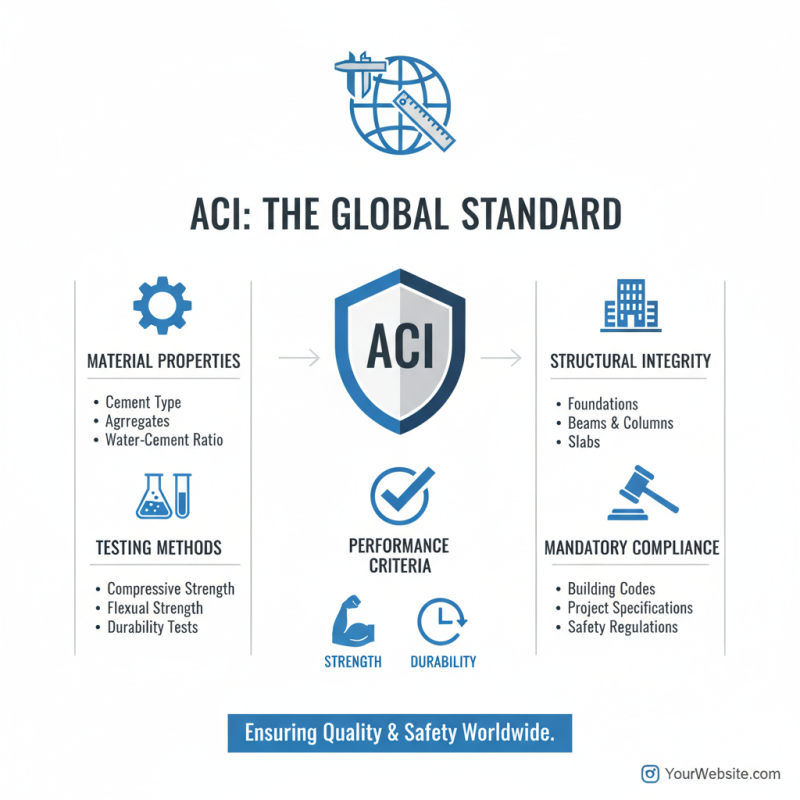
Global standards and codes are critical in governing the use of standard concrete. The American Concrete Institute (ACI) sets foundational guidelines that influence practices worldwide. Their specifications dictate everything from material properties to testing methods. According to ACI, concrete should meet specific performance criteria, ensuring durability and strength. In many projects, adhering to these standards is not optional but a requirement.
Environmental sustainability is becoming a focus in concrete standards. The International Organization for Standardization (ISO) emphasizes standards that promote lower carbon emissions during production. The ISO 14040 standard on life cycle assessment assesses the environmental impact of concrete. Reports suggest that by improving manufacturing processes, companies can reduce emissions by up to 30%. However, challenges in compliance persist. Many firms struggle with transitioning to greener practices while maintaining profitability.
Different regions may have varied interpretations of these standards. In Europe, for instance, the Eurocode influences design compatibility across borders. However, discrepancies in interpretation can lead to construction failures. Data from industry reports indicate that over 20% of construction projects face delays due to regulatory misalignment. This inconsistency prompts reflection on the effectiveness of current global standards. Balancing innovation with adherence to established codes remains a complex issue in the construction industry.
Trends in Standard Concrete Use: Innovations and Sustainable Practices
In recent years, the concrete industry has seen remarkable innovations. Eco-friendly practices are becoming more prevalent. A report by the Global Cement and Concrete Association stated that the industry aims to reduce carbon emissions by 25% by 2030. This shows a significant shift toward sustainability.
Many construction projects now incorporate recycled materials into standard concrete mixes. For instance, using industrial byproducts like fly ash and slag not only strengthens the concrete but also reduces waste.
Another trend is the use of smart technologies. Sensors embedded in concrete can monitor structural health, enhancing safety and longevity. This approach, however, raises questions about data privacy and long-term maintenance.
Sustainable concrete alternatives are gaining traction, but challenges remain. The balance between performance and environmental impact is still a topic for discussion. While strides have been made, the industry must address the higher initial costs of eco-friendly materials.
Continuing to innovate is vital, but so is understanding the broader implications of these changes. Addressing these imperfections and challenges will shape the future of standard concrete use.