Top 10 Home Concrete Types for Global Buyers

Choosing the right home concrete begins with more than appearance. Global buyers must consider climate, soil, construction methods, maintenance, and local standards. A polished floor may suit a dry apartment, while reinforced concrete walls may perform better in regions facing hurricanes or earthquakes.

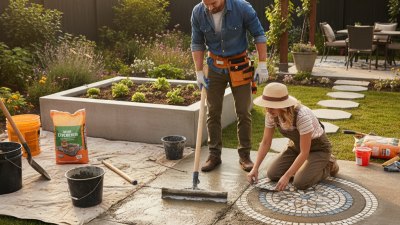
Tadao Ando, the renowned architect known for exposed-concrete homes, once said, “I don’t believe architecture has to speak too much. It should remain silent and let nature speak.” His view reflects concrete’s quiet strength. It can shape cool, smooth interiors, sturdy foundations, garden paths, driveways, and practical outdoor spaces.

This guide examines ten widely used home concrete types for international buyers. It compares ready-mix concrete, precast panels, lightweight concrete, fiber-reinforced concrete, stamped concrete, polished concrete, self-compacting concrete, shotcrete, insulated concrete forms, and high-performance concrete. Each option has a different balance of strength, cost, weight, texture, and installation difficulty.

The details matter. A driveway exposed to winter salt needs a different mix from an indoor kitchen floor. A coastal home may require careful reinforcement and moisture protection. Buyers should request mix specifications, curing procedures, test results, and installer references before approving a project.

Concrete is not flawless. Cracks, stains, color variation, and rushed curing can still occur. A simple ranking may also hide important regional differences. Therefore, this overview offers informed direction, not a universal answer. Experienced engineers and qualified contractors should review the site before construction begins. Good home concrete is selected thoughtfully, installed carefully, and judged over years of real use.
Top 10 Home Concrete Types for Global Buyers

Concrete Basics for Residential Construction

Top 10 Home Concrete Types for Global Buyers

Concrete Basics for Residential Construction

Residential concrete is more than cement, sand, stone, and water. The mix must match the structure, climate, soil, and construction method.

Ready-mix concrete suits foundations, slabs, and driveways when delivery is reliable. Site-mixed concrete works for smaller repairs, but accurate measuring is essential. High-strength concrete supports columns and heavily loaded floors.

Fiber-reinforced concrete helps control small cracks in slabs. Lightweight concrete reduces dead load on some floors and roofs.

Self-consolidating concrete flows around dense reinforcement with little vibration. Pervious concrete allows rainwater to pass through driveways and paths. Decorative concrete adds patterns or colored surfaces, but appearance cannot replace strength.

Rapid-setting concrete helps urgent repairs, though workers have less finishing time. Shotcrete suits curved surfaces and difficult repairs. It is not always the best choice for a simple home wall.

Tips: Ask for compressive-strength results, not only a product description. Confirm local building requirements before ordering. Check slump, aggregate size, curing conditions, and delivery time. Protect fresh concrete from strong sun, frost, and early rain.

A seven-day curing period is common, but site conditions can change it. I have seen beautiful slabs fail because the base was poorly compacted. That mistake is expensive. Choose an experienced engineer or contractor, and keep the mix records for future maintenance.

How Home Concrete Types Are Classified

Top 10 Home Concrete Types for Global Buyers

How Home Concrete Types Are Classified

Home concrete is classified by more than appearance. Its ingredients, density, strength, and intended use create the main categories. Ordinary concrete uses cement, sand, stone, and water for floors, walls, paths, and foundations. Lightweight concrete replaces some stone with porous aggregate, reducing structural weight. High-strength concrete uses a controlled mix for demanding loads. Insulating concrete contains air pockets or lightweight particles, helping regulate indoor temperature. The categories overlap. That is easy to miss.

Classification also depends on reinforcement and surface treatment. Reinforced concrete contains steel bars or mesh, which helps control tension cracks in slabs and beams. Fiber-reinforced concrete uses small fibers throughout the mix. It can improve crack control, but it cannot replace every structural design requirement. Decorative concrete may be stamped, colored, polished, or exposed to show aggregate. Precast concrete is formed in a factory, while cast-in-place concrete hardens at the building site. Each option suits different construction conditions.

Global buyers should compare strength class, slump, curing method, aggregate size, and local climate performance. A coastal home may need stronger resistance to moisture and salt exposure. A cold-region project may require freeze-thaw testing. Ask for mix details, laboratory results, and delivery records. Practical experience shows that a low price can hide unsuitable curing or inconsistent batches. Still, documents are not perfect. Site supervision, correct water content, and proper curing often decide the final result. A classification label helps, but it never replaces project-specific engineering advice.

Top 10 Home Concrete Types for Global Buyers

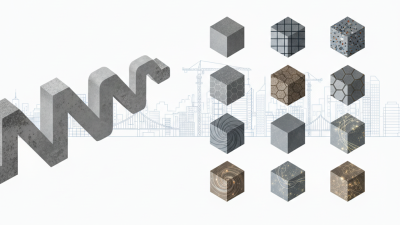
How home concrete types are classified by composition, production method, performance, and structural use. The chart shows indicative compressive-strength ranges commonly used in residential construction; actual specifications vary by local standards and project design.

Classification guide: Plain, reinforced, prestressed, precast, and ready-mix concrete are mainly classified by structural form or production method. Lightweight, high-strength, self-compacting, fiber-reinforced, and air-entrained concrete are classified by performance or material properties.

Top 10 Home Concrete Types for Global Buyers

Top 10 Home Concrete Types for Global Buyers

Choosing home concrete across borders requires more than comparing prices. Local climate, transport distance, curing practice, and building codes all affect performance.

Ready-mix concrete suits foundations and slabs when delivery timing is reliable. Precast concrete speeds construction and offers consistent factory control. Fiber-reinforced concrete helps limit cracking in floors and panels. Lightweight concrete reduces structural loads, especially in renovations. High-strength concrete supports columns and narrow structural elements. It needs accurate proportioning and careful curing. Self-compacting concrete flows around dense reinforcement without heavy vibration. It can reduce labor, but poor mix control creates risks.

Stamped concrete adds patterns to patios and walkways. Its appearance depends heavily on skilled finishing. Polished concrete provides a durable, low-maintenance interior surface, though it may feel cold underfoot. Permeable concrete allows rainwater to pass through driveways and garden paths. It requires clean drainage layers and regular maintenance. Insulating concrete systems combine concrete cores with thermal insulation, improving energy performance in suitable designs. They may also complicate later alterations.

From project reviews, I always request strength test results, aggregate details, and curing records. Ask whether the mix suits freeze-thaw cycles, coastal salt, or tropical humidity. A low price can hide transport delays or unsuitable aggregates. No single type wins everywhere. I would rather approve a simpler mix with dependable workmanship than a premium specification nobody can execute well. Human judgment still matters.

Performance, Cost, and Climate Comparison

Top 10 Home Concrete Types for Global Buyers

Performance, Cost, and Climate Comparison

On residential projects, concrete choice should follow climate, labor, and transport distance. A neat ranking can mislead.

Ready-mix concrete suits common foundations and floors, with predictable quality and moderate cost. Precast concrete speeds construction, but shipping may raise expenses. High-strength concrete supports slender columns and heavy loads, though its cement content can increase cost. Fiber-reinforced concrete limits surface cracking and may reduce some reinforcement needs. Lightweight concrete lowers structural weight, but it often costs more and needs careful moisture control.

Air-entrained concrete performs well in freeze-thaw regions because tiny air pockets absorb ice pressure. Permeable concrete helps manage stormwater in wet climates, yet it needs regular cleaning. Self-compacting concrete fills crowded reinforcement without strong vibration, making labor savings possible. Shotcrete works well for curved walls, repairs, and difficult access, but skilled application matters greatly. Insulated concrete forms combine concrete strength with continuous insulation, improving indoor comfort in hot and cold regions. Decorative concrete offers visual flexibility, although surface finishes can require ongoing maintenance.

Climate changes the practical calculation. In humid areas, drainage and curing deserve close attention. In hot, dry regions, rapid water loss can cause cracking without shade and controlled curing. Cold-weather work may need heating, additives, and longer schedules. Local aggregate quality also affects performance, not only price. Buyers should request test results, curing procedures, and climate-specific references from qualified contractors. I have seen low material quotes become expensive after transport, repairs, or delayed labor. Cost comparisons remain imperfect without local data.

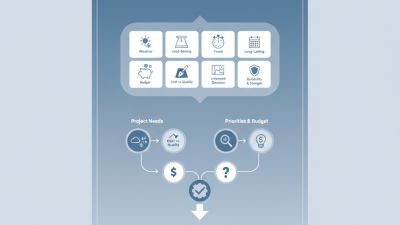
How to Choose the Right Concrete Type for Your Home

Choosing concrete for a home starts with conditions, not appearance. On residential projects, I check soil, drainage, climate, load, and construction access before discussing finishes. Ready-mix concrete suits most foundations and slabs when the mix design matches local conditions. Fiber-reinforced concrete can reduce surface cracking, but it cannot correct poor curing or weak subgrade preparation.

Cold regions need air-entrained concrete because repeated freezing can damage saturated surfaces. In hot, dry climates, controlled placement and early curing matter more than simply increasing strength. For upper floors or renovations, lightweight concrete may reduce structural weight. Permeable concrete can help manage rainwater around driveways, although it performs poorly over compacted clay without a properly designed drainage layer.

Look closely at daily use. A garage slab needs abrasion resistance and accurate joints. A patio may benefit from a textured finish and moderate strength. Decorative concrete can look attractive, but color variation is normal. It is not a defect by itself.

I once underestimated how quickly wind could dry a fresh slab. The surface looked fine that evening, then showed shallow cracks days later. That experience changed my checklist. Ask for the proposed strength class, aggregate size, slump range, curing plan, and local compliance documents. A qualified engineer should review structural elements, especially where soil movement, earthquakes, or heavy loads are possible. The cheapest mix is not always the lowest-cost choice. Weak drainage can quietly create expensive repairs.

Top 10 Home Concrete Types for Global Buyers - How to Choose the Right Concrete Type for Your Home
No. Concrete Type Typical Compressive Strength Typical Density Best Home Applications Main Advantages Key Considerations
1 Normal-Weight Concrete 20–40 MPa
2,900–5,800 psi
2,200–2,400 kg/m³ Foundations, footings, slabs, driveways, columns, retaining walls and general structural work. Widely available, familiar to contractors, durable and suitable for most residential projects. Heavier than lightweight mixes and may require additional structural support or handling equipment.
2 Lightweight Aggregate Concrete 17–35 MPa
2,500–5,100 psi
1,600–2,000 kg/m³ Upper floors, roof slabs, wall panels, renovations and structures where reduced dead load is important. Reduces structural weight and can provide improved thermal performance compared with normal-weight concrete. Usually costs more, may need moisture-control planning and can require contractors experienced with lightweight aggregates.
3 High-Strength Concrete 50–100+ MPa
7,250–14,500+ psi
2,300–2,450 kg/m³ High-load columns, long-span beams, basements, multistory homes and compact structural components. Supports higher loads, permits smaller sections and can improve durability when properly specified and cured. Requires careful mix design, quality control and curing; higher strength is not automatically necessary for a typical house.
4 Fiber-Reinforced Concrete 20–50 MPa
2,900–7,250 psi
2,200–2,400 kg/m³ Garage floors, driveways, patios, industrial-style floors, precast panels and slabs exposed to impact or shrinkage. Fibers help control plastic-shrinkage cracking and improve toughness and impact resistance. Fibers do not replace all conventional reinforcement; the fiber type, dosage and finishing method must match the application.
5 Air-Entrained Concrete 20–40 MPa
2,900–5,800 psi
2,200–2,400 kg/m³ Exterior slabs, driveways, steps, walls and foundations in regions exposed to freezing and thawing. Microscopic air bubbles provide space for freezing water to expand, improving freeze-thaw durability. Higher air content can reduce strength; air content must be controlled according to climate and exposure conditions.
6 Self-Consolidating Concrete 25–60 MPa
3,625–8,700 psi
2,200–2,400 kg/m³ Heavily reinforced walls, columns, complex forms, narrow sections and architectural concrete surfaces. Flows around reinforcement with little or no vibration, helping produce smooth surfaces and reduce placement labor. Needs accurate batching, formwork that limits leakage and experienced placement; it is sensitive to water added on site.
7 Pervious Concrete 10–25 MPa
1,450–3,625 psi
1,600–2,000 kg/m³ Driveways, walkways, patios and parking areas where stormwater infiltration is desired. Allows rainfall to pass through connected voids, reducing surface runoff and helping manage drainage. Not normally suitable for primary structural members; requires a prepared open-graded base and regular surface maintenance.
8 Shotcrete 25–50 MPa
3,625–7,250 psi
2,200–2,400 kg/m³ Retaining walls, basement repairs, swimming pools, curved surfaces, slope stabilization and difficult-access areas. Can be sprayed onto vertical or overhead surfaces with limited conventional formwork. Quality depends strongly on nozzle technique, surface preparation, reinforcement placement and curing.
9 Precast Concrete 30–60 MPa
4,350–8,700 psi
2,200–2,400 kg/m³ Steps, wall panels, lintels, beams, paving units, septic components and modular home elements. Factory-controlled production can provide consistent dimensions, finish quality and faster site installation. Transport, lifting equipment, joint detailing and local product availability must be considered before ordering.
10 Geopolymer Concrete 25–60 MPa
3,625–8,700 psi
2,100–2,400 kg/m³ Selected foundations, slabs, precast components and projects seeking lower-clinker or alternative binder systems. Can reduce Portland-cement use and may provide good chemical and heat resistance when properly formulated. Availability, standards, curing requirements and long-term local performance data vary by region; confirm approval with the engineer and building authority.
Strength and density values are typical ranges for residential-grade products. Actual performance depends on materials, water-to-binder ratio, reinforcement, curing, exposure conditions and local building requirements.
The owner of this website has made a commitment to accessibility and inclusion, please report any problems that you encounter using the contact form on this website. This site uses the WP ADA Compliance Check plugin to enhance accessibility.