Excavation Equipment forms the working foundation of many construction, mining, landscaping, and infrastructure projects. Choosing the right machine affects productivity, site safety, fuel use, and project costs. A compact excavator may fit between buildings, while a crawler excavator can stabilize itself on uneven ground. Wheel loaders move large volumes quickly, but backhoe loaders offer useful flexibility on smaller sites.
No machine fits every site.
This guide examines ten common Excavation Equipment types and explains where each one performs best. It considers digging depth, lifting capacity, ground conditions, attachment options, transport requirements, and operator visibility. These practical factors often matter more than impressive specifications on a sales brochure. An experienced site manager also checks maintenance access, hydraulic performance, noise limits, and expected daily workload before selecting equipment. Small details matter. A damaged track, dull bucket, or overloaded truck can reduce efficiency and increase risk.
The list is not a rigid ranking. Project conditions change, and one recommendation may fail under different soil, space, or weather conditions. That limitation deserves attention. Reliable equipment decisions combine manufacturer data, qualified operator experience, inspection records, and current site assessments. Safety procedures and local requirements must also guide every choice. With that balanced approach, the following ten equipment types provide a practical starting point for comparing capabilities, limitations, and real-world applications.
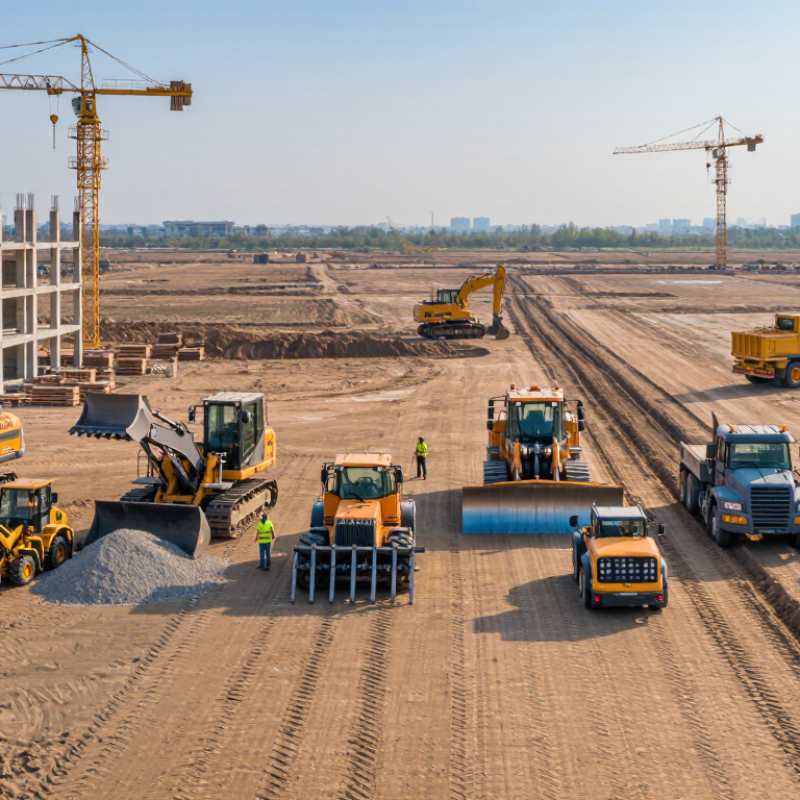
The top ten excavation equipment types include excavators, mini excavators, crawler excavators, wheeled excavators, backhoe loaders, bulldozers, wheel loaders, skid steer loaders, trenchers, and scrapers. Each machine suits a different working envelope. A mini excavator fits narrow urban sites, while a crawler excavator handles deep cuts and unstable ground. Trenchers create consistent utility channels. Scrapers move large volumes across open terrain.
Selection starts with the excavation purpose, not the machine’s appearance. Review soil density, rock content, digging depth, trench width, access limits, and groundwater conditions. A wheeled excavator may reduce surface damage on paved areas. A crawler model offers stronger stability on soft ground. Loaders support material removal, but they may struggle in confined spaces. Check bucket capacity, breakout force, lifting limits, fuel use, transport weight, and attachment compatibility.
The site plan should also measure production against real constraints. A powerful machine can waste time when trucks cannot reach it. Operator visibility, reversing space, noise exposure, maintenance access, and emergency controls deserve equal attention. I would not select equipment from output figures alone. That approach often ignores delays, weather, and ground changes. A smaller machine may prove more efficient. The judgment can still be wrong, especially when soil reports are incomplete. A short trial cut, verified by a qualified site professional, can reveal problems before major excavation begins.

What Are the Top 10 Excavation Equipment Types?
Earthmoving Machines for Digging, Trenching, and Material Removal
Excavation work depends on matching the machine to the soil, depth, and access conditions. A standard excavator handles deep digging, bucket loading, and controlled material removal. A mini excavator fits narrow yards and reduces surface disturbance. Backhoe loaders combine trenching power with a front loading bucket. They remain useful on smaller construction sites.
Bulldozers push soil, spread fill, and prepare rough grades. Wheel loaders move loose material quickly between stockpiles and trucks. Skid steer loaders work well in tight spaces, especially with augers, breakers, or grading attachments. Trenchers cut consistent channels for approved utility and drainage work. They are fast, but rocky ground can reduce production. Scrapers remove and transport broad layers of soil across open sites.
Large draglines reach deep deposits and remove material from difficult positions. Vacuum excavators use controlled suction to expose buried services with less digging force. This method needs trained operators and careful spoil handling. I have seen crews lose time by choosing a larger machine too early. Bigger is not always better.
Before digging, experienced teams review soil reports, site access, underground service information, and weather conditions. Operators should inspect hydraulic lines, buckets, tracks, tires, and warning systems before each shift. Spoil piles need distance from trench edges. Small details matter. A few centimeters of extra clearance can prevent damage, while poor planning can reshape the entire workday.
| No. | Equipment Type | Primary Excavation or Earthmoving Function | Typical Operating Weight | Typical Digging or Cutting Range | Typical Bucket, Blade, or Bowl Capacity | Best-Suited Applications | Main Mobility or Site Advantage |
|---|---|---|---|---|---|---|---|
| 1 | Crawler Excavator | Hydraulic digging, trenching, loading, and material removal using a boom, stick, and bucket. | 10–80 metric tonnes | Approx. 6–12 m maximum digging depth | 0.2–4.5 m³ bucket | Deep foundations, utility trenches, quarrying, demolition, and mass excavation. | Tracked undercarriage provides stability and low ground pressure on uneven terrain. |
| 2 | Mini or Compact Excavator | Small-scale digging and precise trenching in confined or sensitive work areas. | 1–8 metric tonnes | Approx. 2–5.5 m maximum digging depth | 0.02–0.35 m³ bucket | Landscaping, residential foundations, drainage, cable installation, and utility repairs. | Compact tail-swing options can work close to buildings, walls, and other obstacles. |
| 3 | Backhoe Loader | Combines a rear hydraulic excavator with a front loader for digging, loading, and backfilling. | 7–12 metric tonnes | Approx. 4–6 m rear digging depth | Rear bucket: 0.1–0.3 m³; front bucket: 0.8–1.5 m³ | Road maintenance, farm work, drainage, small foundations, and general utility construction. | Rubber tires allow relatively fast travel between nearby work locations. |
| 4 | Bulldozer | Pushes, spreads, grades, and rips soil, rock, and construction debris. | 8–70 metric tonnes | Approx. 0.3–1.5 m ripping depth with a rear ripper | Blade width: about 2.5–6 m | Site clearing, road formation, rough grading, land reclamation, and stockpile management. | High tractive effort and tracked stability suit rough, muddy, or steep ground. |
| 5 | Wheel Loader | Loads, transports, and places loose soil, aggregate, sand, and demolition material. | 8–35 metric tonnes | Limited shallow penetration; optimized for loading rather than deep digging | 1.5–6.5 m³ bucket | Quarries, aggregate yards, loading trucks, stockpile handling, and site cleanup. | Fast travel and high production on firm, prepared surfaces. |
| 6 | Skid-Steer Loader | Performs light excavation, grading, loading, and material handling with interchangeable attachments. | 2.5–5 metric tonnes | Shallow excavation, generally under 1 m per pass | 0.25–0.8 m³ bucket | Small construction sites, landscaping, demolition cleanup, and utility preparation. | Zero-radius skid steering provides excellent maneuverability in tight spaces. |
| 7 | Compact Track Loader | Carries out light digging, grading, dozing, and site preparation with tracked traction. | 3–6 metric tonnes | Shallow excavation, generally under 1 m per pass | 0.3–1.0 m³ bucket | Soft ground, landscaping, grading, brush clearing, and residential site work. | Tracks provide low ground pressure and improved traction compared with wheeled loaders. |
| 8 | Trencher | Cuts narrow, continuous trenches for pipes, cables, drainage, and irrigation systems. | 0.5–15 metric tonnes | Approx. 0.3–2.4 m trench depth | Typical trench width: 75–300 mm | Telecommunications, electrical cables, water lines, gas lines, and agricultural drainage. | Produces consistent narrow cuts with less spoil than a conventional excavator. |
| 9 | Dragline Excavator | Uses a suspended bucket and long boom to remove material from deep or extended-radius excavations. | 100–2,000+ metric tonnes for large mining units | Approx. 10–60 m working depth, depending on configuration | 1–100 m³ bucket | Surface mining, overburden removal, large borrow pits, and deep-waterway excavation. | Very long reach and large-scale production from a fixed operating platform. |
| 10 | Motor Scraper | Cuts, collects, hauls, and spreads soil over medium-to-long distances in large earthmoving projects. | 15–70 metric tonnes | Approx. 0.15–0.4 m cutting depth per pass | 8–40 m³ bowl capacity | Highway construction, airport sites, reservoirs, dams, and large-scale grading. | Combines excavation and hauling, reducing the need for separate loading equipment. |
What Are the Top 10 Excavation Equipment Types?
Heavy equipment selection shapes grading, loading, and site preparation. The ten core types are excavators, mini excavators, bulldozers, wheel loaders, skid steers, motor graders, scrapers, backhoe loaders, trenchers, and compact track loaders. Each machine solves a different ground problem.
Excavators loosen hard soil and load trucks. Mini excavators work beside foundations and utility lines. Bulldozers push fill across rough pads, while motor graders create the final slope. Wheel loaders move aggregate quickly. Skid steers and compact track loaders handle tight corners and soft surfaces. Scrapers transport and spread soil over longer cuts. Backhoe loaders provide practical digging and loading in smaller projects. Trenchers create narrow utility channels with less disturbance.
The U.S. Geological Survey’s Mineral Commodity Summaries 2024 reported about 960 million metric tons of construction sand and gravel produced in 2023. That volume shows why efficient loading and material control matter. The U.S. Bureau of Labor Statistics projects steady employment for construction equipment operators through 2033. Skill still matters more than machine size.
Tips: Match the attachment to soil conditions. Check swing clearance before digging. Measure finished grades, not just bucket cycles. A powerful machine can waste fuel and damage a prepared surface. I have seen schedules slip because operators ignored drainage paths. That mistake is easy to repeat. Record moisture, haul distance, and bucket fill during each shift. These details often reveal that the first equipment plan needs revision.
Excavation equipment is not one-size-fits-all. On demolition sites, high-reach excavators place the operator far from unstable walls and falling debris. Their long booms improve visibility, but they need firm ground and careful reach planning. A compact demolition excavator works better inside smaller structures, where swing clearance is limited.
Drilling demands different equipment. A drilling excavator uses hydraulic power to operate augers, rock drills, or core attachments. An excavator with a telescopic arm can reach deeper points without constant repositioning. For trenching beside buildings, reduced-tail-swing models protect nearby walls and workers. Mini excavators also perform well in gardens, basements, and narrow access lanes. They are slower, but their low weight can reduce surface damage.
Narrow spaces punish poor planning. Measure the entrance, overhead height, turning area, and ground bearing capacity before delivery. A spider excavator can stabilize on uneven slopes, while a long-reach machine handles waterways and deep excavations from a safer distance. Experienced operators also inspect hydraulic lines and attachment pins before each shift. Small defects become expensive failures.
A neat equipment list can still mislead. The largest machine is rarely the best choice. I have seen compact units outperform heavier excavators when access controlled the entire job. Soil conditions, attachment weight, operator visibility, and emergency access deserve equal attention. Productivity matters, but predictable movement matters more.
What Are the Top 10 Excavation Equipment Types?
The top ten types include excavators, mini excavators, backhoe loaders, bulldozers, wheel loaders, skid steer loaders, motor graders, scrapers, trenchers, and draglines. Comparing them requires more than checking digging depth. An excavator suits deep foundations and heavy buckets, while a mini excavator works better beside walls or on narrow residential sites. A backhoe loader adds versatility, but it may lose efficiency during continuous bulk digging.
Ground conditions change the decision. Bulldozers push and level dense soil, while wheel loaders move loose aggregate quickly across short distances. Skid steer loaders offer tight turning and many attachments, though rough ground can reduce operator comfort. Motor graders need space and careful control for accurate road finishing. Scrapers cover large earthmoving areas, but trenchers remain more precise for narrow utility channels. Draglines handle deep, wide excavation from stable positions, yet their setup demands serious planning. Compare working reach, bucket capacity, traction, transport limits, fuel use, maintenance access, and operator skill. Cycle time matters.
Tips: Walk the site before selecting equipment. Measure access widths, soil layers, slope, haul distance, and overhead clearance. Ask operators about visibility and vibration. A machine can look powerful on paper, but perform poorly in wet clay. I have seen early estimates ignore attachment changes and truck queuing. That mistake is expensive. Recheck production figures under real site conditions, not ideal test conditions. Also compare rental flexibility, service response, and resale value. The cheapest hourly rate is not always the lowest project cost.
Key factors for comparing excavation equipment include operating mass, mobility, ground pressure, digging depth, lifting capacity, and suitability for confined or large-scale sites.
The chart compares indicative operating-mass ranges for ten widely used excavation equipment types. Actual specifications vary by configuration, attachment, working conditions, and machine class; the ranges are representative industry values rather than company or brand data.

