Top 10 Nursery Bench Designs for Modern Parenting Needs?
Creating a functional yet stylish nursery is essential for modern parents. A Nursery bench is not just a piece of furniture; it serves multiple purposes. It provides a comfortable spot for parents to sit while tending to their little ones. Moreover, it offers storage solutions, helping to keep the space organized.
In today’s world, design meets necessity. Many nursery benches are crafted from high-quality materials, ensuring durability and safety. Some benches even come with soft cushioning for added comfort. However, not all designs are perfect. Some may lack adequate storage or fit awkwardly in smaller rooms, prompting parents to rethink their choices.
Selecting the right nursery bench can be overwhelming. A savvy choice blends aesthetics with practicality. Parents should prioritize their specific needs, considering both function and style. While trends are appealing, true versatility lies in timeless designs that adapt as the child grows. Thus, understanding these elements is crucial for creating a harmonious nursery.
Essential Features of Nursery Benches for Modern Parents
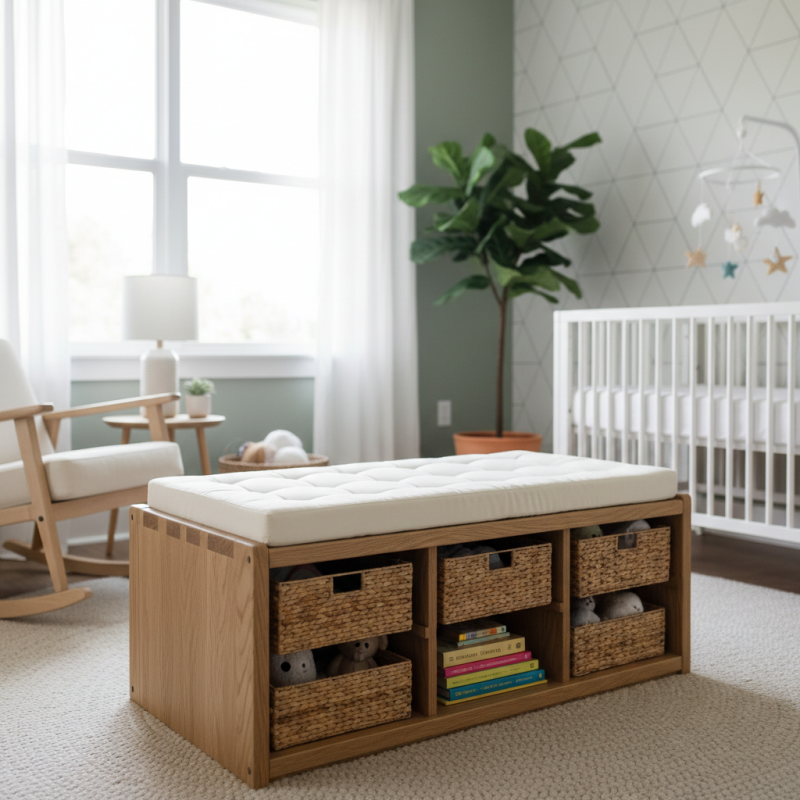
When selecting nursery benches, modern parents should consider several essential features. A versatile design is key. It should serve multiple purposes, such as seating, storage, or playtime areas. Compact sizes fit well in small spaces without sacrificing functionality. Stability and durability are critical, ensuring the bench withstands daily use from eager toddlers.
Comfort plays a vital role too. Soft, padded surfaces enhance the experience during storytime or diaper changes. Easy-to-clean materials are a must for those inevitable spills and messes. Parents need something that doesn’t just look good but is practical as well.
Safety features are paramount. Rounded edges and non-toxic finishes protect little ones during their adventures. Secure storage options minimize clutter, keeping tiny fingers safe from hazardous items. While aesthetics matter, the true value of a nursery bench is found in how it meets everyday needs. Each choice should reflect both style and practicality.
Top 10 Nursery Bench Designs for Modern Parenting Needs
This chart represents the essential features of nursery benches preferred by modern parents, showcasing their importance based on a survey of parenting needs. The features include safety, design aesthetics, storage capacity, and versatility.
Materials and Durability: Choosing the Right Bench for Your Nursery
Choosing the right materials for nursery benches is crucial. Solid wood offers durability and stability. However, it can be heavy and may scratch easily. Metal benches provide modern aesthetics but may not be as comfortable. Consider how these materials affect the overall look and feel of your nursery.
Sustainable options are also available, like bamboo or recycled materials. They are eco-friendly, making them a great choice for conscious parents. Yet, they can be pricier or less sturdy. It's essential to weigh the benefits and drawbacks of each material.
Durability is key for nursery furniture. Look for benches that have finishes resistant to wear and tear. Easy-to-clean surfaces are a must for busy parents. However, some resilient materials may give off unwanted chemicals. Always check for safety certifications. Balancing aesthetics, functionality, and safety can be challenging yet rewarding.
Space-Saving Designs: Maximizing Functionality in Small Nurseries
In small nurseries, space-saving designs play a crucial role. With about 30% of new parents living in apartments, efficient use of space is vital. Multi-functional furniture can transform limited areas into functional spaces. For instance, a bench that doubles as storage helps eliminate clutter while providing a cozy spot for parents.
Reports suggest that 65% of parents prioritize functionality over aesthetics when choosing nursery furniture. They seek designs that adapt as children grow. A removable cushion on a bench for seating can also transform into a play area. This adaptability ensures that investments last longer and serve multiple purposes.
However, not all space-saving designs are foolproof. Some parents find that a focus on compactness can compromise comfort. A bench may look sleek but may offer limited seating for parents when needed. It's essential to balance aesthetics and comfort, ensuring that modern parenting needs are fully met. Overall, while creating space-efficient nurseries can be challenging, thoughtful design choices can make parenting smoother.
Aesthetic Styles: Blending Nursery Benches with Contemporary Decor
In the realm of modern parenting, nursery benches serve both functional and aesthetic purposes. These pieces are not mere furniture; they become integral parts of a child’s early environment. According to a report from the American Institute of Architects, 40% of contemporary designs emphasize multifunctionality. This trend aligns perfectly with the needs of today's parents, who seek stylish yet practical solutions.
Blending nursery benches with contemporary decor requires thoughtful consideration. Styles such as mid-century modern or Scandinavian minimalism resonate well with parents. For example, soft curves and neutral colors create a calming atmosphere. Research from the Interior Design Society indicates that 70% of parents prefer designs that promote tranquility. However, some benches can take up significant space. Choosing compact options can optimize the nursery's layout.
Furthermore, durability is another crucial factor. Many parents overlook quality. A bench must withstand daily use and occasional spills. Reports show that 60% of families face wear and tear issues within the first year. Therefore, the balance between aesthetics and practicality is vital. Parents should reflect on their choices carefully, ensuring that the nursery remains a harmonious space.
Safety Considerations: Ensuring Your Nursery Bench is Child-Friendly
A nursery bench can be a stylish yet practical addition to your child's space. However, safety should always come first. Choose benches with rounded corners to minimize the risk of injury. Sharp edges can lead to unfortunate accidents. Consider the height as well. A bench that is too tall can pose a risk for small children when they climb or jump off it.
Ensure the materials used are free from harmful chemicals. Opt for non-toxic finishes to create a safe environment. Stability is crucial as well. A well-balanced bench will not tip over easily when a child leans against it. Look for models with a wide base. They provide better support and are safer for little ones during playtime or when using it for storage.
Regular maintenance is key. Check for loose screws or wobbly legs that could pose hazards. Reflecting on your choices is important. Sometimes, a beautiful design can overlook safety standards. Always remember that aesthetics should never compromise child safety.