What Is a Fiberglass Front Door?
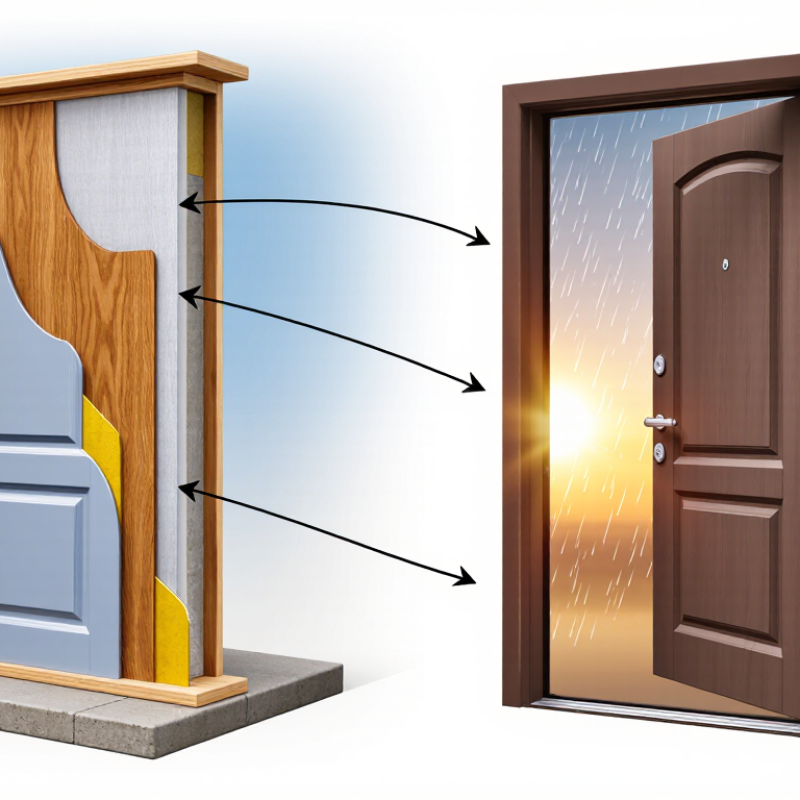
What Is a Fiberglass Front Door? The name sounds simple, but the construction deserves a closer look. Fiberglass Front Doors typically use molded fiberglass skins over an insulating core, often with a wood frame around the edges. The surface can imitate oak grain, carry a smooth paint finish, or hold a deeper panel design. Up close, the texture may feel convincing, though it is not real wood.
At a front entry, the door faces rain, sun, temperature shifts, and daily use. A well-made unit can resist warping and needs less repainting than many wood doors. Still, the slab alone does not determine performance. The frame, weatherstripping, threshold, hardware, and installation all matter. A beautiful door with a poor seal can let drafts slip around its edges.
Building scientist Joseph Lstiburek’s published guidance on building envelopes offers a useful principle, paraphrased here: “A door must help control air, heat, and moisture—not just look solid.” This is a paraphrase, not a verbatim quotation. It points to a practical way to assess a fiberglass entry: inspect its fit and sealing, not only its finish. Even then, no material is perfect. Quality varies, and a neglected frame can undermine a strong door. The sections ahead explain how fiberglass doors are built, how they compare with other materials, and what to check before choosing one.
What a Fiberglass Front Door Is
A fiberglass front door is a door with an outer skin made from molded fiberglass, usually attached to a frame and an insulating core. The surface can be textured to resemble painted wood, with raised panels or a grain pattern you can feel beneath your fingertips. That matters. The door is not solid fiberglass throughout; its internal construction varies by design. Many models use a foam core to limit heat transfer, while reinforced areas may support hinges and a lockset.
Fiberglass generally resists moisture better than untreated wood and is less prone to swelling as weather changes. It can also be painted or stained, though the right preparation and finish depend on the door’s instructions. Low maintenance is not maintenance-free. Check the weatherstripping, threshold, and finish now and then, especially after harsh seasons. Installation also affects performance: a poorly fitted frame can let in drafts, even if the door itself is well insulated. And a convincing wood-like surface may still look different from natural grain up close. That trade-off is worth considering beside durability, appearance, and fit.
Materials and Construction of Fiberglass Doors
What Is a Fiberglass Front Door?
Materials and Construction of Fiberglass Doors
A fiberglass front door is typically built from molded outer skins bonded to an internal frame and insulated core. The skins use glass fibers set in resin, creating a rigid surface that can resist everyday dents and moisture better than many wood doors. The core is often polyurethane foam, which helps slow heat transfer and can reduce outside noise. It is not always foam throughout; some designs include wood or composite reinforcement around the edges and lock area. Small construction differences matter.
The surface may be molded with raised panels or a wood-grain texture, then painted or finished to suit the home. Run your hand across the grain: the pattern is formed in the skin, not carved into solid wood. That distinction can make upkeep simpler, though finishes still need attention. Strong sun, scratches, and poor sealing can wear a door over time. Fiberglass is moisture-resistant, not waterproof. I would not judge a door by its face alone. Check the frame, weatherstripping, threshold, and hardware reinforcement, since a well-made slab can still perform poorly if those parts are weak or badly installed.
How Fiberglass Front Doors Are Made
A fiberglass front door is usually built from two molded, glass-fiber-reinforced skins around an insulated core. Manufacturers press resin and glass fibers into textured molds, then cure the skins. The pattern can resemble wood grain. Next, workers bond the skins to a polyurethane-foam core, with perimeter rails or stiles supporting hinges and locks. The unit is trimmed, sealed, finished, and inspected. Details vary by factory. A weak bond or poorly sealed edge can undermine an otherwise solid door.
Performance needs testing, not guesswork. The U.S. Department of Energy’s Energy Saver guidance estimates that heat gain and loss through windows account for about 25–30% of household heating and cooling energy use. That figure concerns windows, not fiberglass doors, but it shows why the full opening matters. For doors, check certified whole-unit ratings: the National Fenestration Rating Council reports U-factor, which measures heat transfer. Lower is generally better for insulation. A foam core helps, yet glass area, weatherstripping, installation, and hardware also affect results. “Fiberglass” alone guarantees little. It is easy to overlook the frame-to-wall seal, and that detail still deserves careful attention.
Key Features and Performance
A fiberglass front door typically has molded fiberglass skins over an insulated core. The surface can imitate painted wood grain, but it does not swell or split as readily when exposed to moisture. Many models also resist dents better than hollow steel doors. That matters. A well-built door can help limit drafts and reduce heat transfer, especially when its frame and weatherstripping fit tightly. Still, performance depends on the whole assembly, not just the door slab. Poor installation can leave cold air slipping around the edges.
Tips: Check that the door closes evenly and the weatherstripping contacts the frame on all sides. Look for a snug threshold fit. Small details count.
Fiberglass usually needs less upkeep than wood, though it is not maintenance-free. Clean the surface with mild soap and water, and inspect seals for gaps or brittleness. A dark finish may absorb more sunlight, so ask how the chosen color handles your local exposure. I would not assume every fiberglass door feels solid or insulates equally well; construction varies. If possible, compare the core, frame, glazing, and warranty details before choosing. A door that looks convincing in a showroom may behave differently in a drafty entryway.
What Is a Fiberglass Front Door? — Key Features and Performance
Fiberglass front doors use a durable composite skin, often paired with an insulating core. The chart compares approximate thermal conductivity of common door materials; lower conductivity means less heat passes through the material itself. These are material-level values, not whole-door ratings.
Approximate representative values: fiberglass-reinforced composite 0.30 W/m·K, wood 0.12 W/m·K, and steel 50.2 W/m·K. Actual door performance also depends on the core, glazing, frame, and weather seals.
Common Designs and Installation Options
A fiberglass front door can be made with a smooth or wood-grain surface and a range of panel designs. Common styles include simple flush panels, classic raised rectangles, and doors with narrow vertical lines. Some models include glass inserts, such as a small decorative window or a tall strip beside the handle. Glass can brighten an entry, but it may reduce privacy. A detailed panel can also look busier than expected once it is installed. The choice matters.
Installation usually involves either replacing the door slab or fitting a prehung unit with its frame. A slab replacement may suit an existing frame that is square, sound, and free from moisture damage. If the frame is warped or the threshold leaks, a prehung door may allow a more complete repair. Accurate measurements are essential; installers check the opening, jamb depth, hinge positions, and door swing. Small errors can cause sticking or uneven gaps. Because openings vary, an experienced installer can confirm which option fits the house and its condition.
Tips: Decide how much light and privacy you want before choosing glass. Check that the threshold and weatherstripping meet evenly after installation. Keep the finish and panel style in view beside nearby trim; a sample can look different under outdoor light. If anything seems slightly out of line, have it checked rather than assuming the door will settle.