Global construction projects demand materials that perform consistently across different climates, regulations, and jobsite conditions. Ready cement offers a practical solution when contractors need controlled quality and predictable delivery. It arrives prepared for efficient use, reducing some of the inconsistencies found in poorly managed onsite mixing. This matters on foundations, bridges, warehouses, and high-rise developments where small material errors can become expensive structural problems.
Reliable ready cement suppliers usually maintain documented production procedures, laboratory testing, and batch traceability. These controls help project teams verify strength, setting time, workability, and durability before placement. Experienced contractors also check local standards, transport distances, storage conditions, and weather exposure. A strong product can still fail when delivery is delayed or curing is neglected. Timing matters.
On international projects, communication is equally important. Suppliers should provide clear technical data, realistic lead times, and responsive support. Site managers can then coordinate pumps, labor, inspections, and backup plans with greater confidence. Yet ready cement is not a universal answer. Costs may rise in remote areas, and transport emissions deserve honest consideration. Some teams may also overestimate its convenience. Careful planning remains essential.
The best choice balances performance, price, availability, and environmental responsibility. Project evidence should guide that decision, not marketing language alone. When quality systems and site discipline work together, ready cement can help global construction projects become safer, faster, and more dependable. Reliability is built in the details.

Ready cement is a factory-prepared cement product used for efficient construction work. The term is not perfectly standardized worldwide. In some markets, it means dry cement blended with selected additives. In others, people use it to describe ready-mix concrete, which also contains aggregates and water. This distinction matters because cement is a binder, while concrete is the finished composite material.
Production starts with limestone and clay, which are crushed and carefully proportioned. The raw materials enter a high-temperature kiln and form clinker. After cooling, the clinker is ground with gypsum and, when required, approved mineral additions. Automated weighing supports consistent proportions. Laboratory staff test fineness, setting time, strength, and chemical performance before shipment. For ready-mix concrete, cement is batched with sand, stone, and water at a controlled plant, then transported in rotating trucks.
Small details affect results. Moisture in aggregates can change the water ratio. Delayed delivery can reduce workability. A site team must check documents, batch time, weather, and placement conditions. Standards differ by region, so technical data should match local specifications. Factory control improves reliability, but it does not remove every risk. A rushed pour can still produce weak zones or poor finishing. Sometimes, the simplest correction is better planning.
Ready Cement for Global Construction Projects
Ready cement is suitable for construction because its properties support consistent, controlled placement. It arrives with a measured mix, reducing proportioning errors on busy sites. Reliable workability helps crews fill narrow formwork, wall corners, and heavily reinforced sections. Fresh concrete should remain cohesive without excessive bleeding or segregation. After placement, dependable strength supports foundations, columns, slabs, and transport infrastructure. Performance still depends on the correct water-cement ratio, aggregate quality, and curing conditions. Local climate matters too. Hot weather can accelerate setting, while cold conditions may delay strength development. Engineers should check compressive strength, slump, setting time, and durability against project specifications. Site testing remains essential, even when production is carefully controlled.
Tips: Confirm delivery timing before pouring. Inspect the batch ticket. Avoid adding uncontrolled water. Protect fresh surfaces from rapid drying, rain, or freezing temperatures. Keep test samples for quality records.
Ready cement also suits global projects because its production can follow documented procedures and recognized testing standards. This improves communication between designers, suppliers, contractors, and inspectors. However, it is not a perfect solution. Long transport distances may affect temperature and workability. A delayed truck can disrupt the pour. Poor curing can weaken otherwise well-designed concrete. Experienced teams plan backup access, monitor fresh material, and adjust methods within approved limits. I have found that small site details matter greatly: a shaded waiting area, clean forms, and timely vibration can prevent visible defects. Some projects still overlook these basics. That is where careful supervision makes a measurable difference.
Standardized strength classes help project teams specify ready-mix concrete consistently across different construction sites. The chart shows characteristic compressive strength values at 28 days according to the EN 206 class notation.
How to read the chart: Each class is identified by two values: the first is the characteristic cylinder strength and the second is the characteristic cube strength, both measured in MPa. Consistent batching, controlled mix proportions, and verified performance make ready-mix concrete suitable for demanding global construction projects.
Why Choose Ready Cement for Global Construction Projects?
Ready cement can improve project efficiency by moving material production into a controlled batching environment. Each delivery follows a specified mix design, water ratio, and strength target. This reduces on-site measuring errors and keeps crews focused on placement. A scheduled truck can arrive near the planned pouring window, limiting idle labor and equipment time. On a busy urban site, this may prevent a concrete pump from standing unused for hours.
Quality also becomes easier to monitor. Production records can show batch time, material quantities, and testing requirements. Site engineers can check slump, temperature, and sample strength before the material enters critical structural areas. These simple checks create traceable evidence, not just verbal assurance. Consistent particle grading may also reduce voids and surface defects when workers compact the mix correctly.
However, ready cement is not automatically perfect. Traffic, weather, and poor scheduling can still delay delivery. A mix that waits too long may lose workability. Teams should confirm access routes, curing plans, and backup communication before pouring. I have found that small details matter: a shaded testing area, clean forms, and enough workers for finishing. The process saves time, but only when site discipline supports it. Mistakes remain possible, especially when specifications are misunderstood or rushed. Regular inspection and honest records help reveal those weaknesses early.
| Performance Dimension | Ready Cement / Ready-Mix Concrete Data | How It Improves Project Efficiency and Quality | Recommended Verification Method |
|---|---|---|---|
| Strength Availability | 20–50 MPa compressive-strength classes are commonly specified for general structural concrete, depending on the design and applicable standard. | Allows engineers to select a documented strength class for foundations, columns, slabs, pavements, and other structural applications. | Review the approved mix design and verify compressive strength through standardized cylinder or cube tests. |
| Batching Consistency | Factory-controlled batching uses calibrated weighing and metering equipment for cementitious materials, aggregates, water, and admixtures. | Reduces variation between loads compared with uncontrolled manual site batching and supports more consistent workability and strength. | Check calibration records, batch tickets, material certificates, and quality-control procedures. |
| Concrete Discharge Window | A commonly used planning window is approximately 60–90 minutes from batching to discharge, subject to the project specification, temperature, traffic, and approved admixtures. | Enables coordinated scheduling of transport, pumping, placing, finishing, and labor resources. | Record batching, arrival, discharge, and completion times for every load. |
| Workability Control | Slump is commonly specified within a project-defined range, such as 75–150 mm for many conventional placements, although the required value varies by application. | Improves placement around reinforcement and reduces the risk of segregation, honeycombing, or excessive rework when the approved mix is followed. | Perform slump testing at delivery and reject or adjust loads only in accordance with the approved procedure. |
| Placement Productivity | With suitable access and pumping equipment, practical placement rates can range from approximately 10–60 m³ per hour; actual output depends on site conditions and crew capacity. | Supports faster pours, shorter construction cycles, and better utilization of pumps, formwork, and labor. | Compare planned and actual placement volumes per hour and document interruptions or access constraints. |
| Material Availability | Typical ready-mix deliveries are supplied in truck loads of approximately 5–10 m³, depending on local transport regulations and equipment capacity. | Provides predictable volume delivery and reduces the need to store large quantities of raw materials at constrained sites. | Match delivery tickets with the approved pour schedule and measured placed volume. |
| Water–Cement Ratio Control | Designed water–cement or water–binder ratios commonly range from approximately 0.40–0.60, depending on durability, strength, exposure, and workability requirements. | Better control helps limit permeability and supports the required durability and strength performance. | Review the mix design, batch records, and project limits for additional water at the job site. |
| Quality Documentation | Each delivery can be supported by a batch ticket showing mix identification, quantities, production time, truck information, and delivered volume. | Creates traceability across international projects and simplifies inspection, acceptance, and dispute resolution. | Maintain delivery tickets, test results, inspection records, and nonconformance reports in the project quality file. |
| Site Storage Requirement | Ready-mix delivery reduces the need for on-site storage of bulk aggregates, cement, and mixing water, although temporary storage is still required for ancillary materials. | Frees working space, reduces material-handling activities, and helps keep congested or urban sites safer and cleaner. | Review the site logistics plan, storage footprint, access routes, and delivery sequence. |
| Waste Management | Quantity-based ordering and controlled batching can reduce over-ordering; unused concrete still requires compliant handling or recycling. | Improves material utilization and can reduce disposal, cleanup, and rework costs when quantities are accurately estimated. | Compare ordered, delivered, placed, returned, and recycled volumes for each major pour. |
| Standards Compatibility | Mixes may be designed and tested against recognized requirements such as EN 206, ASTM C94/C94M, ASTM C39/C39M, or equivalent national standards. | Supports consistent specifications, testing, and acceptance criteria across different countries and project stakeholders. | Identify the governing local standard in the contract and confirm that testing laboratories use the specified methods. |
| Temperature and Durability Control | Mix design may include supplementary cementitious materials, chemical admixtures, chilled water, or other approved measures to address hot, cold, marine, or aggressive environments. | Helps manage setting time, cracking risk, permeability, and long-term durability under local climate and exposure conditions. | Specify exposure class, temperature limits, curing requirements, and durability tests before production. |
Ready cement is used wherever construction teams need consistent material performance and controlled placement. On urban sites, it supports foundations, columns, beams, floor slabs, and retaining walls. Pump systems can move the mix to upper floors when cranes cannot handle repeated bucket transfers.
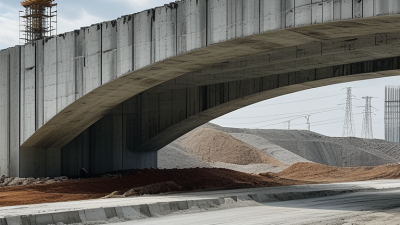
Infrastructure projects use it for bridge decks, tunnel linings, airport pavements, drainage channels, and highway bases.
In rural regions, crews may apply it to small bridges, school buildings, water tanks, and agricultural storage floors. Its controlled composition helps engineers match strength, workability, and curing requirements to local conditions.
Precast factories use ready cement for pipes, beams, paving units, and modular wall panels. Repair teams also place it around damaged columns or worn industrial floors.
Field checks still matter. Workers should verify delivery time, slump, temperature, reinforcement spacing, and curing protection before placement. Weather changes can affect performance, especially in hot, dry, or freezing environments.
Mistakes happen when teams trust the material without checking the site conditions. “Ready” does not mean maintenance-free. Proper vibration, joint planning, and curing remain essential for durable construction.
Selecting ready cement for global construction projects requires more than comparing price per ton. Project engineers should assess compressive strength, setting time, workability, and compatibility with local aggregates. Climate matters too. Hot, dry sites can accelerate water loss and setting. Cold regions may delay curing and increase early-age cracking. Coastal projects require careful attention to chloride exposure. Ask for batch test records, technical data sheets, and independent laboratory results. These documents reveal consistency better than promotional claims. I have seen schedules suffer when cement passed basic tests but failed during long transport. Delivery distance, storage conditions, and sealed packaging should be checked before approval.
Tips: Match the cement grade to the structural design, not habit. Confirm applicable standards in the project country. Request trial batches using actual aggregates and mixing water. Measure slump, temperature, and early strength on site. Keep samples from every delivery. Small records can prevent large disputes. Do not ignore worker feedback; pump operators often notice flow problems before instruments do.
Supply reliability is another important factor. Review production capacity, backup routes, lead times, and emergency communication. A technically excellent material remains risky if deliveries stop at a remote project. Environmental performance should include clinker content, energy use, packaging waste, and verified declarations. Greener claims need evidence. Ask how results were measured. Cost should include rejected loads, downtime, testing, and repairs, not only the invoice. No choice is perfect. Local supply may reduce emissions but limit performance, while imported cement may create scheduling uncertainty. A balanced decision uses test data, site experience, and a written risk review.