What are the Benefits of Concrete Masonry for Your Project?
Concrete masonry is a construction method that continues to gain popularity in various building projects. Experts in the field, such as David Martinez, a renowned architect and masonry specialist, emphasize its numerous advantages. He states, "Concrete masonry is not just strong; it provides sustainable solutions for modern construction."
The benefits of concrete masonry are substantial. First, it offers durability and resistance to weather extremes. Buildings made with concrete masonry can withstand harsh conditions far better than traditional materials. Additionally, concrete masonry is fire resistant, adding an extra layer of safety for occupants.
However, the choice of concrete masonry can raise concerns. Some find it heavier and challenging to work with. Costs may be higher upfront, but the long-term savings on maintenance and energy efficiency can make it worthwhile. It is essential to weigh these aspects carefully before making a decision. Overall, concrete masonry serves as a reliable option that meets the demands of contemporary architecture.
Benefits of Concrete Masonry: An Overview
Concrete masonry offers numerous advantages for construction projects. One significant benefit is durability. According to the Masonry Alliance for Codes and Standards, concrete masonry units (CMUs) can withstand harsh weather conditions and provide longevity. Many structures built with CMUs last over 50 years. This durability reduces the need for frequent repairs, saving time and costs.
Energy efficiency is another key advantage of concrete masonry. Studies by the American Concrete Institute show that buildings made of concrete have better thermal mass. This property allows them to retain heat in winter and stay cool in summer. As a result, energy bills can be reduced by up to 20% when using concrete masonry, making it an economically wise choice for many projects.
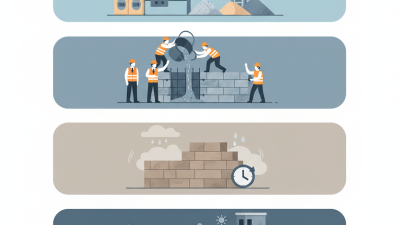
However, it’s important to consider the installation process. Proper techniques are crucial. Inadequate installation can lead to moisture problems or structural weakness. Investing in skilled labor and proper training can ensure that the benefits of concrete masonry are fully realized. Concrete masonry is a viable option for various applications, yet continuous evaluation and training remain essential.
Durability and Longevity of Concrete Masonry Structures
Concrete masonry structures are revered for their remarkable durability and longevity. According to the National Concrete Masonry Association, properly constructed concrete masonry can last over 100 years with minimal maintenance. This longevity stems from the material's inherent resistance to water, pests, and fire. Structures built with concrete masonry typically exhibit excellent weathering characteristics, which contribute to their long service life.
One notable aspect is the energy efficiency of concrete masonry, which plays a role in its durability. A study from the Portland Cement Association highlights that concrete masonry can provide substantial thermal mass, which helps regulate indoor temperatures. This not only enhances occupant comfort but also may reduce energy costs over time. However, it is crucial to consider installation methods. Poor practices can lead to moisture problems that may compromise a structure's integrity.
Moreover, concrete masonry is adaptable to a variety of applications, from residential homes to commercial buildings. While it is a strong choice, every project requires careful planning. Evaluating the specific environmental conditions and intended use can ensure that the benefits are fully realized. Concrete masonry can be a lasting investment, but it demands a knowledgeable approach to reap its full advantages.
Benefits of Concrete Masonry for Your Project
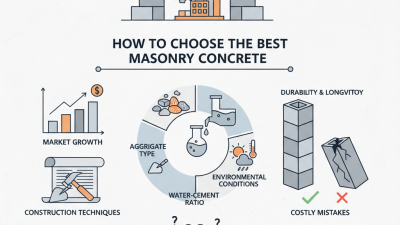
This bar chart illustrates the benefits of concrete masonry, showcasing ratings for durability, energy efficiency, fire resistance, sound insulation, and low maintenance. These factors contribute significantly to the longevity and overall resilience of concrete structures.
Energy Efficiency and Insulation Properties of Concrete Masonry
Concrete masonry offers impressive energy efficiency due to its thermal mass properties. The dense material absorbs heat during the day and releases it slowly at night. This leads to stable indoor temperatures, reducing the need for heating and cooling systems. As a result, energy costs can be significantly lowered. Proper insulation techniques can enhance these benefits.
When considering concrete masonry, think about insulation placement. Placing insulation on the exterior can further improve energy efficiency. It keeps the masonry warm in winter and cool in summer. Additionally, air sealing is crucial. Ensure that gaps and cracks are filled to prevent heat loss. It might not be perfect, as every project has challenges, but aiming for better insulation can yield better results.
Another tip is to use green building techniques. Incorporating sustainable practices in your project can make a difference. Using recycled materials in concrete mixes can reduce environmental impact. Each step counts toward creating a more energy-efficient and eco-friendly building. Reflect on how each choice affects overall performance.
Fire Resistance and Safety Features of Concrete Masonry
Concrete masonry is known for its fire resistance and safety features. In construction, this material provides a robust barrier against flames and heat. Walls made of concrete can withstand high temperatures for extended periods. This characteristic minimizes the risk of a fire spreading throughout a building. An important aspect is insulation. Concrete also helps to contain heat, which is vital during a fire.
When considering concrete masonry, think about its applications in your project. The fire-resistant quality can lead to lower insurance premiums. It often fulfills local safety codes more easily. In high-risk fire areas, choosing concrete can be a wise decision.
Always inspect your concrete masonry regularly. Look for cracks or damage that may compromise its integrity. Additionally, consider teaming up with professionals experienced in this material. Their expertise can help ensure your project meets safety standards. Fire safety is critical, and concrete masonry plays a significant role in that.
Cost-Effectiveness and Economic Benefits of Using Concrete Masonry
Concrete masonry is often favored for its cost-effectiveness. Many studies show that using concrete blocks can lead to lower overall project expenses. According to the "Concrete Masonry Handbook," concrete masonry systems can reduce initial costs by up to 20%. This is due to faster construction and lower labor costs.
Economically, concrete masonry provides long-term savings. Buildings constructed with concrete masonry have a lifespan of 50 years or more. They require less maintenance compared to wood or steel structures. The initial investment pays off through reduced upkeep costs. A report from the National Institute of Standards and Technology indicates that energy-efficient concrete structures can save homeowners an average of 30% on heating and cooling expenses.
Moreover, the thermal mass of concrete enhances energy efficiency. This means buildings stay cooler in summer and warmer in winter. However, builders must consider site location and climate. Not every project will see the same benefits. Evaluating these factors is crucial for maximizing cost savings. Overall, concrete masonry stands out as a reliable choice for many construction projects.