How to Make Cement at Home?

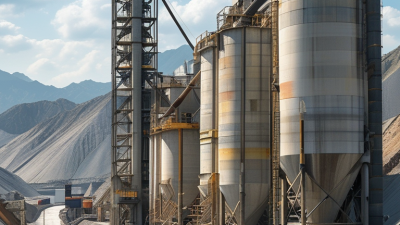
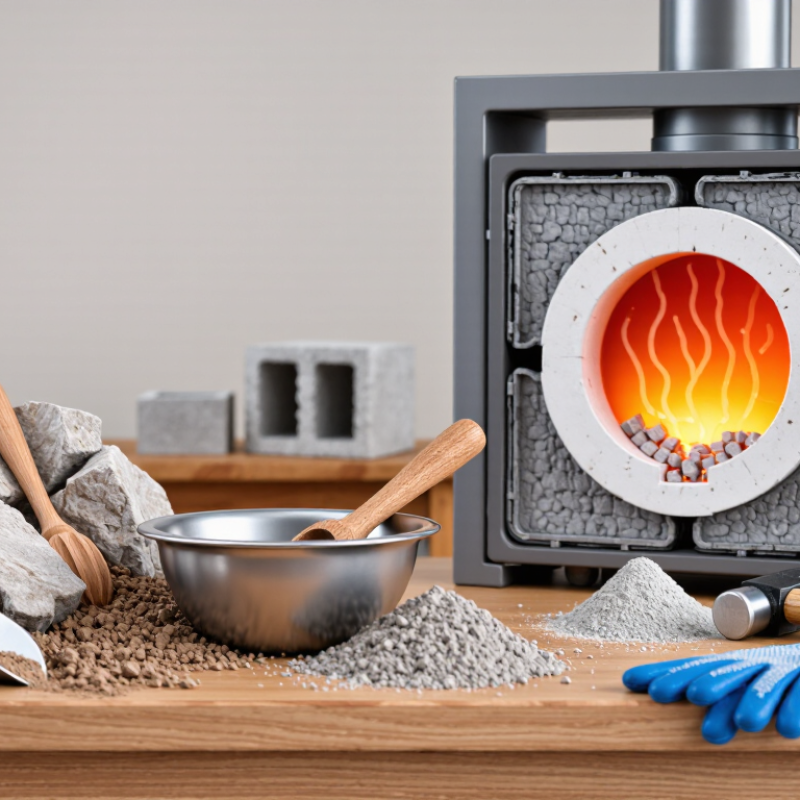
Making cement at home sounds like a simple way to understand what holds bricks and concrete together. The reality is more demanding. Portland cement is made by heating carefully measured mineral materials, commonly limestone and clay, in an industrial kiln. The resulting clinker is ground with a small amount of gypsum. Kiln temperatures reach roughly 1,450°C, far beyond ordinary household equipment. That heat is not a safe or practical target for a home experiment.

The distinction matters. Cement is an ingredient; concrete is a mixture that also contains aggregates and water. People often use the words interchangeably. That is understandable, but it can lead to unreliable project advice. A homemade powder might harden, yet that does not prove it has the strength, consistency, or durability of tested cement. Small details count.

This guide explains what cement contains, why industrial production is controlled, and what a realistic home project can use instead. For repairs or construction, choose a labeled commercial product and follow its instructions. Wear eye protection and gloves, avoid breathing cement dust, and keep wet mixtures off skin. Those precautions are practical, not fussy. If your goal is learning, a small, supervised demonstration with safe, ready-made materials is more sensible than trying to reproduce kiln production. There is room for curiosity, but not for guessing about structural strength.
How to Make Cement at Home?

Understanding Cement and How It Differs from Concrete

Cement is a fine binding powder, not the finished material in a driveway or garden path. Ordinary Portland cement is made by heating limestone and clay in an industrial kiln, then grinding the resulting clinker with a small amount of gypsum. The kiln reaches temperatures far beyond those of household equipment. That matters. Trying to reproduce the process at home is impractical, and cement dust can irritate the eyes and lungs.

Concrete is a mixture of cement, water, sand, and coarse aggregate such as gravel. Cement reacts with water and binds the other ingredients as the mix hardens. Mortar is different: it usually contains cement, water, and sand, without coarse gravel. People often say “cement” when they mean concrete; the terminology is easy to misuse, even in DIY conversations.

For a small home project, use suitable, commercially prepared cement and follow its product directions rather than attempting to manufacture the powder. Measure the water carefully: too much can weaken the hardened mix. Wear eye protection and a suitable dust mask while handling dry material. A little dust looks harmless. It isn’t.

Identifying the Raw Materials Used to Make Cement

Cement begins with minerals, not a bag of ready-made powder. In ordinary Portland cement, limestone supplies calcium; clay or shale contributes silica, alumina, and iron-bearing compounds. USGS’s Mineral Commodity Summaries 2024 identifies limestone, clay, shale, and corrective materials such as silica sand and iron ore among cement feedstocks. Their proportions vary with the chemistry of local deposits, so there is no dependable universal kitchen-scale recipe. Gypsum is added during final grinding to control setting time. Water is used later to make paste, but it is not a cement ingredient. That distinction matters.

The ground raw mix must be heated until it forms clinker, then cooled and finely ground with gypsum. The European Commission’s cement-industry reference document describes clinker burning at roughly 1,450°C, far beyond ordinary household equipment. Not a casual project. The IEA estimated direct cement-sector emissions at about 2.4 billion tonnes of CO₂ in 2022, a reminder that kiln energy and chemistry carry a substantial footprint. It is tempting to call any gray powder that hardens “cement.” That shortcut overlooks strength testing, consistent mineral proportions, and controlled firing; a homemade sample may look convincing yet perform unpredictably.

Preparing Limestone and Clay for Processing

Preparing limestone and clay is less about collecting two materials than making their composition consistent. Choose clean limestone and clay without roots, topsoil, or visible organic matter. Let them dry separately, then crush and sieve them into similarly fine powders. Keep it dry. Fine mineral dust can irritate lungs, so avoid creating airborne clouds and use suitable respiratory protection.

Do not rely on a fixed kitchen-style ratio. Limestone supplies calcium, while clay contributes silica, alumina, and iron; their proportions vary by deposit. The U.S. Geological Survey’s Mineral Commodity Summaries 2024 describes cement raw materials as including limestone and clay or shale, among other sources. A hand-sorted sample can still be chemically uneven. Appearance alone proves little. Industrial producers test raw materials and adjust the blend before kiln processing.

Scale matters. USGS estimated U.S. cement production at about 91 million metric tons in 2023, reflecting tightly controlled industrial operations. The International Energy Agency’s 2023 cement-sector analysis also highlights the industry’s substantial energy and emissions challenges. Preparing a small sample can demonstrate sorting and grinding, but it does not make cement; producing clinker requires specialized, very high-temperature kiln processing. A backyard batch should not be treated as a reliable building material.

Understanding Clinker Formation and the Risks of High-Heat Kilns

How to Make Cement at Home? Understanding Clinker Formation and the Risks of High-Heat Kilns

Cement’s key ingredient, clinker, forms when limestone and other minerals react inside a kiln at roughly 1,450°C. The heat drives chemical changes that ordinary fires cannot reliably reproduce. It also creates serious burn, fire, and inhalation hazards. That heat is unforgiving. The International Energy Agency’s Cement report notes that cement production contributes about 7% of global carbon dioxide emissions, reflecting the energy demand and process emissions involved. A small batch may look manageable, but that impression is misleading.

Industrial kilns control temperature, airflow, fuel, and dust capture. A home-built high-heat kiln lacks these safeguards and can expose people nearby to extreme heat, unstable structures, and harmful dust. The clinker may also be unevenly reacted, so the resulting cement could set unpredictably or fail under load. That last point matters: appearance is not a test of strength. I would not treat homemade material as suitable for construction, even if it seems hard.

Tips: Keep the goal educational, not structural. Study clinker diagrams, or compare certified cement data sheets instead. If you observe industrial production, follow site safety rules and stay outside restricted areas. An imperfect batch can teach chemistry; it cannot prove safety.

Grinding and Storing Cement Safely

Cement production involves heating limestone and other materials to very high temperatures, then grinding the resulting clinker. That process is difficult to reproduce safely at home. Grinding clinker can release fine, irritating dust, and ordinary household tools may not contain it. A safer approach is to avoid home grinding and handle only a small amount of ready-made cement powder.

If you must handle dry cement, work outdoors or in a well-ventilated, separated workspace. Wear sealed safety goggles, gloves, long sleeves, and a properly fitted particulate respirator. Keep children and pets away. Dust travels. Do not sweep it dry or blow it with compressed air; use careful cleanup methods that limit airborne dust. Cement can seriously irritate eyes and skin. Wash exposed skin promptly, and seek medical advice after eye exposure. I once underestimated how far a small spill could spread.

Store cement in its original, tightly closed bag, inside a dry container, raised off the floor. Keep it away from rain, damp walls, and sinks. Label the container and keep it out of reach of children. Check for hard lumps before use; moisture can make cement set, and hardened material should not be ground back into powder. Keep it dry.

How to Make Cement at Home? - Grinding and Storing Cement Safely

Safety note: Cement is manufactured by processing raw materials at high temperatures and grinding the resulting clinker. This is not a suitable home process. For home projects, use commercially produced cement and follow its product label and Safety Data Sheet (SDS).

Task or factor What to know Safer practice
Cement versus concrete Cement is a powdered binder. Concrete is made by combining cement with aggregates and water. Use a suitable packaged cement product and follow the project instructions; do not treat homemade ground rock or ash as equivalent to cement.
Grinding cement or clinker Grinding can release fine airborne dust. Cement clinker production also requires controlled, high-temperature industrial equipment. Do not attempt to manufacture or grind clinker at home. Avoid crushing or sanding cement products; use purpose-made materials instead.
Dust control Cement dust can irritate the eyes and respiratory system. Some cement-related dust may contain respirable crystalline silica. Work outdoors or with effective ventilation. Minimize dust, keep materials low when pouring, and use a suitable HEPA-filtered vacuum or damp cleanup. Do not dry sweep or use compressed air.
Personal protection Wet cement is alkaline and can cause skin irritation or chemical burns; splashes can injure eyes. Wear safety goggles, alkali-resistant waterproof gloves, long sleeves, long trousers, and closed footwear. For respiratory protection, follow the SDS and applicable local requirements; a respirator must be appropriate for the hazard and properly fitted.
Skin or eye contact Cement may cause harm even when discomfort is delayed, especially if wet material is trapped against skin. Remove contaminated clothing and rinse skin promptly with plenty of clean water. Flush eyes with clean water and seek medical advice. Follow the SDS for exposure instructions.
Storage conditions Moisture can cause cement powder to harden or lose performance before use. Keep it sealed in its original moisture-resistant packaging in a dry, covered place, raised off the floor and protected from leaks and damp air.
Checking stored cement Storage life depends on packaging, conditions, and the product. Lumps can indicate moisture exposure. Follow the package date and guidance. Use older stock first, and do not use material that is damp, hardened, or otherwise outside the product instructions.
Cleanup and disposal Dry powder can become airborne; cement wash water can be highly alkaline. Clean tools before residue hardens while preventing splashes and runoff. Do not wash cement slurry into storm drains or waterways; follow local disposal rules.
The owner of this website has made a commitment to accessibility and inclusion, please report any problems that you encounter using the contact form on this website. This site uses the WP ADA Compliance Check plugin to enhance accessibility.