Global buyers are reassessing ready cement as construction demand, carbon targets, and supply risks reshape purchasing decisions. The best option is rarely the cheapest bag or the fastest shipment. It must match local aggregates, weather, equipment, curing practices, and project specifications.
Pierre-Claude Aïtcin, a respected concrete technology researcher, observed, “Concrete is a material that is both simple and complex.” That caution matters. Ordinary Portland cement remains widely trusted for general structural work. Blended cement, including slag and fly-ash varieties, can reduce embodied carbon and improve long-term durability. Limestone calcined clay cement is gaining attention where suitable raw materials and technical support exist. Rapid-hardening and sulfate-resistant types serve more demanding schedules and aggressive environments.
Performance comes first.
This guide examines the 2026 ready cement types most relevant to international buyers. It considers strength development, setting time, storage stability, emissions, certification, and total delivered cost. A product may perform well in a laboratory but disappoint after weeks in a humid container. That detail is easy to overlook. Buyers should request recent test reports, factory quality records, applicable standards, and verified shipment conditions. Independent laboratory checks can reveal differences between a specification sheet and actual batches.
The market is changing quickly, but not every “green” claim is equally meaningful. Some comparisons remain incomplete because regional data is inconsistent. This article therefore treats sustainability as a measured performance issue, not a marketing label. Real projects, local expertise, and transparent evidence should guide the final choice.
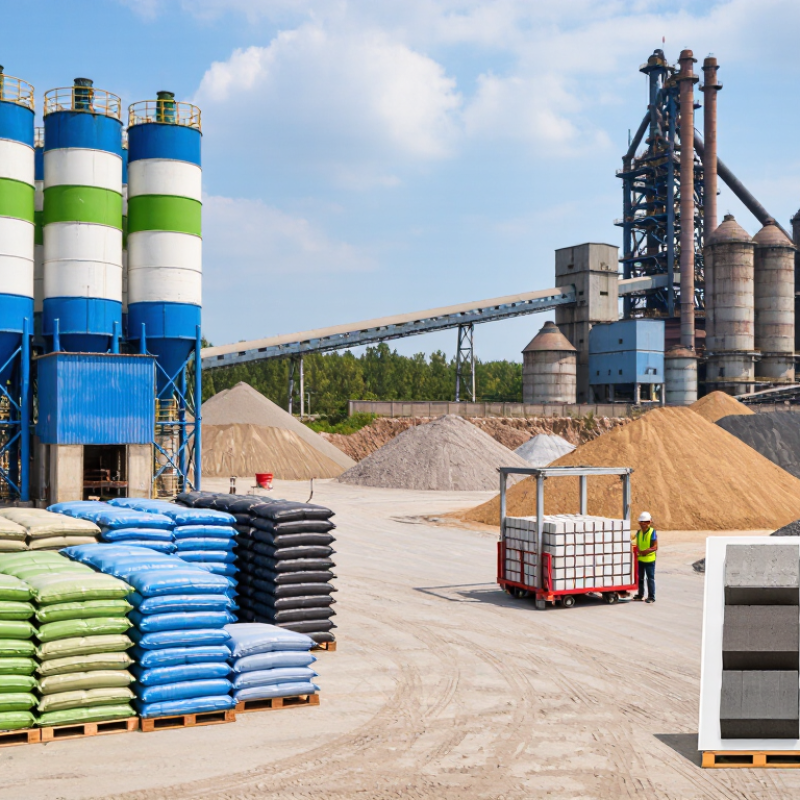
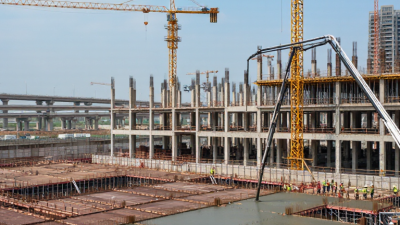
In 2026, “ready cement” remains a practical buying term, not a single international product category. In many markets, it describes ready-mix concrete delivered wet to a construction site. Elsewhere, sellers use it for dry, pre-blended cementitious material packed in bags or bulk silos. The distinction matters because cement is the binder, while concrete also contains water, sand, and coarse aggregate. A purchasing team should confirm the product definition before comparing prices. The label is still imperfect.
For global buyers, the scope should include composition, application, delivery condition, and required performance. Common categories include general-purpose mixes for slabs and foundations, rapid-setting mixes for urgent repairs, high-strength mixes for heavily loaded structures, and low-permeability mixes for wet or coastal environments. Some suppliers also offer fiber-reinforced or supplementary-cementitious formulations. Each type needs measurable data, such as strength at 28 days, setting time, workability, density, and chloride resistance. These figures are more useful than broad claims like “premium” or “advanced.”
Site experience shows that transport time can change performance. A mix leaving the plant at 8:00 a.m. may arrive warm, stiff, or outside its workable window. Buyers should review batch traceability, storage limits, test certificates, local standards, and climate conditions. Independent laboratory checks are sensible for large projects. Small orders may rely on supplier documentation, but that choice deserves caution. A universal product claim deserves scrutiny because aggregate quality, water content, and placement methods vary widely.
Global buyers usually encounter two meanings of ready cement: factory-packed cement powder and ready-mix concrete. Each option suits different construction schedules, equipment, and delivery distances.
Ordinary Portland cement remains widely selected for foundations, columns, slabs, and general building work. It offers familiar performance and broad technical support across many markets.
Rapid-hardening cement helps projects needing early strength, such as repairs, precast components, and traffic-area maintenance.
Sulfate-resistant cement is more suitable for coastal soil, wastewater structures, and foundations exposed to aggressive ground conditions.
Low-heat cement supports large pours, including dams and thick foundation blocks, where internal temperature can create cracking risks.
White cement serves architectural surfaces, terrazzo, and decorative concrete. It needs careful control of storage and mixing.
Ready-mix concrete provides another practical category.
Buyers can request standard grades, high-strength mixes, fiber-reinforced concrete, or weather-resistant formulations. Batch consistency is usually better than manual mixing, but transport time matters. Fresh concrete may lose workability during long journeys.
Moisture changes everything. Buyers should verify cement composition, strength results, setting time, packaging integrity, and applicable local standards before ordering.
Factory certificates are useful, but independent sampling offers stronger confidence. No type is universally best. A low-cost choice may create higher labor, repair, or transport costs later.
Local climate, project exposure, and site equipment deserve equal attention.
What Are the 2026 Top Ready Cement Types for Global Buyers?
In 2026, global buyers are comparing cement by performance, not only by grade.
Ordinary Portland cement
Ordinary Portland cement offers dependable early strength for columns, slabs, roads, and general building work. It suits projects needing predictable curing schedules.
Rapid-hardening cement reaches useful strength sooner. Contractors often select it for repair work, precast units, and busy urban roads. The trade-off is higher heat development. Thick sections may crack without careful temperature control.
Blended cement
Blended cement can contain slag, fly ash, or other approved mineral additions. It usually lowers heat generation and improves long-term durability. This makes it practical for foundations, marine structures, and large concrete pours.
Its early strength may develop more slowly, especially in cold weather. That delay is easy to underestimate.
Low-heat cement
Low-heat cement is better suited to dams, retaining walls, and massive footings.
Sulfate-resistant cement
Sulfate-resistant cement protects concrete in saline soil or groundwater. Buyers should still confirm exposure levels through laboratory testing.
White cement
White cement supports decorative façades, terrazzo floors, tiles, and architectural panels. It provides a clean base for controlled pigments and visible finishes.
Masonry cement
Masonry cement improves workability for brickwork and block walls. It is not a direct replacement for structural concrete cement.
Field experience shows that storage conditions matter greatly. Damp warehouses can damage even well-tested material. Buyers should request current test reports, check local standards, and verify setting time under site conditions. Some specifications look excellent on paper but perform differently after long-distance shipping.
What Are the 2026 Top Ready Cement Types for Global Buyers?
Global buyers increasingly compare ordinary Portland cement with limestone-blended, slag-blended, and pozzolanic cement. These types support different strength, setting, and durability needs. Portland limestone cement suits general construction and often reduces clinker content. Slag and pozzolanic blends perform well in marine structures, foundations, and humid climates. However, early strength can develop more slowly. That matters on tight construction schedules.
Quality begins with verifiable standards. Buyers should request test results under EN 197-1, ASTM C150, or ASTM C595, depending on the destination market. Check compressive strength at 2, 7, and 28 days. Also review setting time, chloride content, sulfate resistance, and batch consistency. The International Energy Agency reported that cement production creates about 7% of global energy-related and process CO2 emissions. Lower-clinker cement can reduce emissions, but only when local materials remain consistent. A lower carbon claim without a product-specific assessment is weak evidence. I have seen specifications look excellent on paper, then fail during humid storage.
Tips: Ask for a recent certificate of analysis, not a generic brochure. Confirm packaging dates and moisture protection. Compare product data with independent laboratory results. Calculate delivered cost, including port handling, inland transport, and possible delays.
Supply planning deserves equal attention. The Global Cement and Concrete Association’s 2050 roadmap highlights efficiency, alternative materials, and carbon reduction across the value chain. Buyers should examine monthly capacity, loading ports, backup routes, and storage conditions. A technically suitable cement becomes impractical when containers wait under rain or shipments arrive unevenly. Sustainability is important, but reliable performance still comes first.
| Cement Type | Common Standard References | Typical Performance Profile | Sustainability Considerations | Best-Fit Applications | Supply and Purchasing Considerations |
|---|---|---|---|---|---|
| Ordinary Portland Cement (OPC) | ASTM C150 Type I; EN 197-1 CEM I | Reliable early strength, broad compatibility with admixtures, and widely established quality-control procedures. | Generally has a higher clinker content and therefore higher process emissions than blended alternatives. | General construction, precast products, structural concrete, and projects requiring predictable early strength. | Usually the easiest type to source globally; verify local strength class, setting behavior, certificates, and storage conditions. |
| Portland-Limestone Cement (PLC) | ASTM C595 Type IL; EN 197-1 CEM II/A-L or CEM II/B-L | Comparable general-purpose performance when properly formulated; strength development may differ from OPC at early ages. | Reduced clinker content can lower embodied carbon compared with equivalent OPC, depending on limestone content and production efficiency. | Buildings, pavements, foundations, precast elements, and routine ready-mix concrete. | Check limestone percentage, fineness, durability data, and local acceptance under project specifications. |
| Slag-Blended Cement | ASTM C595 Type IS; ASTM C989 for ground granulated blast-furnace slag; EN 197-1 CEM III | Lower heat evolution, improved resistance to chloride ingress, and slower early-age strength development in many mixes. | Uses a supplementary cementitious material and can reduce clinker demand; environmental benefit depends on slag availability and allocation rules. | Marine structures, mass concrete, wastewater facilities, foundations, and chloride-exposed infrastructure. | Regional availability can be limited; confirm slag grade, replacement level, lead time, and seasonal strength development. |
| Fly-Ash-Blended Cement | ASTM C595 Type IP; ASTM C618 for coal fly ash; EN 197-1 CEM II/A-V or CEM II/B-V | Often improves later-age strength and workability, while early strength and setting may be slower at higher replacement levels. | Can reduce clinker use and reuse an industrial by-product; future supply may be affected by the transition from coal-fired power generation. | General structural concrete, pavements, dams, and applications requiring improved long-term durability. | Evaluate source consistency, loss on ignition, fineness, alkali content, and long-term availability before signing multi-year contracts. |
| Natural Pozzolan-Blended Cement | ASTM C595 Type IP; ASTM C618 Class N; EN 197-1 CEM II/A-P or CEM II/B-P | May provide good later-age strength and reduced permeability; performance depends strongly on mineralogy and processing. | Can reduce clinker demand where suitable volcanic ash or other natural pozzolan is locally available. | Durable concrete, infrastructure in volcanic regions, and projects prioritizing regional raw materials. | Test reactivity, moisture, fineness, and chemical composition; local deposits may not support consistent international supply. |
| Calcined-Clay Blended Cement | EN 197-5; relevant performance requirements under applicable national cement standards | Can deliver strong pozzolanic reactivity and refined pore structure when clay quality and calcination are well controlled. | Potentially lowers clinker-related emissions and can use widely available kaolinitic clays; benefits depend on kiln energy and transport distance. | Low-carbon buildings, infrastructure, and markets with suitable clay resources and production capacity. | Supply is developing in many regions; require pilot trials, compatibility testing, and confirmation of standard approval. |
| Low-Heat Cement | ASTM C150 Type IV; EN 197-1 low-heat performance requirements where applicable | Lower heat of hydration helps reduce thermal cracking in large pours; early strength can be slower than standard OPC. | May improve durability and reduce repair demand, although the clinker and energy profile varies by formulation. | Dams, thick foundations, raft slabs, bridge substructures, and other mass-concrete placements. | Often a specialty product; confirm production schedules, minimum order quantities, thermal modeling data, and delivery distance. |
| Sulfate-Resisting Cement | ASTM C150 Type V; EN 197-1 sulfate-resistance designations where applicable | Designed to improve resistance to external sulfate attack when used with suitable mix design and exposure controls. | Durability benefits can extend service life; total environmental impact depends on clinker composition, transport, and required replacement frequency. | Foundations in sulfate-bearing soils, sewage facilities, coastal works, and selected groundwater exposures. | Do not select by cement type alone; require a site sulfate assessment, permeability control, curing plan, and applicable exposure classification. |
| Rapid-Hardening Cement | ASTM C150 Type III; applicable national rapid-strength cement specifications | High early strength supports faster formwork removal and shorter traffic or production shutdowns. | May increase energy demand or clinker intensity; environmental value can come from reduced project downtime and earlier service availability. | Emergency repairs, precast manufacturing, cold-weather work, and accelerated construction schedules. | Requires careful control of temperature, water content, admixture compatibility, and setting time during long-distance transport. |
| Buyer checklist: Confirm the applicable national standard, declared strength class, third-party test certificates, product carbon data or Environmental Product Declaration where available, supplementary cementitious material content, sulfate and chloride exposure requirements, storage conditions, shelf life, minimum order quantity, delivery route, and batch-to-batch quality controls. Performance and embodied-carbon figures vary by formulation, plant, raw materials, electricity mix, and transport distance. | |||||
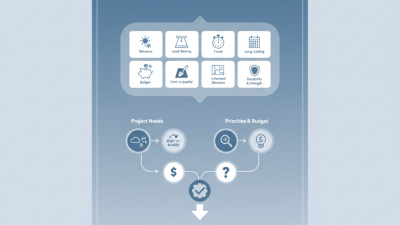
Global buyers comparing ready cement should start with project conditions, not catalog rankings. General-purpose cement suits routine foundations, slabs, and masonry. Rapid-hardening cement can reduce waiting time, but it may require stricter temperature control. Low-heat cement fits large pours where internal temperature must remain manageable. Sulfate-resistant cement is more suitable for aggressive soils or groundwater. White cement serves architectural surfaces, but color consistency needs careful checking.
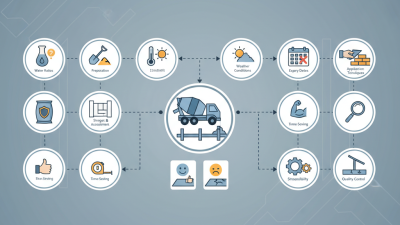
Selection depends on more than cement type. Ask for the technical data sheet, batch test results, production date, and applicable conformity certificates. Compare strength development at seven and twenty-eight days, setting time, fineness, chloride content, and storage requirements. A buyer should also check local aggregates, mixing water, climate, and placement methods. A product performing well in a dry warehouse may behave differently during humid sea transport. I have seen purchasing teams focus on price and overlook moisture damage. That mistake can affect an entire shipment.
Tips: Request independent laboratory verification when the order is substantial. Test a small batch before full-scale purchasing. Confirm whether bags need pallets, waterproof wrapping, or controlled ventilation. Check the supplier’s experience with similar climates and construction schedules. Keep communication records, especially when specifications change. No comparison is perfect. Some test data may be incomplete, and that should be treated as a decision risk, not quietly ignored. Also, do not select rapid-hardening cement only because deadlines feel urgent; labor skills and curing conditions still control the final result.