Planet
Top 10 Types of Home Cement for Global Buyers
Cement is the binder behind many familiar home projects, from a garden path to a repaired wall. Yet “cement” is not the same as concrete: concrete combines cement with aggregates and water. That distinction is easy to miss when comparing product labels. No single bag suits every job.
This guide introduces ten types of home cement that global buyers may encounter, including ordinary Portland, blended, masonry, white, rapid-hardening, low-heat, and sulfate-resistant options. Each has different strengths, handling needs, and suitable applications. A fast-setting product can help with urgent repairs, while a blended cement may serve general construction needs. Actual performance depends on the formulation, local materials, workmanship, and curing conditions.
For a fair comparison, buyers should look beyond price and product names. Check the technical data sheet, intended use, strength class, setting time, storage guidance, and applicable regional standards. Ask suppliers how products perform in local climates and whether the packaging protects cement from moisture. A damp bag can be a warning sign. Product labels and terminology also vary between markets, so confirm details before ordering. This overview offers a practical starting point, not a substitute for project specifications or advice from a qualified building professional. Even experienced buyers can overlook small differences. A careful check can prevent costly mismatches and help match the right cement to the work.
Understanding Home Cement and Its Role in Residential Construction
Understanding Home Cement and Its Role in Residential Construction
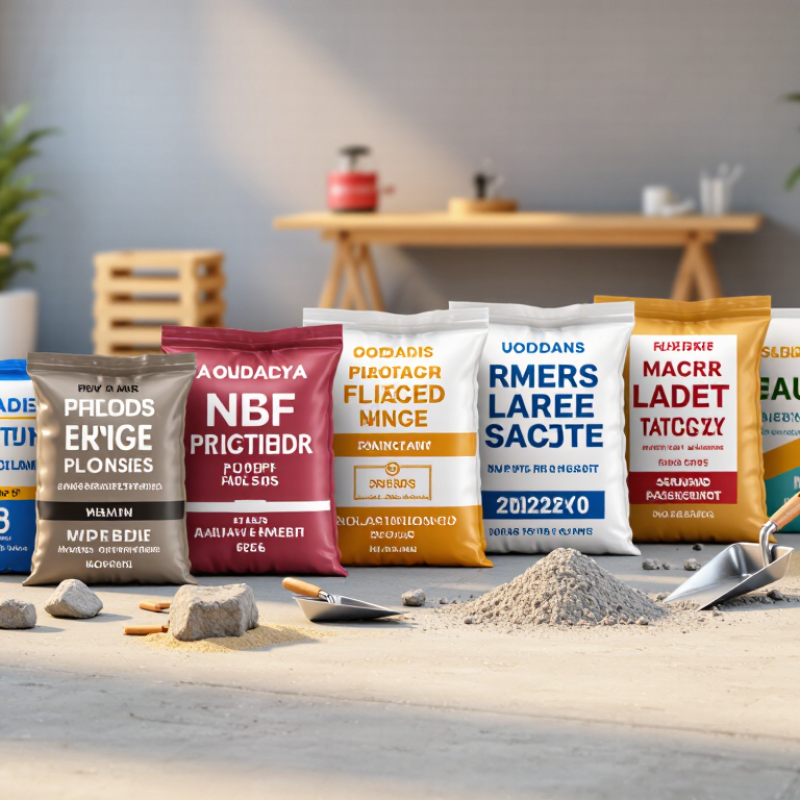
Cement is the binding ingredient in many home-building materials, including concrete, mortar, and grout. It reacts with water and helps these mixtures harden around sand or stone. The result supports foundations, joins masonry, or fills gaps between tiles. Cement is not the whole structure, though. Mix proportions, curing, and workmanship all affect performance.
Different tasks call for different cement properties. A foundation may need concrete suited to its design and local ground conditions. Brick walls usually rely on mortar that bonds units while allowing practical placement. For a small repair, a pre-measured mix can reduce guesswork, but it still needs clean water and careful handling. Small details matter. A dry, sheltered storage area helps prevent bags from absorbing moisture before use.
For buyers, the useful question is not simply which cement is strongest. It is whether the product matches the intended application, project specifications, and expected exposure to moisture or temperature changes. Check the technical data sheet and follow the mix and curing instructions. A shiny, smooth surface can look convincing, yet appearance alone cannot confirm strength. I have to admit, this is easy to overlook on a busy job site. Ask a qualified construction professional when structural requirements are unclear, because a general guide cannot replace a project-specific assessment.
Top 10 Types of Home Cement for Global Buyers - Understanding Home Cement and Its Role in Residential Construction
| Cement type | Typical composition or classification | Common residential uses | Potential advantages | Buyer considerations |
|---|---|---|---|---|
| 1. Ordinary Portland Cement (OPC), Type I | General-purpose Portland cement; exact specifications depend on the applicable national standard. | Foundations, floors, slabs, walls, and general-purpose concrete where no special exposure requirements apply. | Widely used and suitable for many routine building applications. | Check local standards and project specifications; it is not automatically suitable for every soil or exposure condition. |
| 2. Moderate-Sulfate-Resistant Portland Cement, Type II | Portland cement formulated to provide moderate sulfate resistance; some specifications also address heat of hydration. | Concrete in foundations or other elements exposed to moderately sulfate-bearing soil or water, when specified by the engineer. | Can be a suitable option for certain moderate sulfate exposure conditions. | Confirm the measured exposure level and applicable standard; it is not a substitute for a mix designed for severe sulfate exposure. |
| 3. High-Early-Strength Portland Cement, Type III | Portland cement that develops strength more rapidly than general-purpose cement under comparable conditions. | Projects needing earlier form removal, faster construction cycles, or earlier access, subject to the concrete design. | Can help achieve higher early-age strength when curing and mix design are properly controlled. | Faster strength development can increase heat generation; follow curing guidance and the structural designer’s requirements. |
| 4. Low-Heat Portland Cement, Type IV | Portland cement designed to generate less heat during hydration than ordinary cement; availability varies by market. | Large or thick concrete placements where temperature rise and thermal cracking need careful control. | May help manage heat-related temperature differences in suitably designed mass concrete. | Usually unnecessary for ordinary small residential pours; verify local availability and obtain engineering advice. |
| 5. High-Sulfate-Resistance Portland Cement, Type V | Portland cement specified for high sulfate resistance under the relevant standard. | Foundations and concrete exposed to severe sulfate-bearing soil or water when required by site testing and design. | Designed for conditions where sulfate attack is a concern. | Use only when the exposure assessment and project specification call for it; durability also depends on concrete mix, placement, and curing. |
| 6. Portland-Limestone Cement (PLC), Type IL | Portland cement blended with a specified proportion of limestone; classified as Type IL in ASTM C595. | General concrete applications such as residential slabs, foundations, and driveways where permitted by local codes. | Can reduce cement’s embodied carbon compared with conventional Portland cement, depending on the product and production data. | Check local acceptance, specification requirements, and the supplier’s product data; performance depends on the complete concrete mix. |
| 7. Portland-Slag Cement, Type IS | Portland cement blended with granulated blast-furnace slag; ASTM C595 identifies this family as Type IS. | Concrete for foundations, floors, and other applications where the specified blend and performance are suitable. | May improve resistance to some forms of chemical exposure and can lower embodied carbon, depending on the blend and materials. | Early strength development and curing needs vary with slag content, temperature, and mix design; confirm project requirements. |
| 8. Portland-Pozzolan Cement, Type IP | Portland cement blended with a pozzolanic material; ASTM C595 identifies this family as Type IP. | General concrete work where the cement meets the project specification, including some foundation and slab applications. | Pozzolanic blends can improve later-age properties and may reduce permeability when properly proportioned and cured. | Strength development can be slower in some conditions; allow for suitable curing and verify performance against the local standard. |
| 9. Masonry Cement | A formulated cementitious product intended for masonry mortar; it may contain Portland cement, limestone, and other permitted constituents. | Mortar for laying brick, concrete masonry units, or stone where allowed by the applicable masonry specification. | Designed to provide workable mortar for masonry construction. | Not intended as a direct replacement for concrete-making cement in structural slabs, beams, or foundations; follow mortar specifications. |
| 10. White Portland Cement | Portland cement manufactured with tightly controlled raw materials to achieve a light color while meeting its applicable standard. | Architectural concrete, light-colored mortar, terrazzo, and decorative residential finishes. | Provides a light base color for decorative work and can be combined with suitable pigments. | Often chosen for appearance rather than routine structural needs; confirm strength class, compatibility, and color consistency. |
Note: Cement names and classifications vary by country and standard. Confirm local code acceptance, exposure conditions, product certification, and the project engineer’s specifications before selecting a cement.
Related Posts
-
How to Make Cement at Home?
-
Why Is Home Cement Important for Construction?
-
China Top 10 Cement Suppliers for Global Buyers
-
How to Source Quality Cement Suppliers for Your Projects?
-

2026 Best Cement People in the Industry Who Are Leading the Way?
-

Top 5 Benefits of Cement People for Your Construction Projects